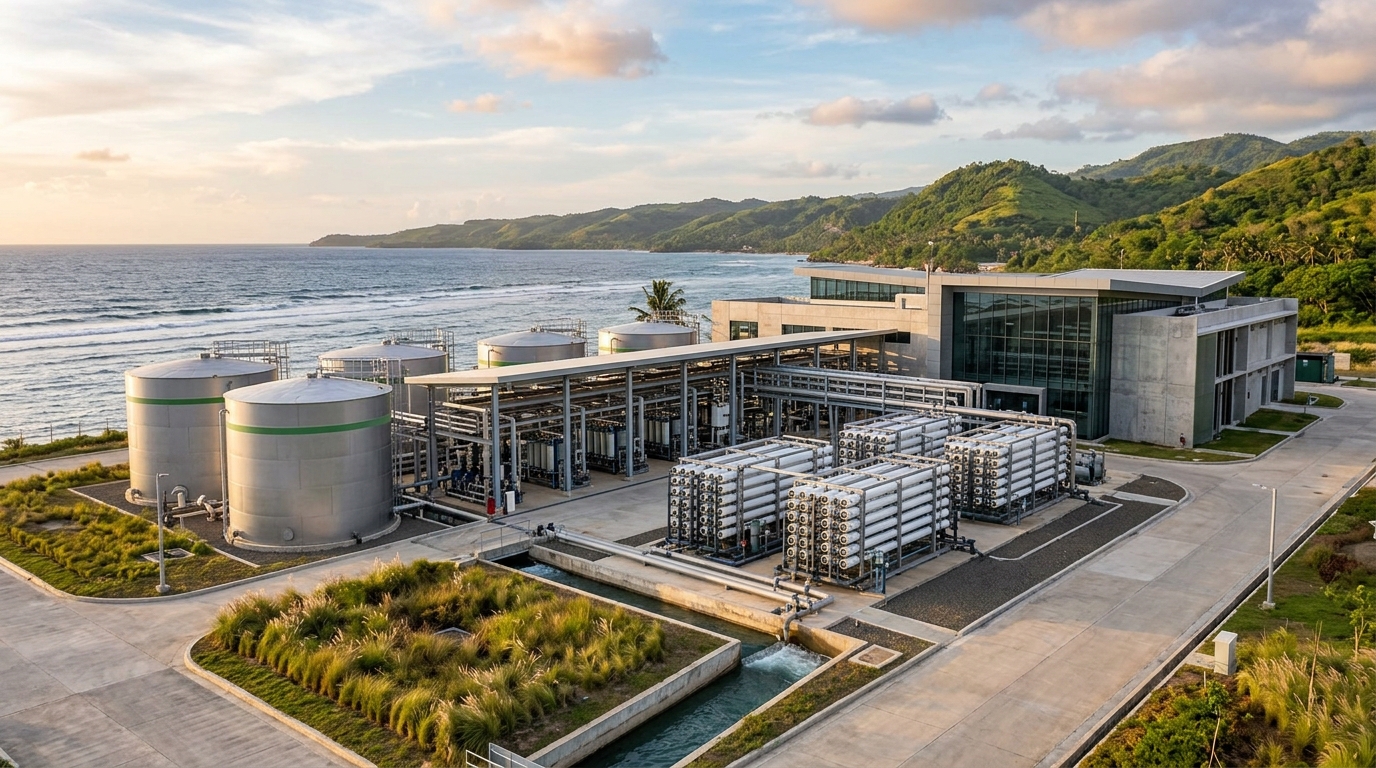
Cebu — The city has unveiled a cost-efficient desalination plant, marking a significant advancement in the local effort to secure sustainable water sources. By converting brackish water into potable supply, the city is addressing the ongoing challenge of water scarcity caused by saltwater intrusion and fluctuating weather patterns. This project stands as a practical solution to ensure that residents and businesses have reliable access to clean water throughout the year. It represents a shift toward more resilient urban planning that leverages technology to mitigate environmental limitations.
Technological Breakthrough in Water Management
The new desalinator employs advanced filtration techniques to effectively remove salinity from groundwater sources that were previously deemed unsuitable for widespread use. This process is engineered to be highly energy-efficient, lowering operational costs and making the technology a viable long-term solution for the city. By tapping into these unconventional water sources, the administration aims to diversify the local supply and lessen dependence on traditional deep wells. This innovation is expected to play a critical role in stabilizing the water table in heavily populated districts.
Securing a Reliable Future for Cebuanos
As the city continues to see rapid growth, the pressure on existing water infrastructure has become a primary concern for planners and the local government. This initiative provides a necessary buffer, ensuring that the increasing demands of households and industries can be met without compromising the overall system’s stability. The project has been lauded for its foresight, as it directly addresses one of the most pressing concerns for urban development in the region. By securing a steady water supply, the city creates a more stable environment for both daily life and sustained economic productivity.
A Model for Regional Resilience
Other municipalities across the province are closely watching the performance of this pilot project to determine if similar systems can be adopted elsewhere. The success of the Cebu City initiative could pave the way for a broader regional strategy focused on water independence and climate resilience. It serves as a prime example of how local government units can proactively address environmental challenges through scientific inquiry and investment in modern infrastructure. As the city refines the technology, it remains committed to scaling the program to reach more barangays in the coming years.
No people