Protect Your Breathing When Haze Gets Thicker
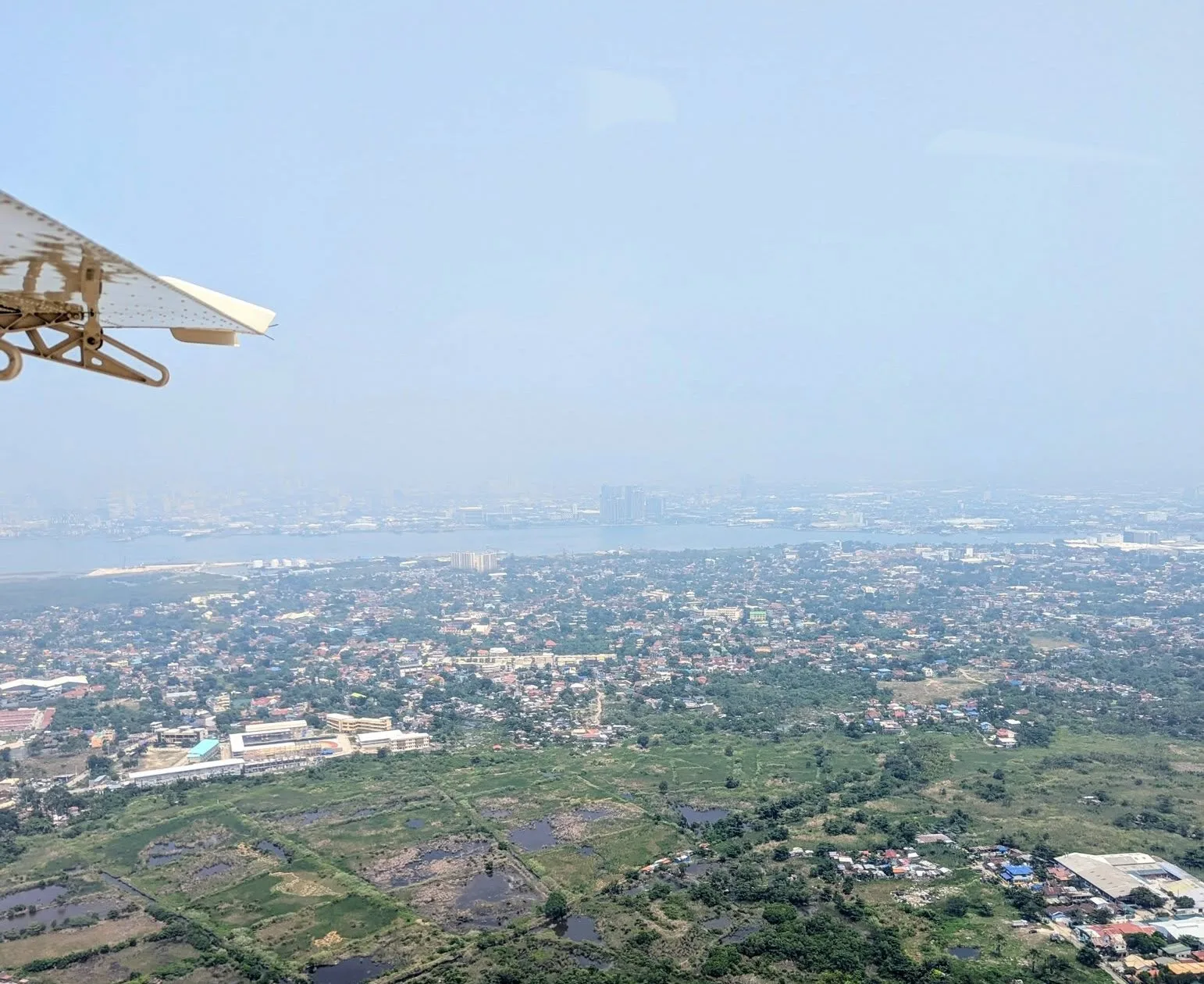
BOHOL - Haze has continued to affect parts of Bohol, prompting residents to take extra precautions when spending time outdoors. On September 18, the Tagbilaran City Disaster Risk Reduction and Management Office recorded a PM2.5 level of 70.6 at 9:07 p.m., which was reported as being in the “Unhealthy” air-quality category. With visible haze also reported over areas such as Panglao Island, residents can reduce exposure by limiting unnecessary outdoor activities, particularly when the air appears visibly smoky or hazy. Children, older adults, pregnant individuals, and people with existing heart or respiratory conditions should take extra care and spend less time outdoors when air quality is poor.
Use the Right Protection When Going Outside
When outdoor travel is necessary, wearing a well-fitted N95 or equivalent particulate mask can provide added protection against airborne particles. Residents should make sure the mask fits properly around the nose and mouth rather than leaving gaps where polluted air can enter. The Department of Health in Central Visayas has also advised people to avoid strenuous outdoor activities when air quality is unhealthy, since heavier breathing can increase exposure to polluted air. For residents traveling between Tagbilaran, Panglao, Dauis, or other municipalities, checking official air-quality and local government advisories before leaving home can help them decide whether outdoor activities should be shortened or postponed.
Keep Indoor Air Cleaner and Watch for Symptoms
Reducing haze exposure also means keeping indoor spaces as protected as possible while outdoor air quality is poor. When conditions warrant it, residents can keep windows and doors closed and use properly maintained air-conditioning or air-filtration systems where available. Staying hydrated and avoiding additional sources of indoor pollution, such as smoking or burning garbage, can also help reduce irritation. The Department of Health has identified symptoms associated with haze exposure that may include coughing, difficulty breathing, watery eyes, and throat irritation. Anyone experiencing significant or worsening breathing problems should seek medical attention, especially if they belong to a higher-risk group. Following advisories from the Bohol provincial government, local disaster offices, DENR-EMB, and health authorities remains important while haze conditions continue.