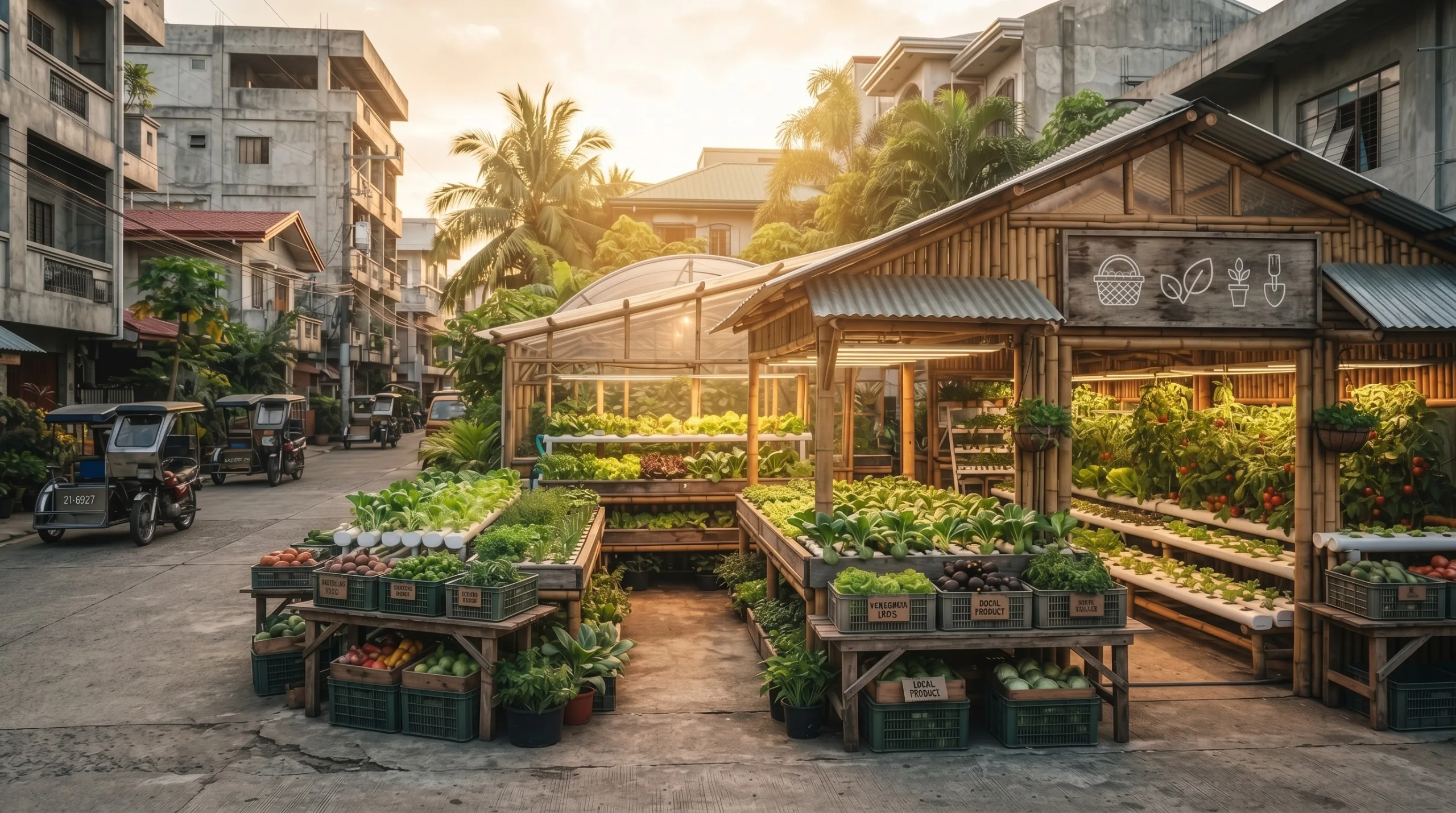
From Farms in Bohol to Everyday Markets
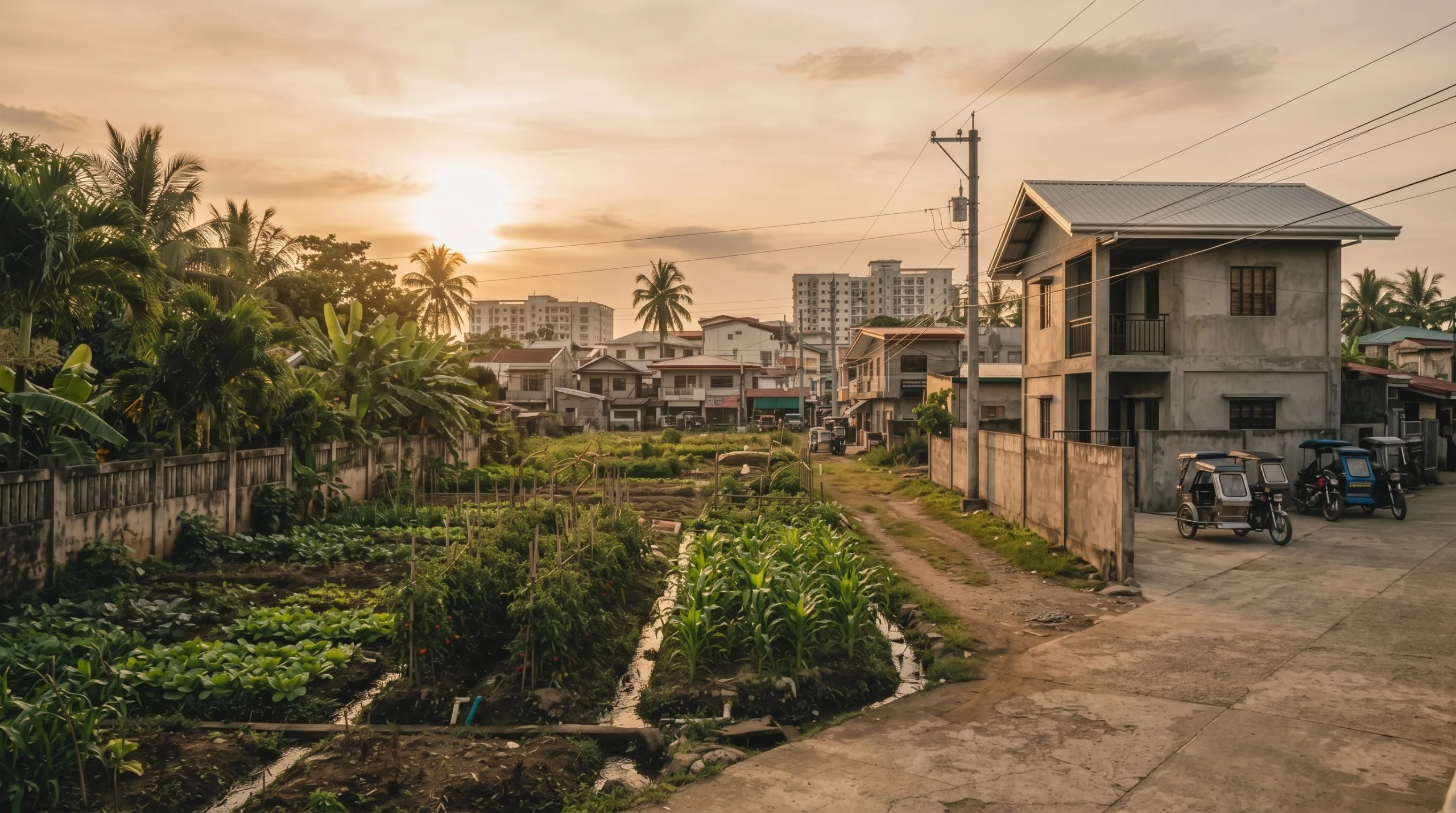
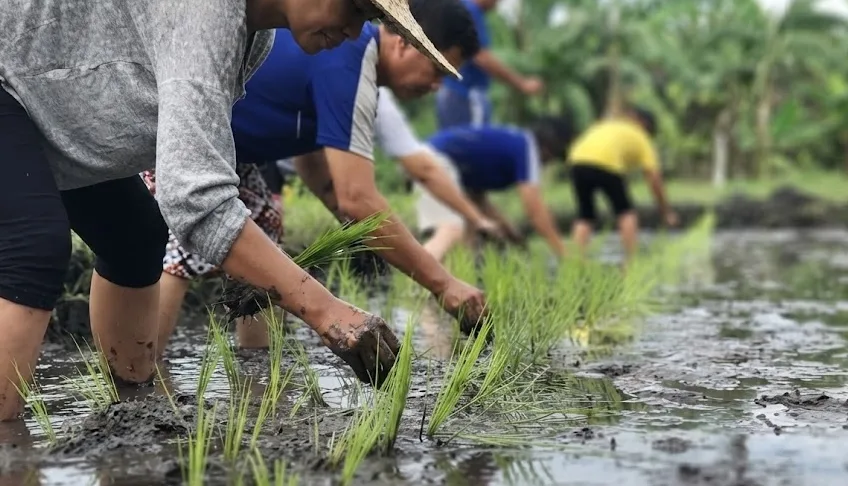
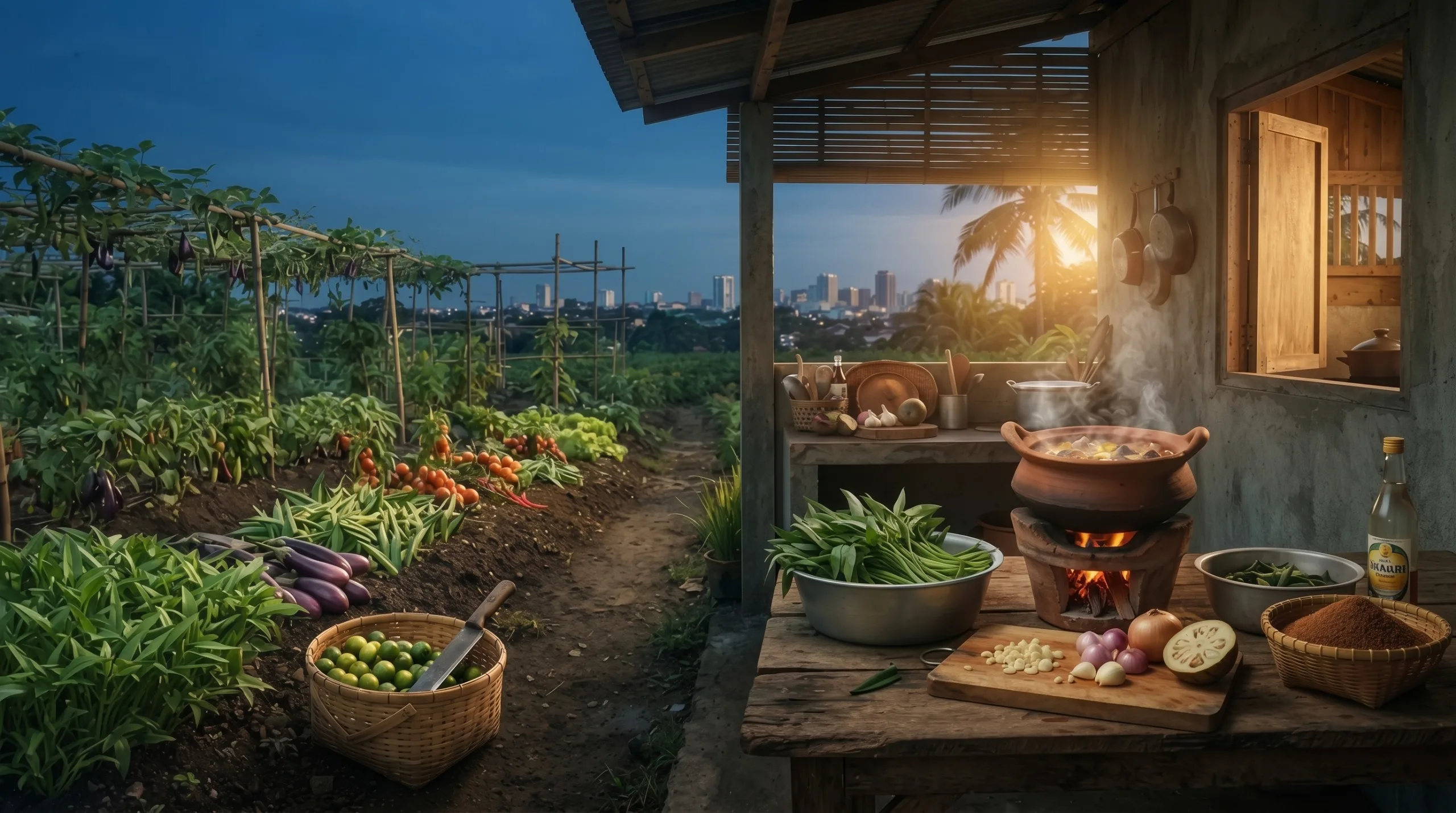
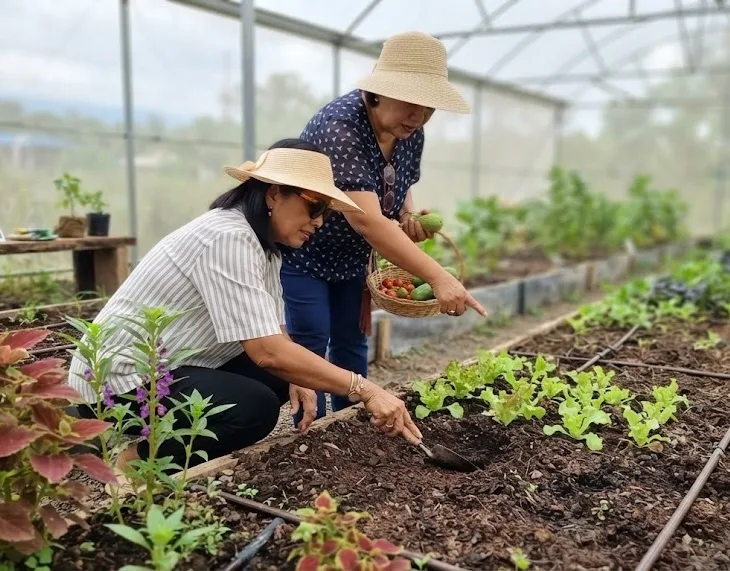
BOHOL - The food found in neighborhood markets often begins far from the shelves where consumers eventually buy it. Across Bohol, farmers produce vegetables, root crops, fruits, livestock, and other agricultural products that can move through local traders, markets, food businesses, and household supply chains. In Tagbilaran City, urban agriculture programs have also explored how available city spaces can contribute to food production and household food sources. Meanwhile, the provincial agriculture office continues to support programs that strengthen local production and connect farmers with consumers. Looking at this chain helps explain why agricultural communities remain important even for residents living in more developed urban areas.
Vegetable Production Can Connect Rural Communities With City Consumers
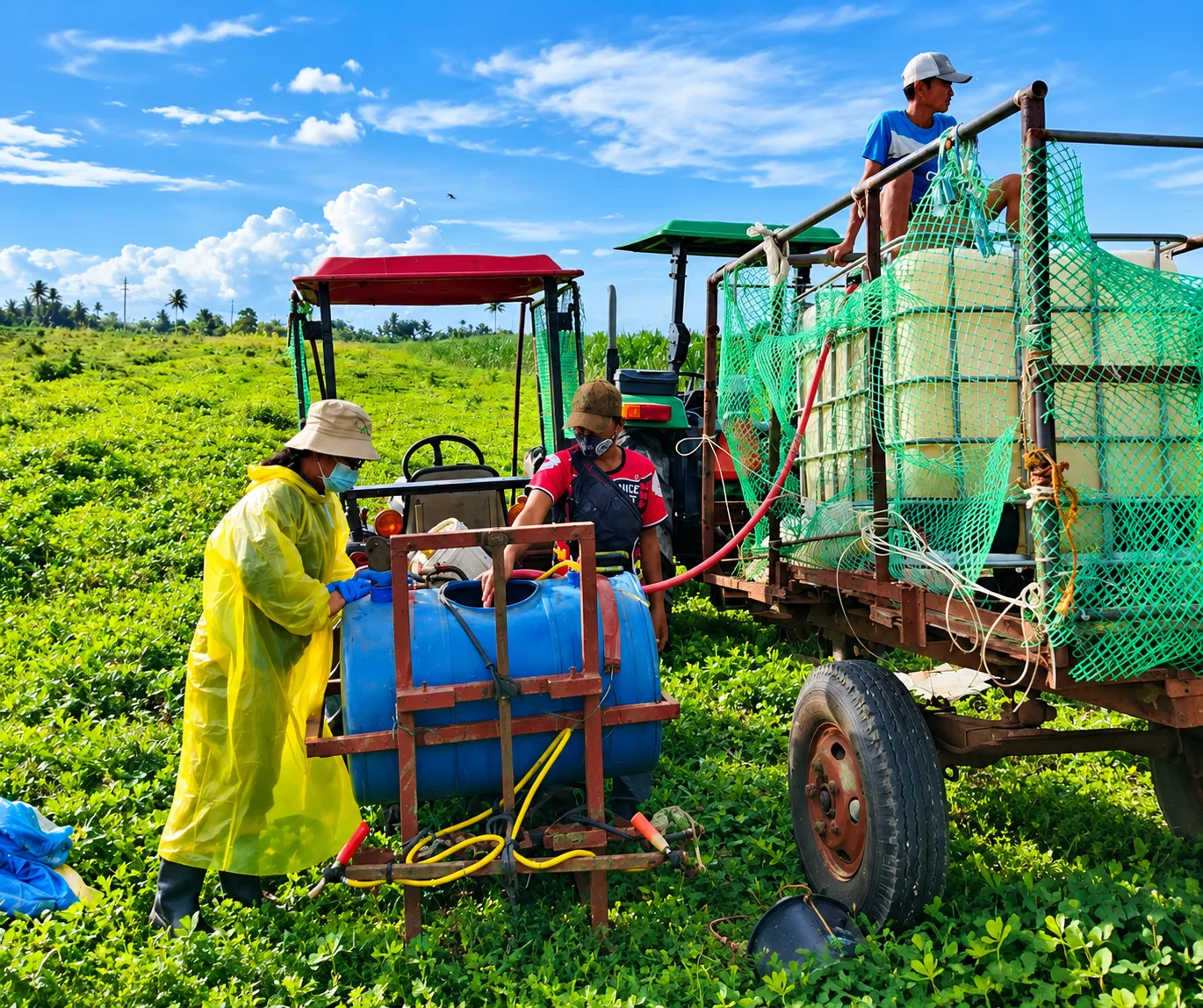
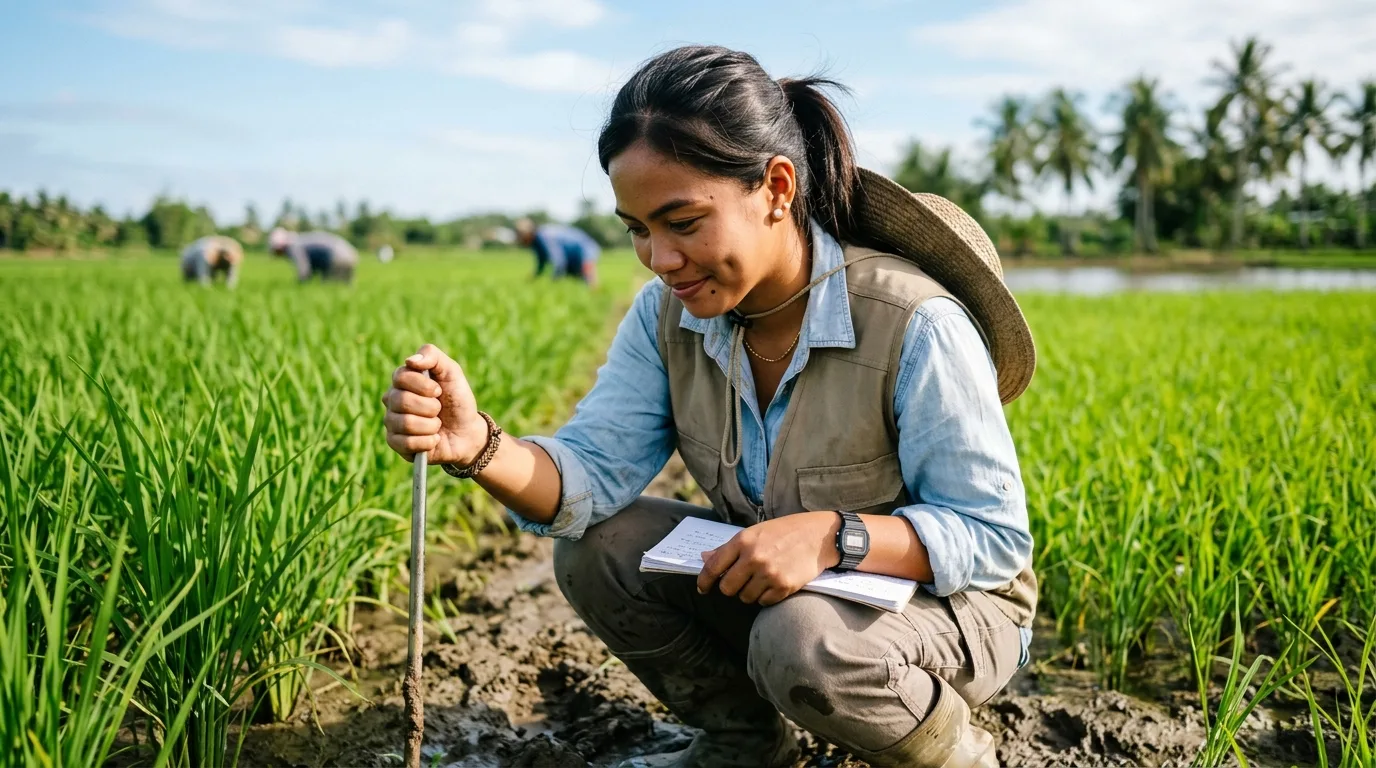
One example can be seen in Inabanga, where a 16-week Farmers Field School on organic vegetable production began in Barangay Dait Sur in September 2026. The program brought together farmers from Dait Sur and Baw-go and covered soil health, crop production, seed selection, organic inputs, pest and disease management, harvesting, and post-harvest practices. Initiatives such as these can help improve the knowledge and production practices behind vegetables that eventually reach local households and food businesses. Bohol's agricultural programs also include efforts to develop vegetable-producing areas and strengthen the movement of locally grown produce into markets.
Food Supply Also Depends on Farmers Producing Different Crops
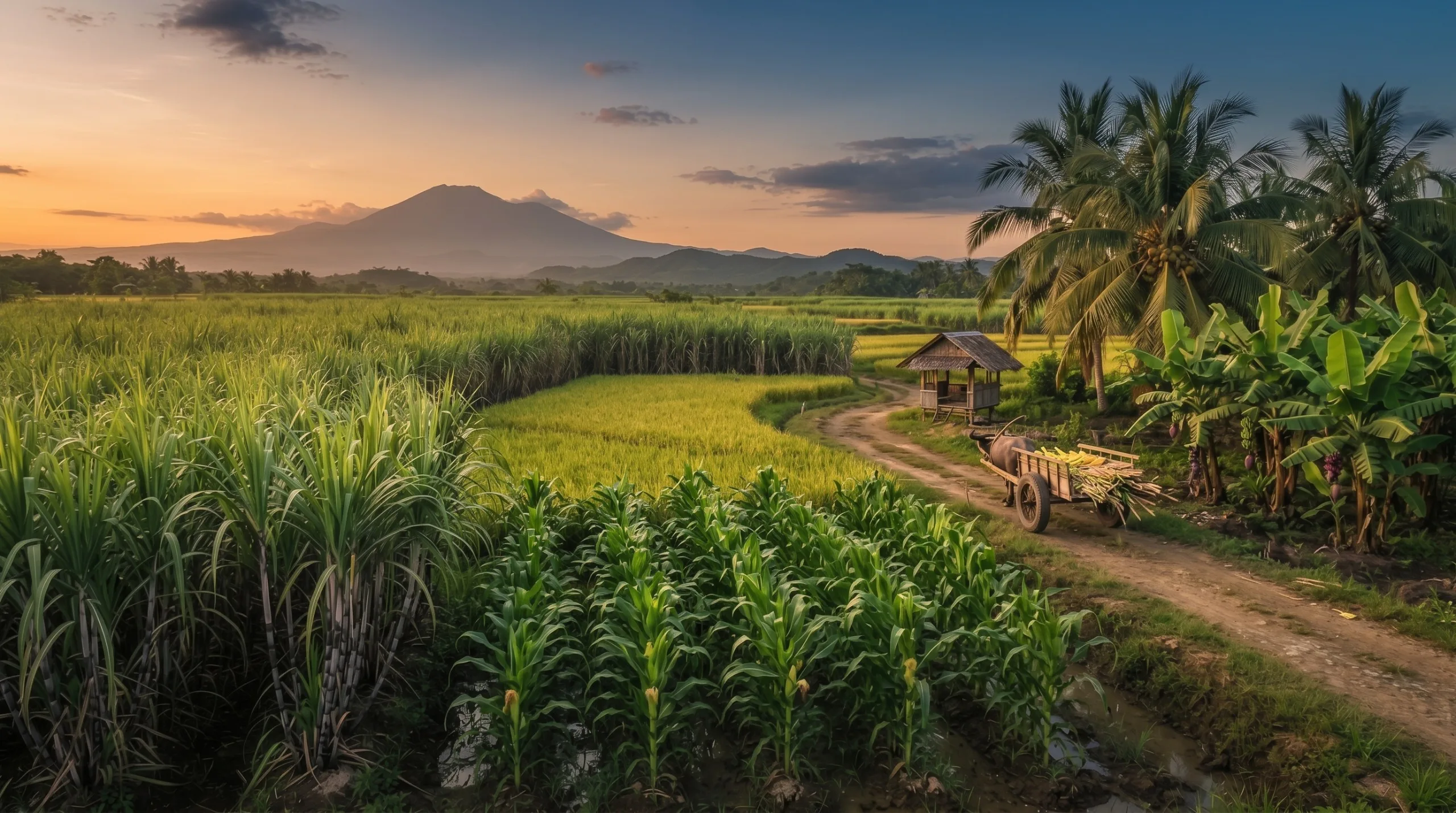
Bohol's food system extends beyond vegetables. In Valencia, the Bohol Eastern Ubi Growers Association brought together growers from municipalities including Anda, Mabini, Valencia, Jagna, Duero, Guindulman, and Candijay, reflecting the wider network involved in the province's ubi production. Other agricultural initiatives support coconut, fisheries, livestock, and high-value crops, giving local communities multiple sources of food and livelihood. For residents choosing where to live, this agricultural network is part of the wider story of Bohol's communities: farms outside urban centers can still influence what appears on neighborhood tables, what local food businesses can source, and how communities respond to food-security challenges.