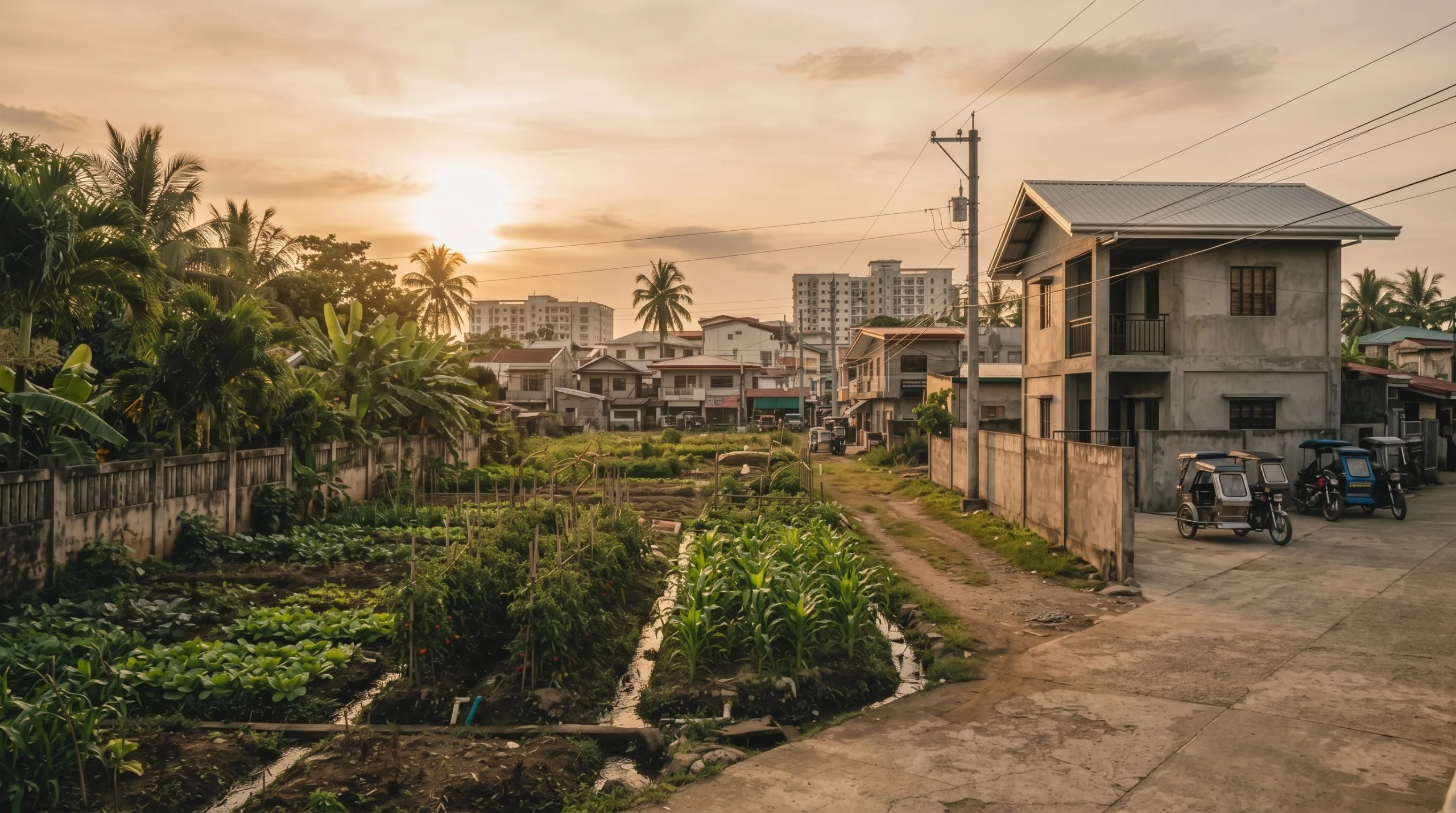
Farms Can Become Part of a Changing Community Landscape
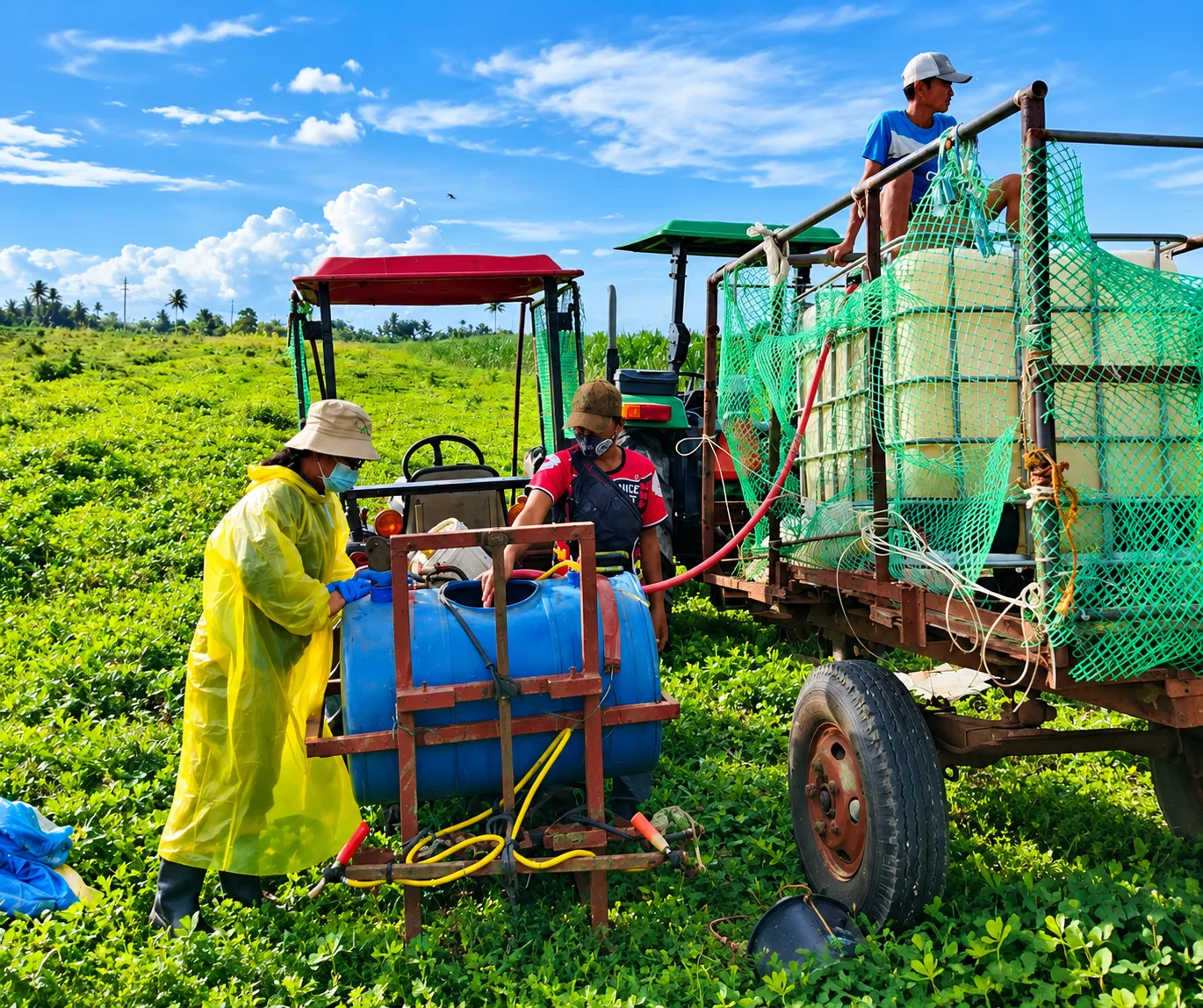
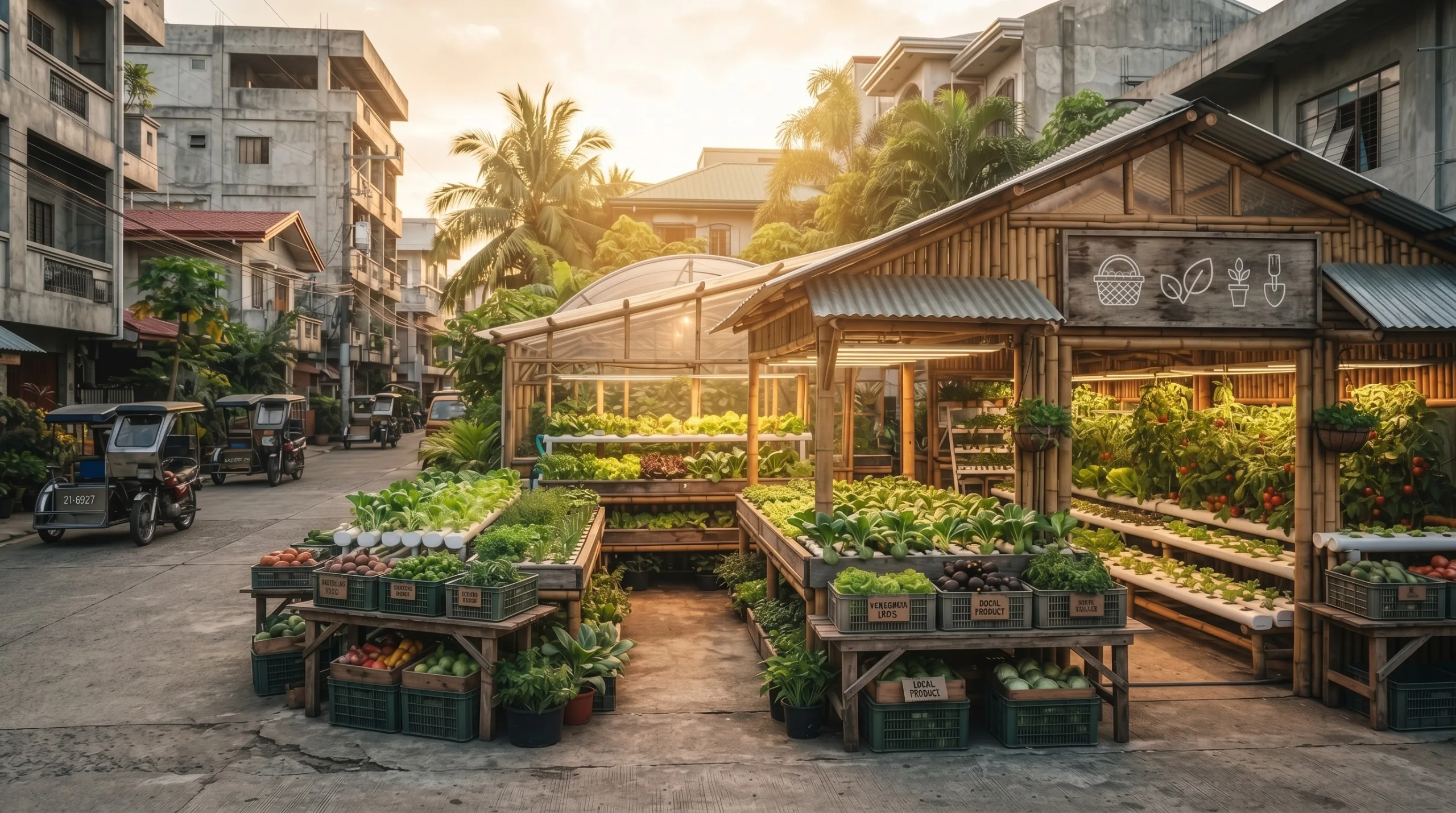
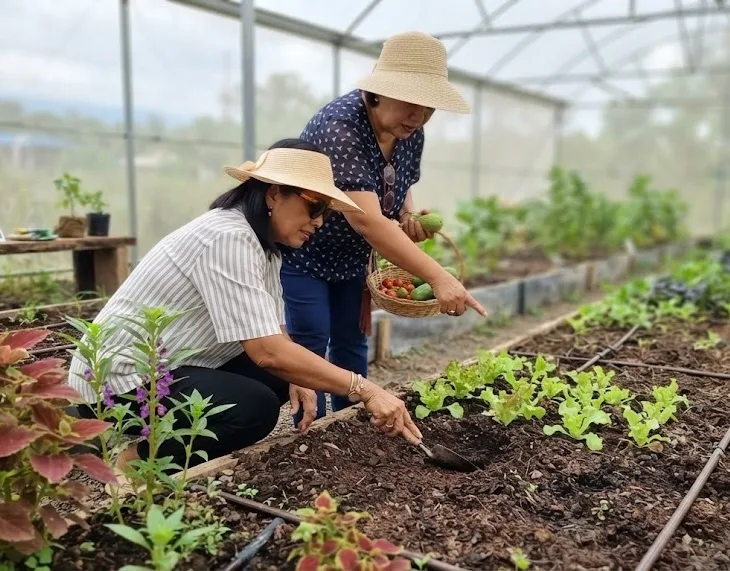
BOHOL - When residential areas expand toward agricultural communities, the relationship between homes and farms can become more visible in everyday life. Farms can provide food, livelihoods, open space, and a connection to local production, while nearby neighborhoods create additional demand for fresh produce and other agricultural goods. In Tagbilaran City, the Agricultural Training Institute conducted an August 2026 training on crop-based urban and peri-urban agriculture, covering containerized, vertical, and other approaches that allow food production even where land is limited. The activity shows how agriculture can continue adapting as communities become more built-up rather than simply disappearing from the urban picture.
Growing Neighborhoods Can Create New Markets for Farmers
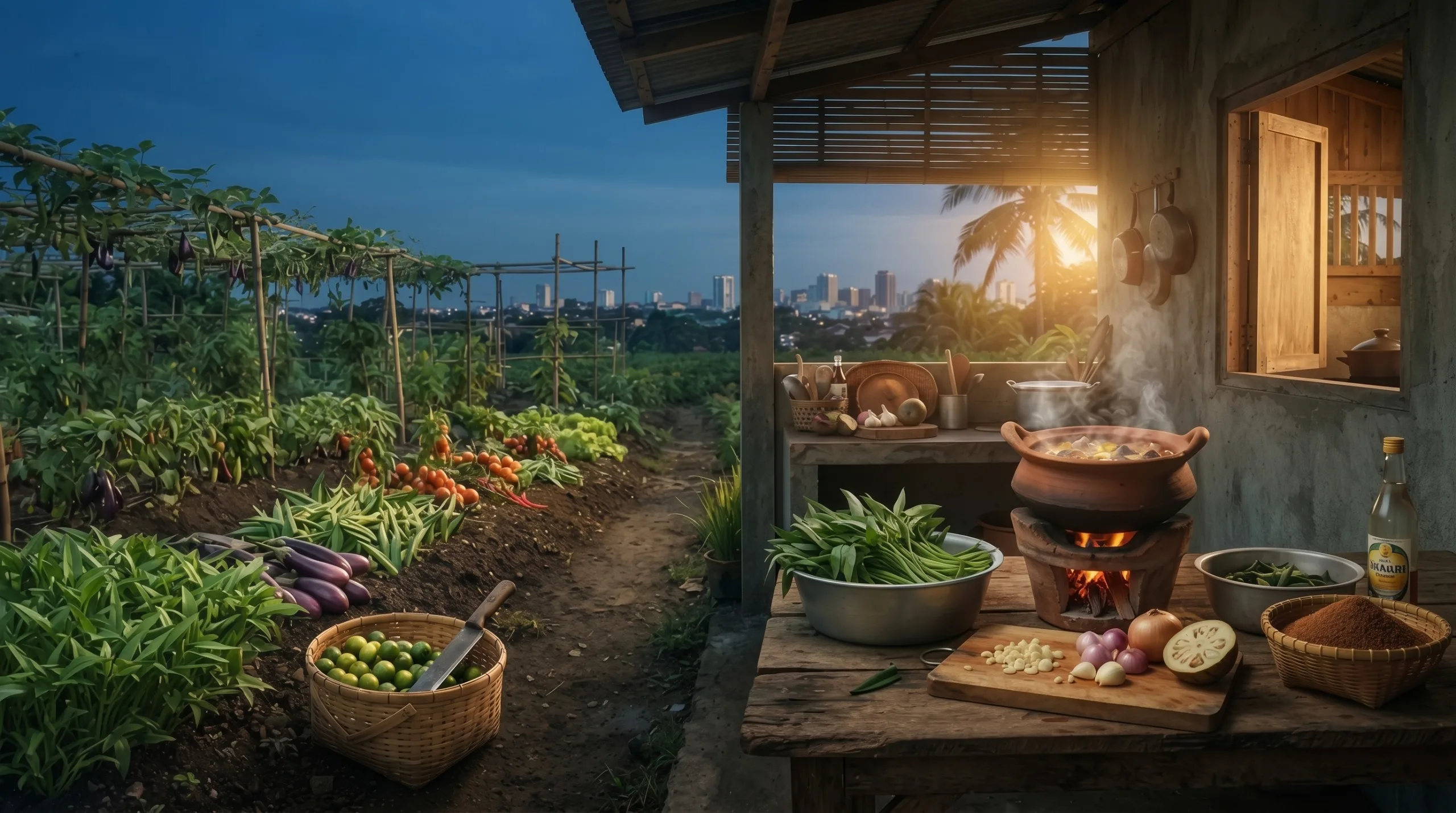
A larger residential population can also mean more potential customers for farmers and food businesses. Bohol's agricultural programs have supported vegetable production and marketing, while the province's High Value Commercial Crops Development Program reported substantial growth in vegetable production from 2023 through 2025. Production clusters involving Valencia, Garcia Hernandez, Sierra Bullones, Jagna, Guindulman, and Duero are among the efforts intended to strengthen coordinated production and market supply. For households in Tagbilaran, Dauis, Panglao, and other growing communities, these agricultural networks can influence the availability of locally produced food in markets and neighborhood stores.
Land-Use Planning Becomes More Important as Areas Develop
The meeting point between farms and neighborhoods also makes land-use planning important. Bohol's Provincial Planning and Development Office identifies agricultural areas alongside built-up, tourism, industrial, protected, and other land-use categories, while its development-constraints mapping identifies areas such as prime agricultural land, watersheds, mangroves, and geohazard zones where development may face particular restrictions. In municipalities experiencing growth, comprehensive land-use planning can help determine where housing, agriculture, infrastructure, tourism, and environmental protection should fit together. For prospective homeowners, understanding what surrounds a property—and what the area's land-use plans allow—can provide useful context before choosing a location.