Use Water More Carefully
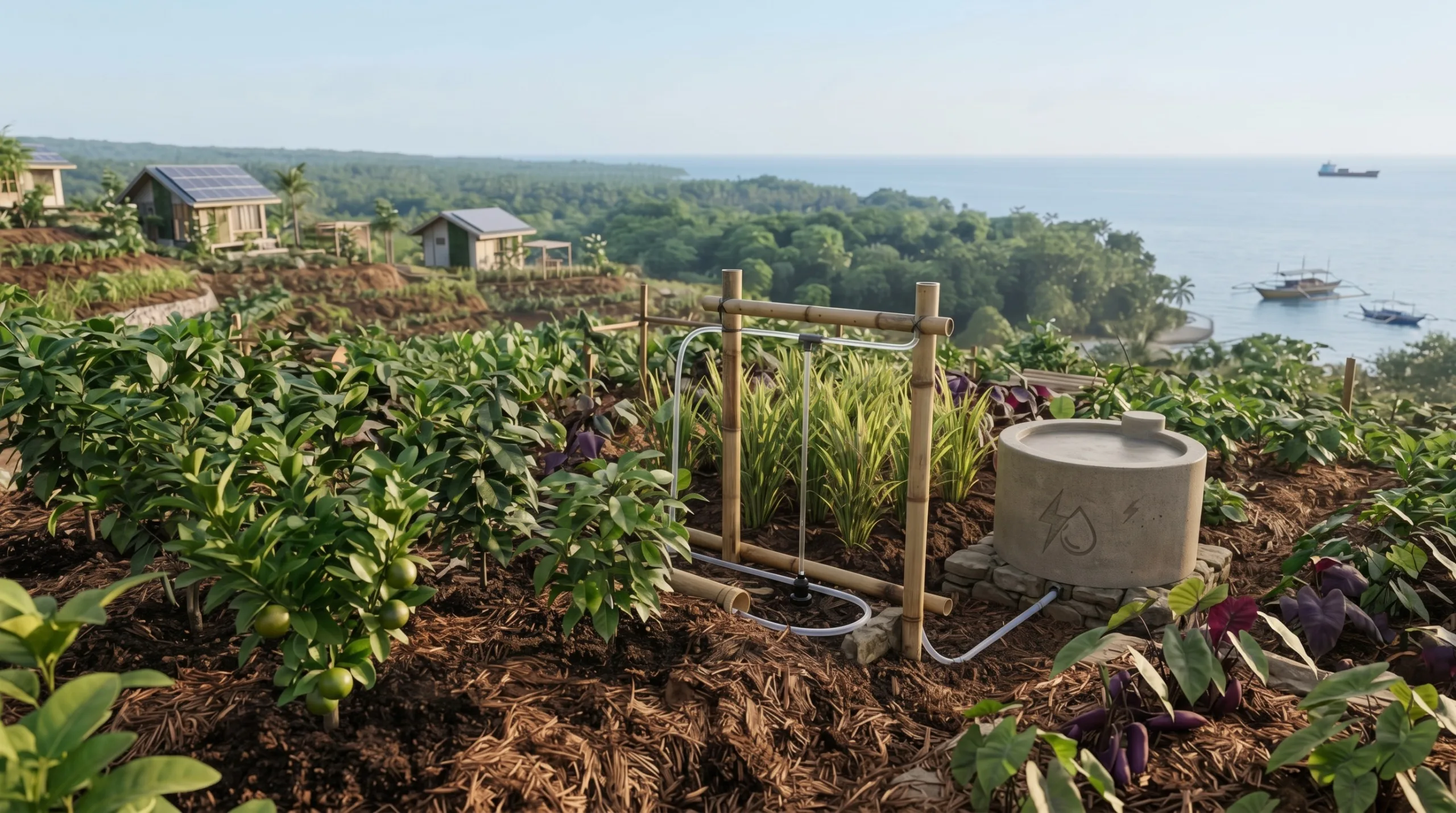
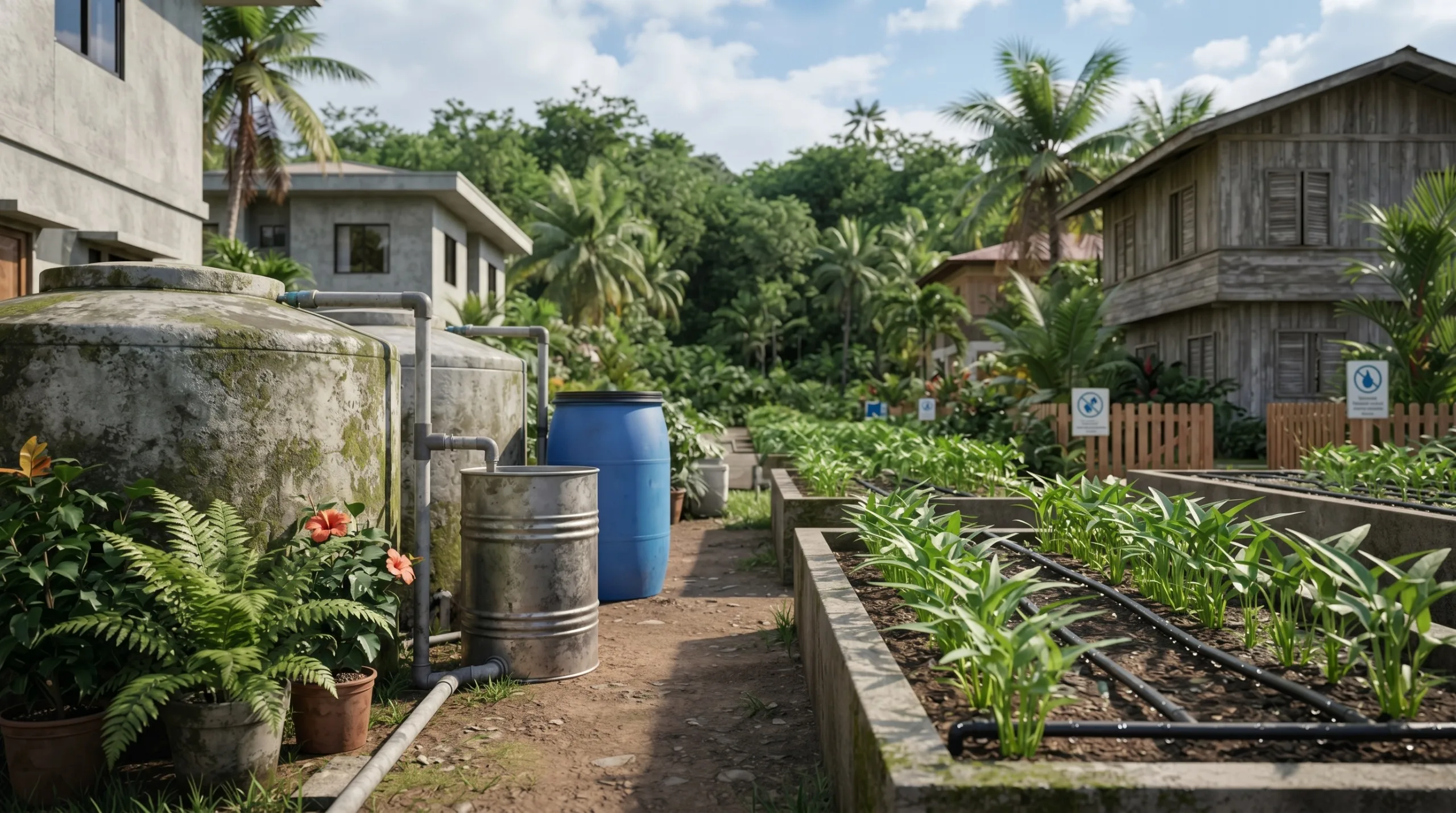
BOHOL - Water conservation is one of the most practical ways households can prepare for periods of reduced rainfall. Residents can repair leaking faucets and pipes, avoid unnecessary water use, reuse suitable household water for cleaning or gardening, and collect rainwater when conditions allow. Farmers and communities can also explore efficient irrigation methods and water-storage systems appropriate for their location. Bohol's provincial government has previously activated an El Niño Action Plan that includes measures related to water security, agriculture, health, and disaster preparedness, highlighting the importance of coordinated preparation during prolonged dry periods.
Help Farms Cope With Dry Conditions
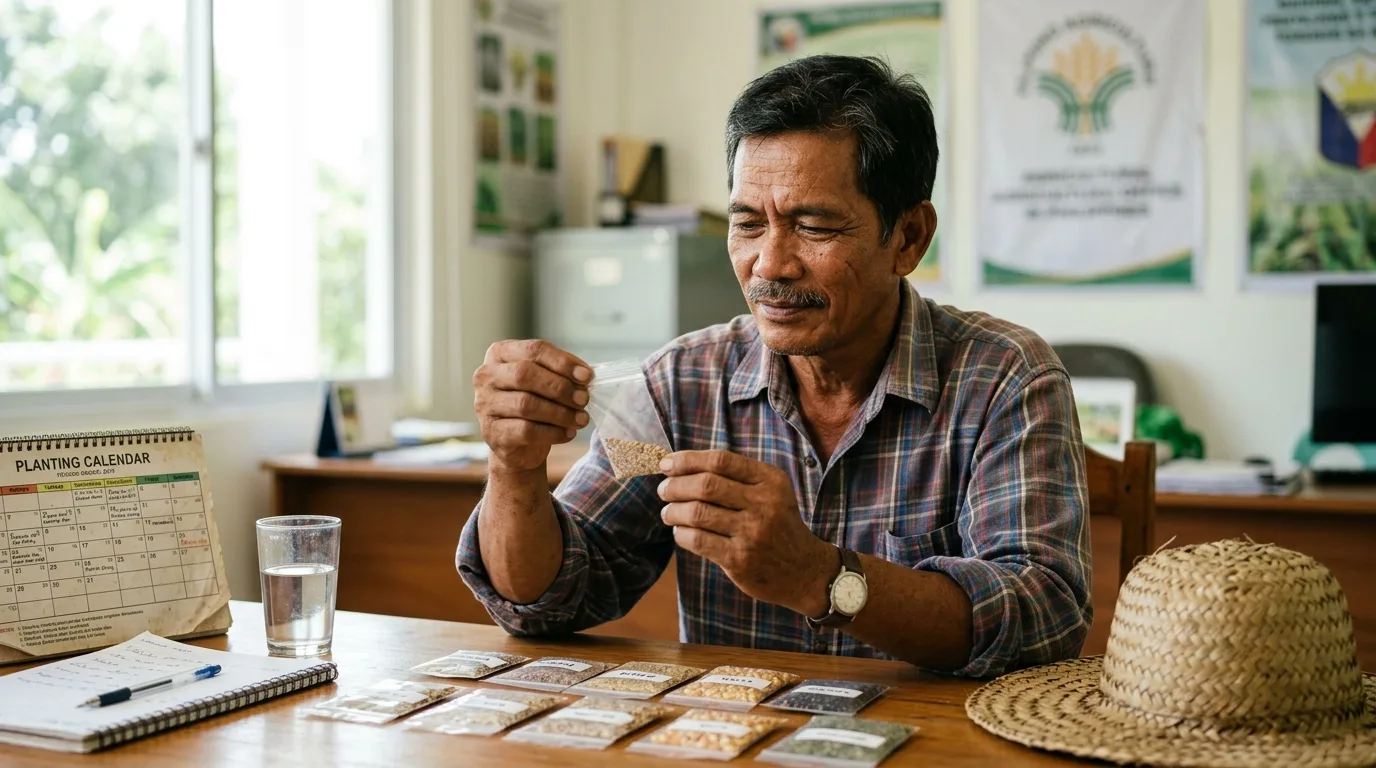
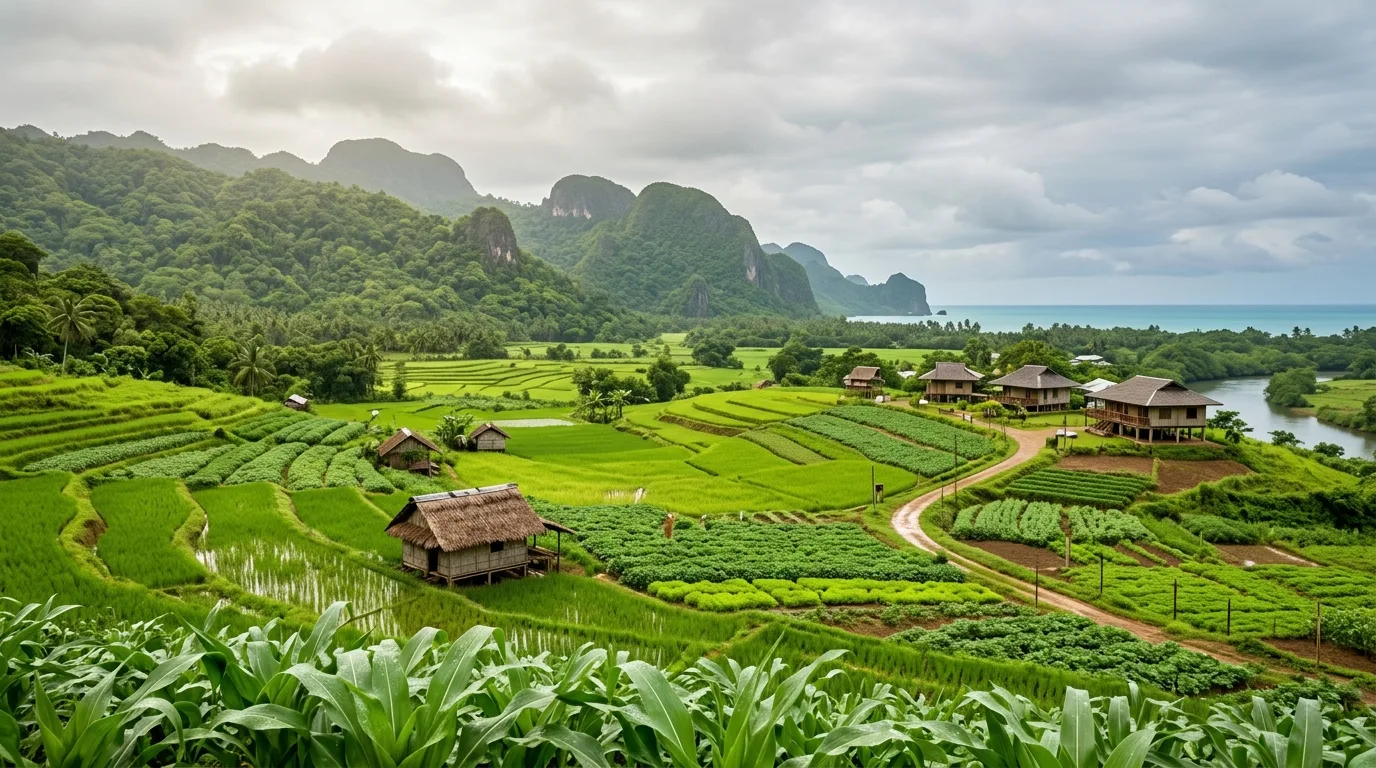
Agriculture can be particularly vulnerable when rainfall becomes irregular. Farmers can consider practices such as mulching to retain soil moisture, adjusting planting schedules based on available water, selecting appropriate crops or varieties, and using efficient irrigation systems. Protecting soil from excessive heat and erosion can also help maintain farm productivity. Agricultural agencies and local governments can provide technical guidance on crop selection, water management, and climate-adaptive farming practices suited to local conditions.
Protect Health and Community Resources
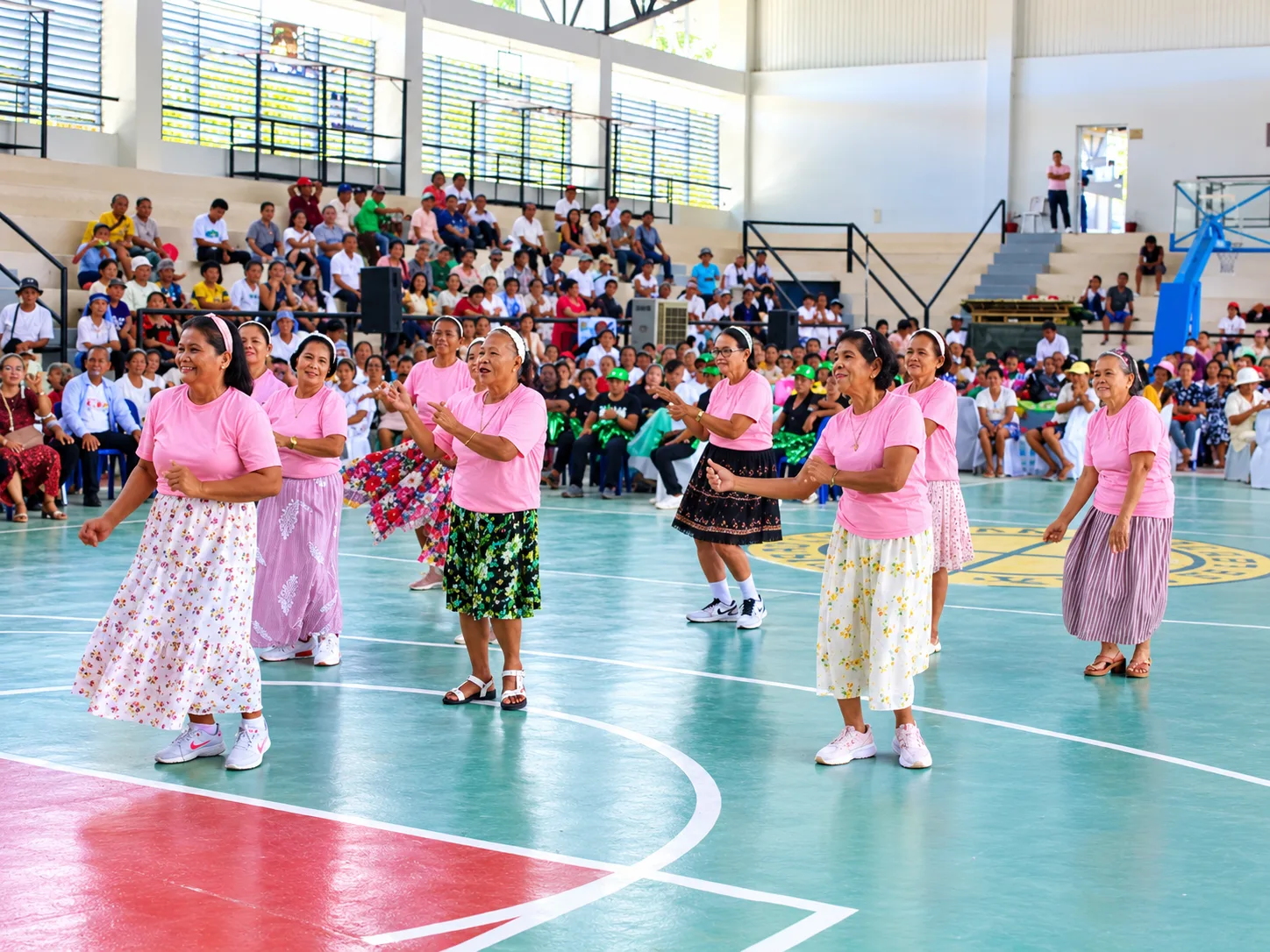
Hot and dry weather can increase the risk of heat-related illnesses, making it important to stay hydrated, limit strenuous activities during the hottest parts of the day, and provide additional care for vulnerable household members. Communities can also monitor official weather and climate advisories and prepare contingency plans for possible water shortages. Businesses, schools, farms, and households can contribute by using electricity and water efficiently and maintaining green spaces where practical. By combining household habits with coordinated community planning, Bohol can strengthen its ability to manage the effects of El Niño and prepare for future climate-related challenges.