CEBU CITY — The Cebu Provincial Government is preparing for the possible impacts of El Niño through a comprehensive four-phase preparedness and mitigation plan focused on protecting water supply, agriculture, public health, livelihoods, and essential government services. The framework was submitted to Governor Pamela Baricuatro on October 1, 2026, for consideration and approval.
A Province-Wide Framework for Drought Resilience
The Cebu El Niño Preparedness and Mitigation Plan 2026-2027 was prepared by the Provincial Disaster Risk Reduction and Management Office under the leadership of PDRRMO Chief Ret. Col. Dennis Francis Pastor. The proposed framework covers measures to address prolonged dry conditions and drought, including potential effects on water resources, agricultural production, livestock, public health, energy, public facilities, and government operations.
Under the plan, the province will strengthen monitoring of climate conditions, water availability, heat-related risks, agricultural impacts, and fire-prone areas. It will also enhance early warning and information dissemination systems to ensure communities receive timely advisories. These measures aim to minimize the severity of El Niño's impact through proactive planning rather than reactive response.
Prepositioning Resources for Vulnerable Communities
The PDRRMO will preposition water tankers, mobile kitchens, mobile water storage tanks, emergency supplies, generators, communication equipment, and rescue vehicles for immediate deployment. These resources will prioritize vulnerable and water-deficient communities across the province. The goal is to ensure rapid assistance when dry conditions intensify.
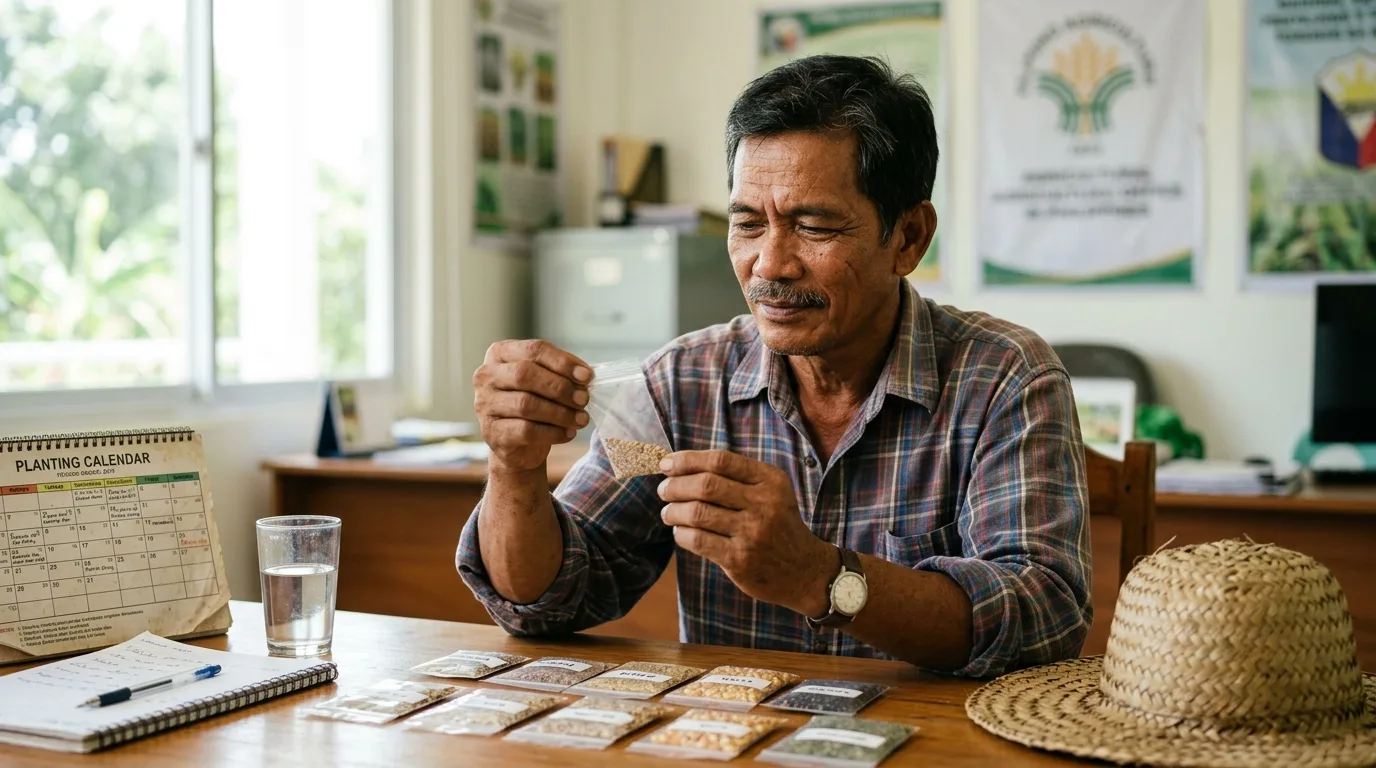
For the agriculture sector, the Provincial Agriculture Office and Provincial Veterinary Office will prepare contingency assistance for affected farmers, fisherfolk, and livestock raisers. Support includes seeds, animal feed, and other appropriate agricultural and fishery inputs. Eligible farmers and livestock raisers will also be assisted in accessing agricultural insurance to cushion potential losses.
The Provincial Health Office will ensure adequate drinking water and water-catchment facilities in provincial hospitals, rural health units, and other health facilities. Emergency medical supplies and response protocols for heat-related emergencies will likewise be prepared. The Provincial Social Welfare and Development Office will maintain adequate stocks of food, bottled water, and essential relief commodities, including Meals Ready to Eat.
The Four-Phase Approach to Intervention
The plan adopts a four-phase approach to ensure interventions are carried out before, during, and after El Niño impacts. Phase 1, Preparedness and Risk Assessment, begins upon approval and focuses on risk assessment, water-resource inventory and mapping, contingency planning, public information, and equipment procurement.
Phase 2, Anticipatory Mitigation, covers measures before and during the onset of significant dry conditions. This includes water and energy conservation, agricultural adjustments, heat protection, and the prepositioning of resources. Phase 3, Emergency Response and Sustained Operations, activates during significant or severe impacts, covering water distribution, emergency health interventions, livelihood assistance, fire suppression, and maintaining essential public services.
Phase 4, Recovery and Rehabilitation, begins as conditions improve and includes post-disaster needs assessment, restoration of water sources, agricultural recovery, infrastructure rehabilitation, and post-event evaluation. This phased approach ensures that the province transitions smoothly from preparation to response and eventual recovery.
Graduated Alert System for Proportionate Response
The plan establishes a graduated activation system so interventions are proportionate to the severity of the situation. Operational levels align with official PAGASA advisories and validated local conditions. The Normal or Green level involves routine monitoring, preventive preparations, and updating local water-resource inventories.
The Heightened Alert or Yellow level activates as the risk of prolonged dry conditions increases, calling for intensified monitoring and the activation of the Provincial El Niño Monitoring and Coordination Desk. The Provincial Operational Alert or Orange level applies when significant or imminent impacts are identified in specific areas, triggering appropriate emergency coordination arrangements.
The highest level, Emergency Response or Red, applies when severe impacts require sustained intervention. Measures include sustained water augmentation, emergency assistance, mobilization of available provincial resources, and requests for national assistance when necessary. The PDRRMC will provide overall policy direction while the PDRRMO serves as the lead coordinating and monitoring office.