Bohol — Displaced workers in Bohol are set to become micro-entrepreneurs under the Department of Labor and Employment’s overhauled TUPAD program, launching in July 2026. The new framework replaces short-term cleanup assignments with sustainable business ownership.
From Street Sweepers to Shop Owners
Labor Secretary Francis Tolentino described a future where certified baristas open coffee shops rather than sweep streets. Under the upgraded scheme, workers who complete specialized training will receive pooled capital to launch collective enterprises. This shifts the program from emergency relief to lasting economic empowerment.
Bohol and Cebu have been selected as pilot areas for the transformation. DOLE Regional Director Roy L. Buenafe will lead ground implementation, identifying local projects matched to community needs. The goal is to create businesses that are viable and deeply rooted in the local economy.
TESDA Skills Training as a Foundation
Participants will first undergo certification courses from the Technical Education and Skills Development Authority. Training modules cover barista skills, culinary arts, handicraft production, and other trades relevant to Bohol’s tourism-driven market. These competencies become the building blocks for small enterprises.
Secretary Tolentino has aligned the program with TESDA Director General Jose Francisco Benitez, ensuring training and funding are seamlessly connected. By equipping workers with technical expertise before they receive capital, the partnership aims to reduce business failure rates and build confidence.
Seed Capital for Collective Enterprises
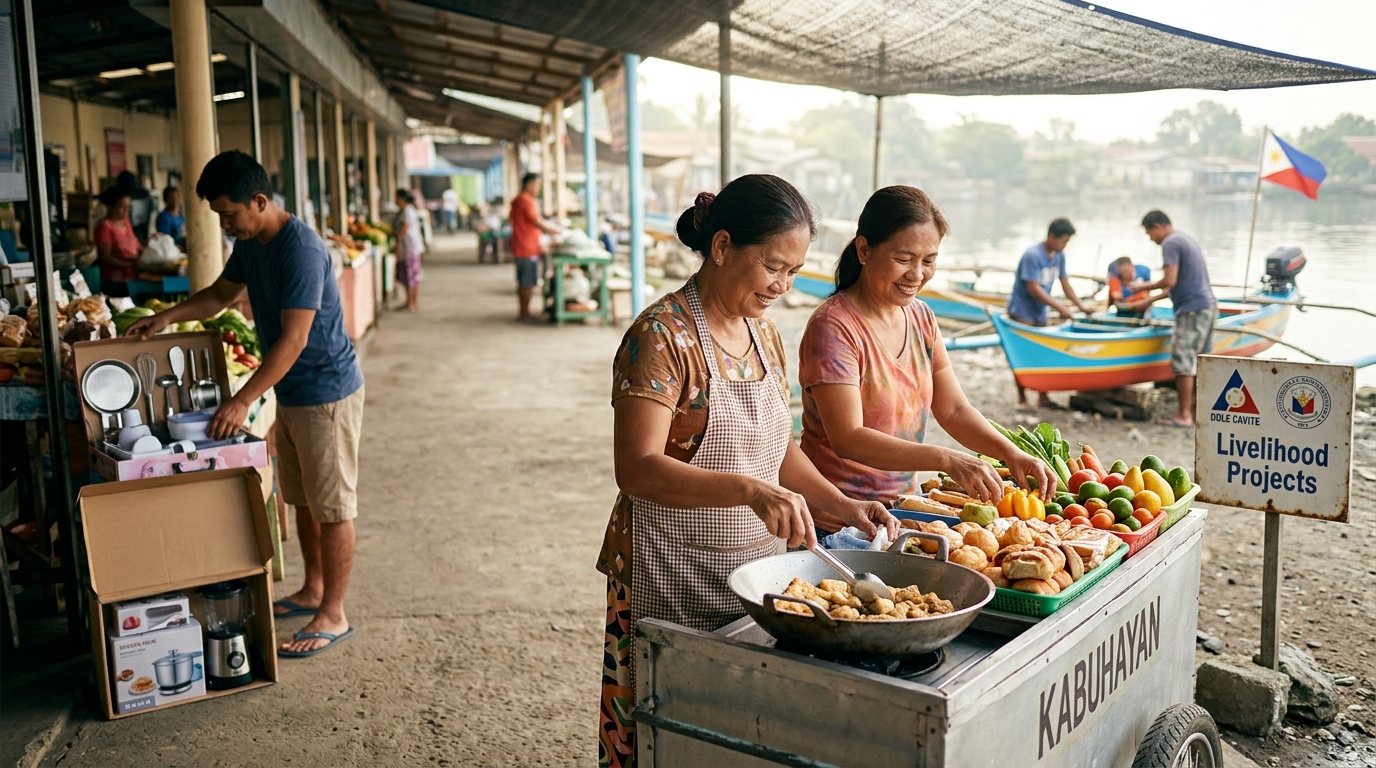
Instead of individual wages for short-term labor, the enhanced program pools beneficiaries into small groups that receive direct seed capital. A team of five certified baristas might jointly open a community coffee shop. This collaborative model encourages shared responsibility and mutual support.
The shift is backed by Department Order No. 239‑B, Series of 2026, which prioritizes convergence of services and resource-based livelihood projects. DOLE can now invest in equipment, startup materials, and initial operating expenses rather than simply disbursing cash. The legal framework ensures accountability and long-term planning.
Building on Recent TUPAD Deployments
The new direction builds on massive recent TUPAD mobilizations across Central Visayas. The ₱41.29‑million TUPAD-Brigada Eskwela initiative deployed over 6,500 workers to prepare public schools for June opening. These workers form a pool of pre‑evaluated candidates for the entrepreneurship track.
Performance during cleanup and repair work has given DOLE valuable insight into work ethic and reliability. Many of the same individuals who repaired classrooms may soon operate small businesses in their barangays. The continuity provides a sense of progression rather than a one-off dole-out.
Bohol’s Tourism Economy as a Growth Engine
Bohol’s thriving tourism sector offers fertile ground for micro-enterprises. Souvenir shops, local delicacy stalls, guided tour services, and food kiosks could flourish under the program. The province’s steady flow of visitors ensures a built-in customer base for new ventures.
DOLE Region 7 is currently finalizing a list of viable projects tailored to Bohol’s specific conditions. Priority will be given to business concepts that can sustain operations year‑round, not just during peak tourist seasons. Mentorship and regular monitoring will support beneficiaries through the early stages of business ownership.
A Sustainable Shift Away from Dependency
The transformation of TUPAD addresses long-standing criticism that emergency employment programs offer only temporary relief. By turning beneficiaries into entrepreneurs, DOLE aims to break cycles of vulnerability and dependency. Successful micro-enterprises can eventually hire others, multiplying the impact across communities.
With the program launching next month, the labor department is racing to finalize guidelines and beneficiary selection. Early results in Bohol and Cebu will shape the national rollout. For thousands of displaced workers, the promise is not just a paycheck but a pathway to self‑reliance.