A Bus Known for Its Presence on the Road
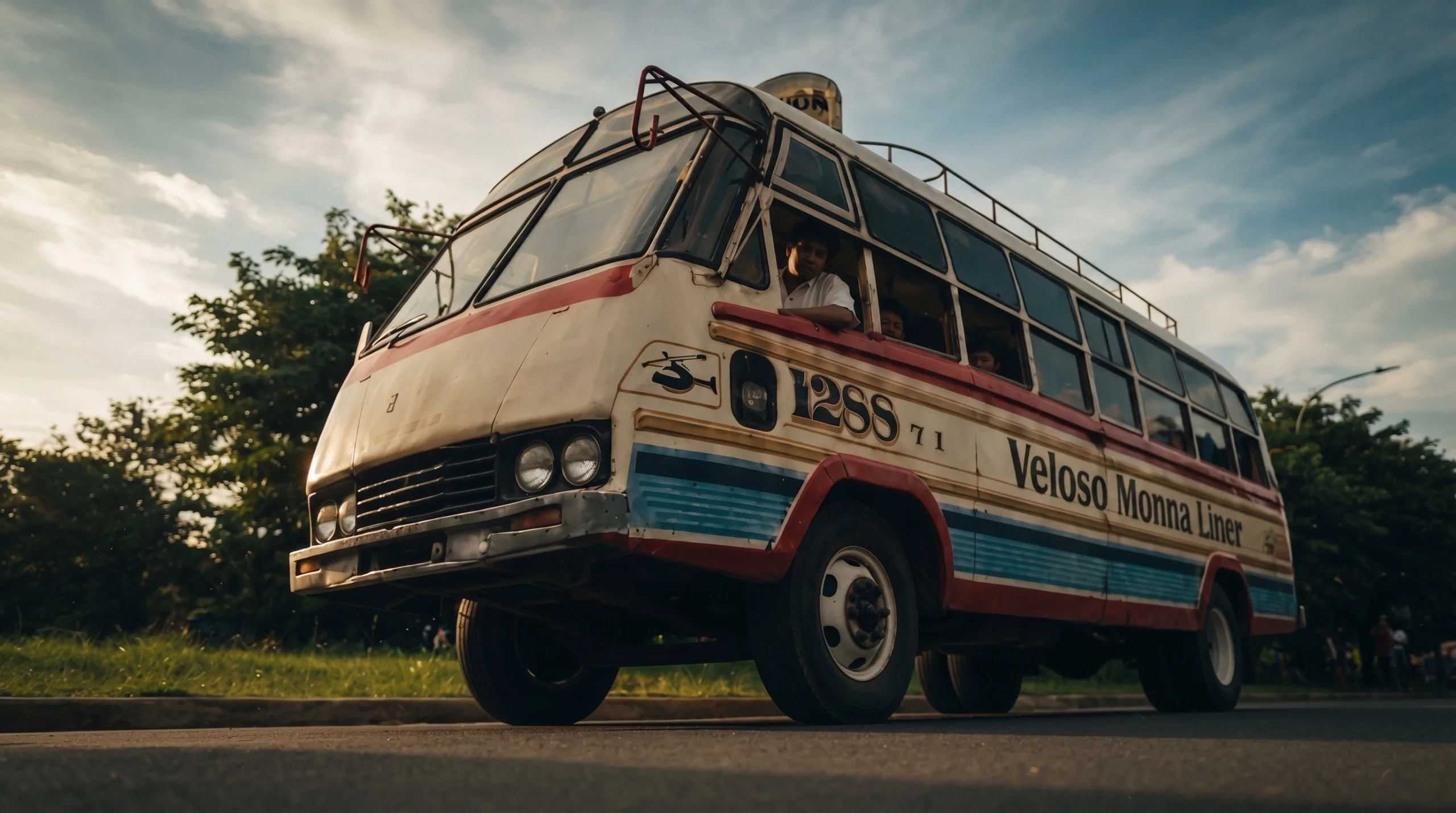
BOHOL - The Veloso Monna Lines 1288 served a route linking Tubigon, Calape, Loon, and Tagbilaran, giving passengers a connection between communities along Bohol's western and central corridor. According to the historical account accompanying the photograph, the bus was regarded during its heyday as one of the era's “hot cars,” a description associated with its size, power, speed, and distinctive sound. Its presence was therefore about more than simply getting passengers from one town to another. For people who traveled those roads regularly, the sight and sound of a familiar bus could become part of the ordinary rhythm of provincial life.
When the Bus Terminal Was Part of the City Landscape
Veloso Monna Lines also had a terminal in front of the old Bureau of Internal Revenue office, in an area where a Petron gasoline station now stands. Details such as this make old transportation photographs particularly interesting because they can help people remember how familiar places looked before the city's streets and businesses changed. A bus terminal was not merely a departure point; it was part of the network of places where passengers waited, met other travelers, and began journeys between Bohol's towns. Looking back at the location today can therefore create an unexpected connection between the present-day city and its earlier transportation landscape
More Than a Vehicle in an Old Photograph
Vintage buses such as the Veloso Monna are valuable pieces of local history because they represent the people and communities that depended on them. Their stories include the operators who kept the buses running, the drivers and conductors who worked the routes, and generations of passengers who relied on provincial transportation for school, work, family visits, and everyday errands. The surviving image of bus 1288 consequently captures more than an old vehicle—it preserves a small piece of how Bohol moved through an earlier era. For those who remember Veloso Monna Lines, the bus may bring back personal memories; for younger generations, it offers a glimpse into a transportation culture that helped connect Bohol's communities long before today's roads became familiar.