Museums Where GenSan’s Story Comes Alive
GENERAL SANTOS CITY - Two museums deserve a place near the top of a history-focused itinerary: the General Paulino Santos Museum at Notre Dame of Dadiangas University and the MSU–Gensan Museum of Cultural History and the Arts. The former houses memorabilia connected with General Paulino Santos and the pioneers associated with the city’s development, while the latter presents collections connected with Mindanao’s diverse cultural communities. The MSU museum remained active in 2026, hosting visitors, cultural exhibits, and educational activities. For travelers, these museums offer something photographs of landmarks cannot: objects, stories, and cultural materials that help explain the people and communities behind General Santos City’s history.
Landmarks That Mark the Pioneer Years
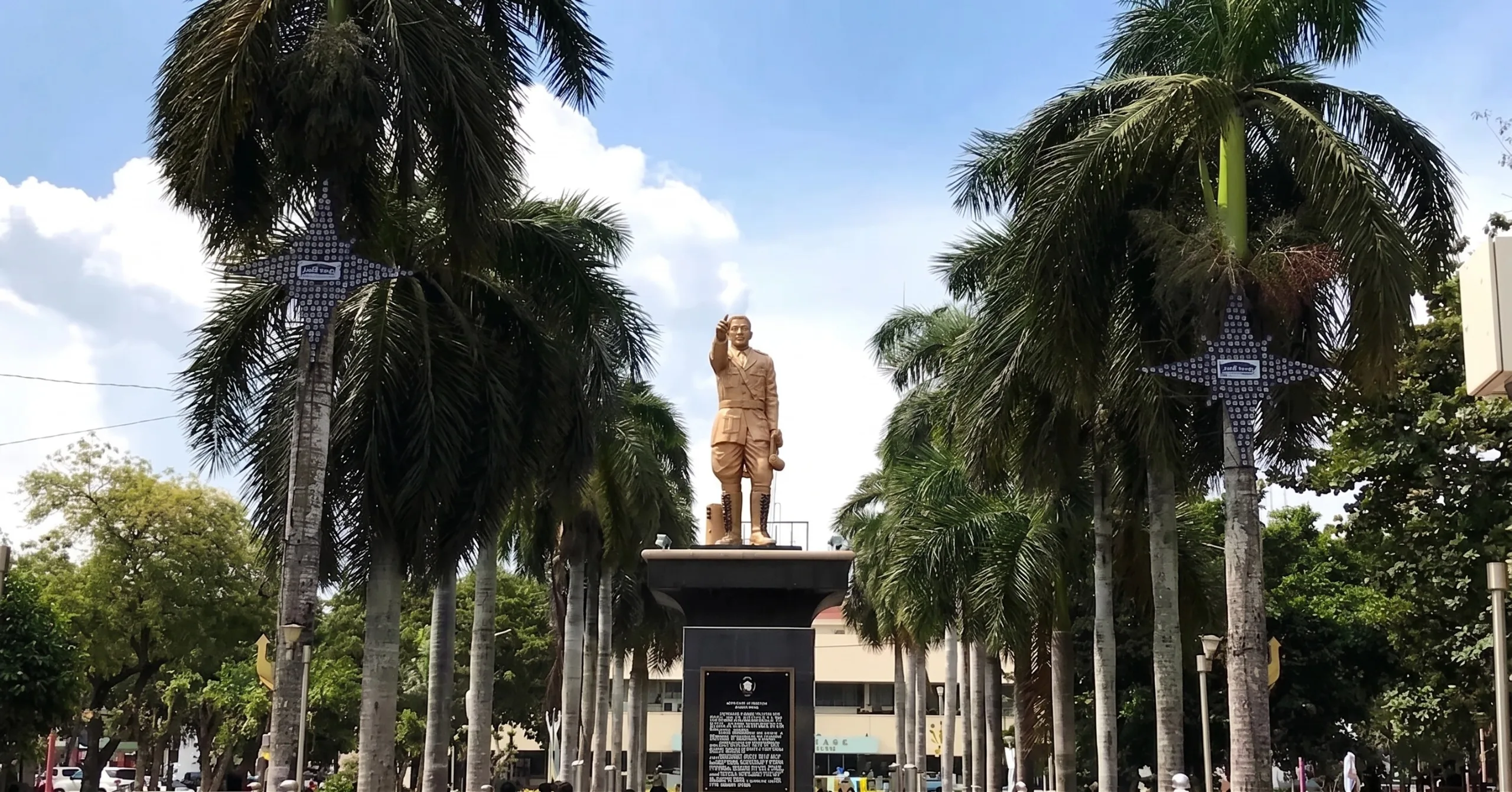
For a more open-air history stop, visit Pioneer's Park and the General Paulino Santos Landing Site, a commemorative place associated with the arrival of General Santos and the first National Land Settlement Administration settlers in 1939. The city’s 2026 Foundation Anniversary activities again placed General Paulino Santos at the center of its remembrance of the city’s beginnings. Another worthwhile stop is Lagao Central Elementary School, particularly for travelers interested in architectural heritage. A 2026 academic study examined American-era Gabaldon school buildings in General Santos City and identified Lagao Central Elementary School among its study sites, highlighting the continuing heritage value and conservation challenges of these historic educational structures. Visitors should observe school rules and ask permission before entering school grounds.
A Port That Tells a Different Kind of History
For the fifth stop, consider Makar Wharf, not as a conventional sightseeing attraction but as a place connected to the city’s long commercial and maritime story. The city’s official historical account notes that Makar Wharf became an open port of entry in 1959, helping support the growth of trade and the wider economy. Its importance was still evident in 2026, when the Philippine Ports Authority carried out structural inspections following the June earthquake and gradually resumed limited operations at the port. Because Makar Wharf remains an operating port facility, travelers should not assume unrestricted tourist access. Instead, its historical significance can be appreciated from permitted public areas or through an organized tour or official access arrangement.