Bohol Can Be Found on the Dining Table
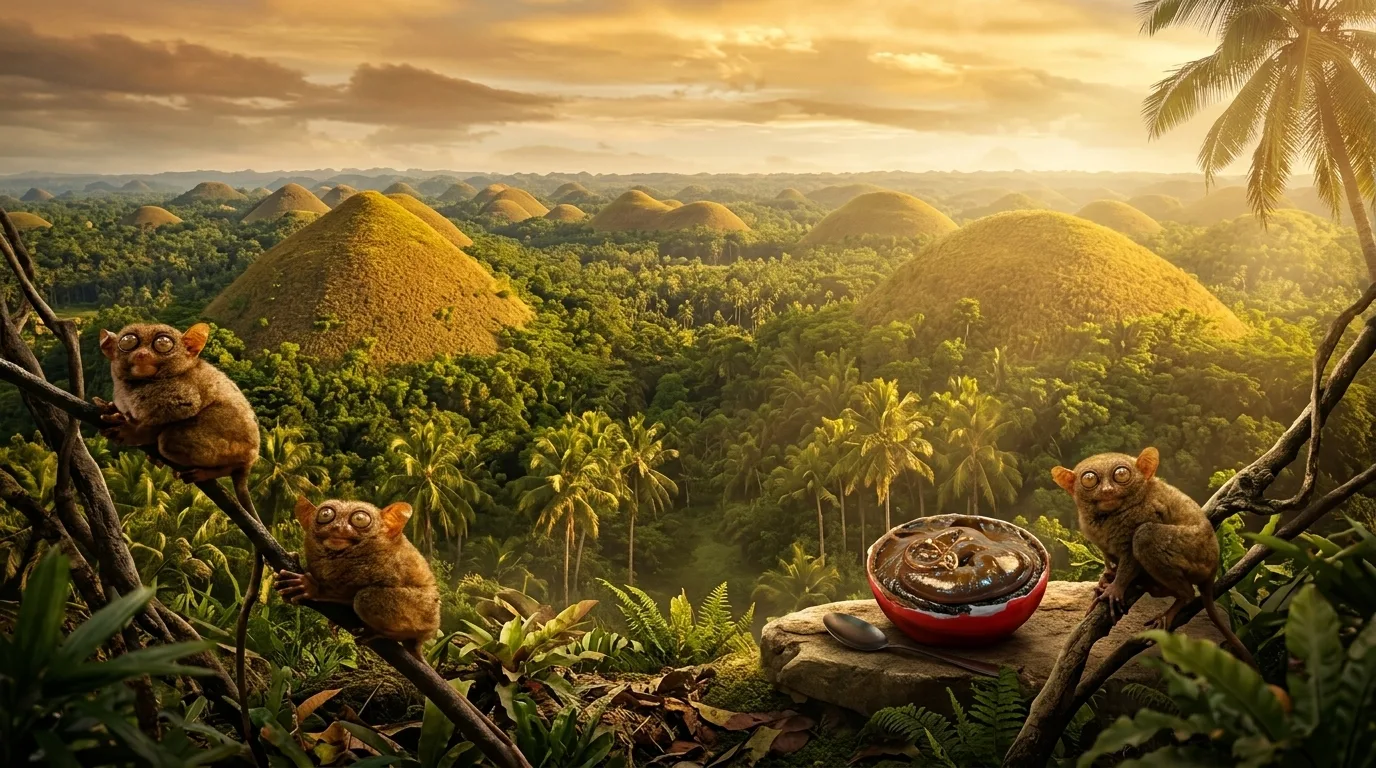
BOHOL - One of the clearest ways to understand Bohol is through the food people have traditionally prepared at home. A Philippine Information Agency feature on Boholano food culture describes how rice has long been deeply connected to local life, including traditional dishes that use crops such as sweet potato, cassava, taro, bananas, and other root crops to stretch meals. This isn't simply a collection of recipes; it reflects a practical relationship with farming, harvests, and making the most of what is available. Bohol's culinary identity also includes familiar delicacies such as calamay, broas, and other local products that have become part of its tourism presentation. Even better, some visitors can experience food traditions rather than simply buying the finished product, with Bohol's tourism inventory listing activities such as calamay-making and the Asin Tibuok cultural experience. In Bohol, food can therefore be more than something you eat after sightseeing—it can be a small lesson in how people have lived.
Look Closely at the Old Places
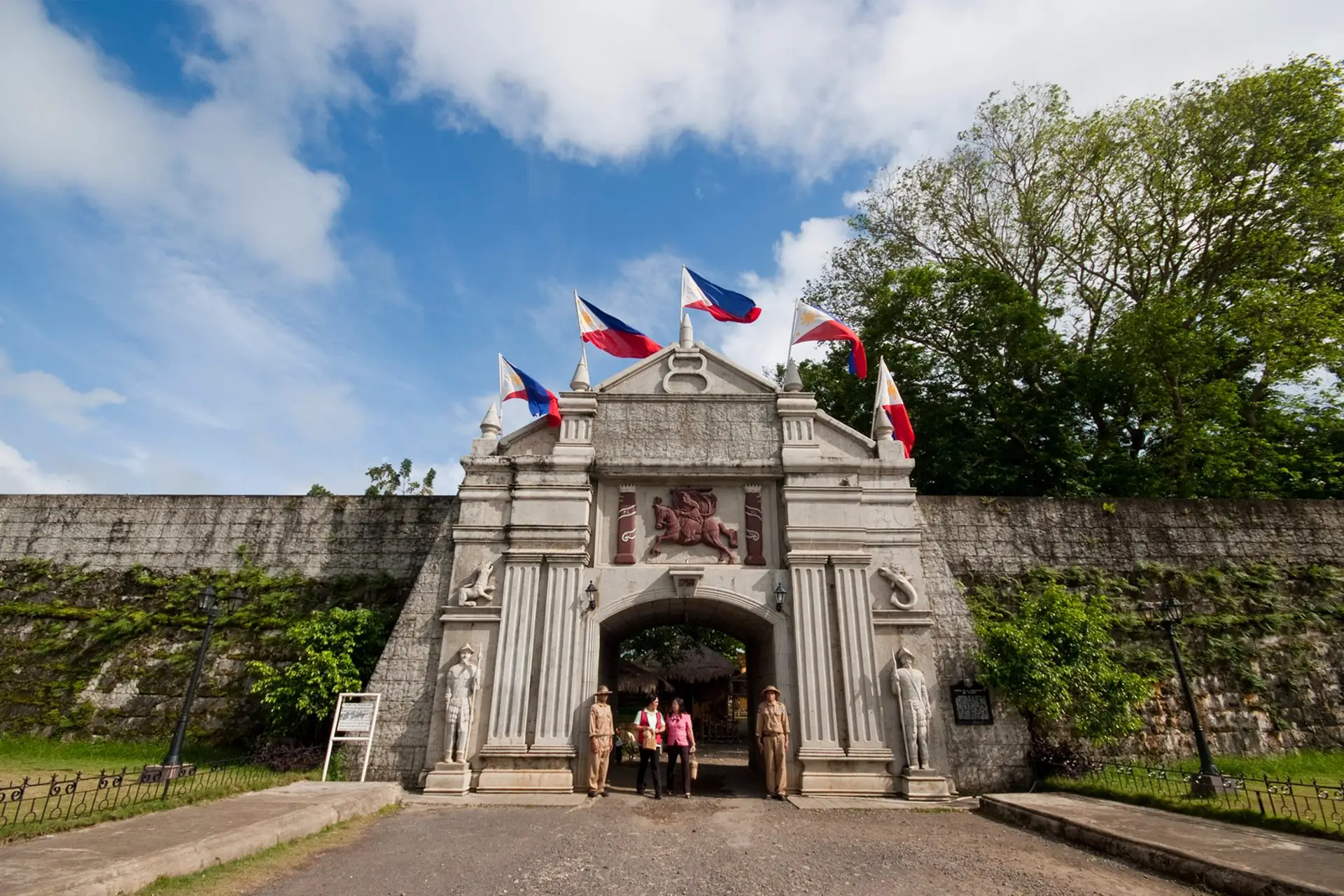
Bohol's history isn't confined to dates written in a textbook because pieces of it remain visible in its churches, plazas, houses, crafts, and even decorative details. The province's heritage sites include old stone churches such as Santa Monica Church in Albuquerque and Baclayon Church, while other historic structures preserve connections to centuries of religious and community life. One particularly fascinating detail is found in Bohol's church artistry: the Philippine Information Agency has documented carvings depicting calamay makers and potters, quietly incorporating local livelihoods into religious architecture. That means you don't always have to look for a grand monument to find Bohol's history; sometimes the most interesting story is tucked into a carving, a church wall, or a town plaza. This is also why heritage tourism can feel different from simply taking photographs of old buildings. The closer you look, the more you can see how religion, craftsmanship, food production, and community life became intertwined.
The Bohol You Don't See in the Brochure
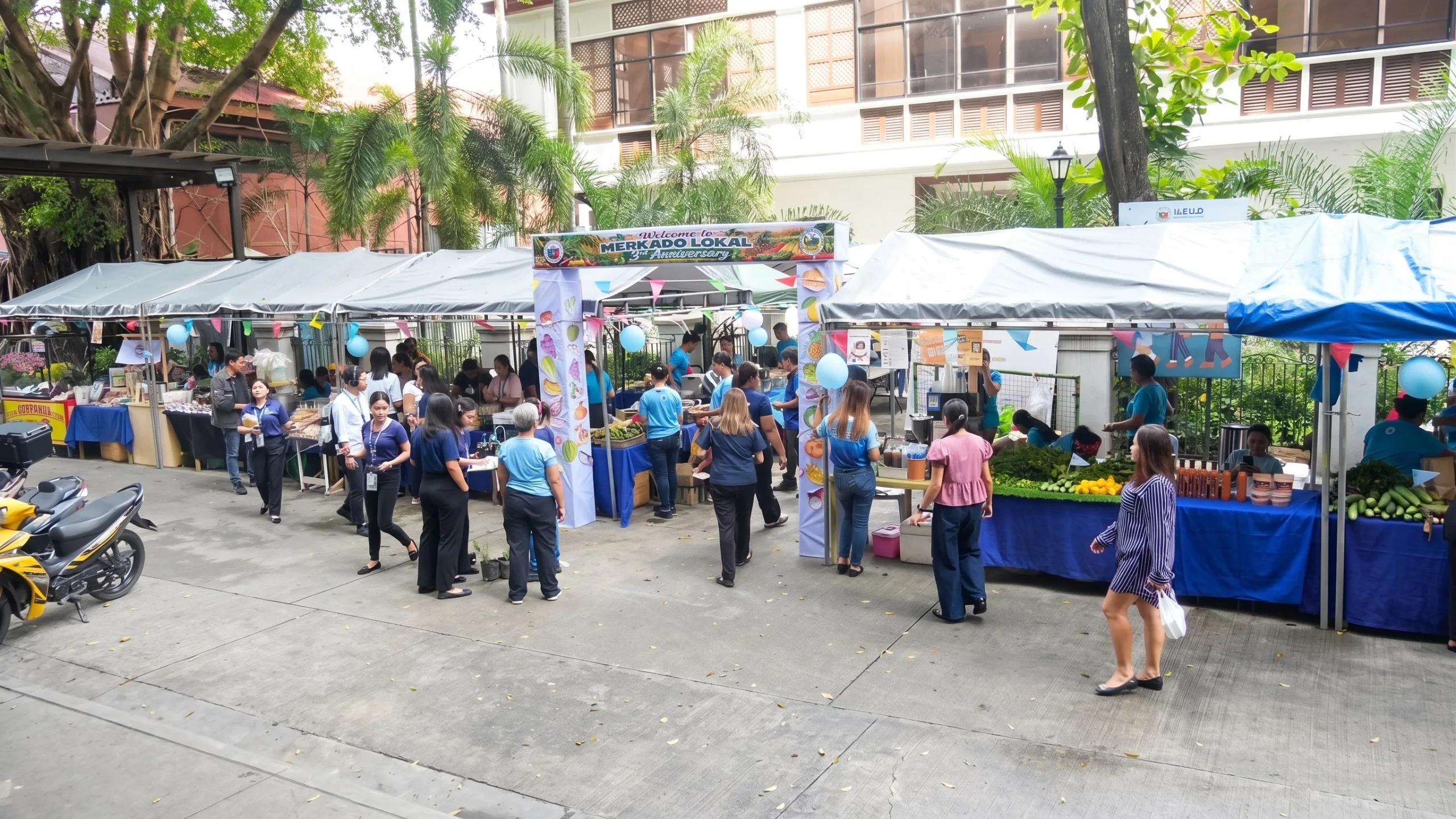
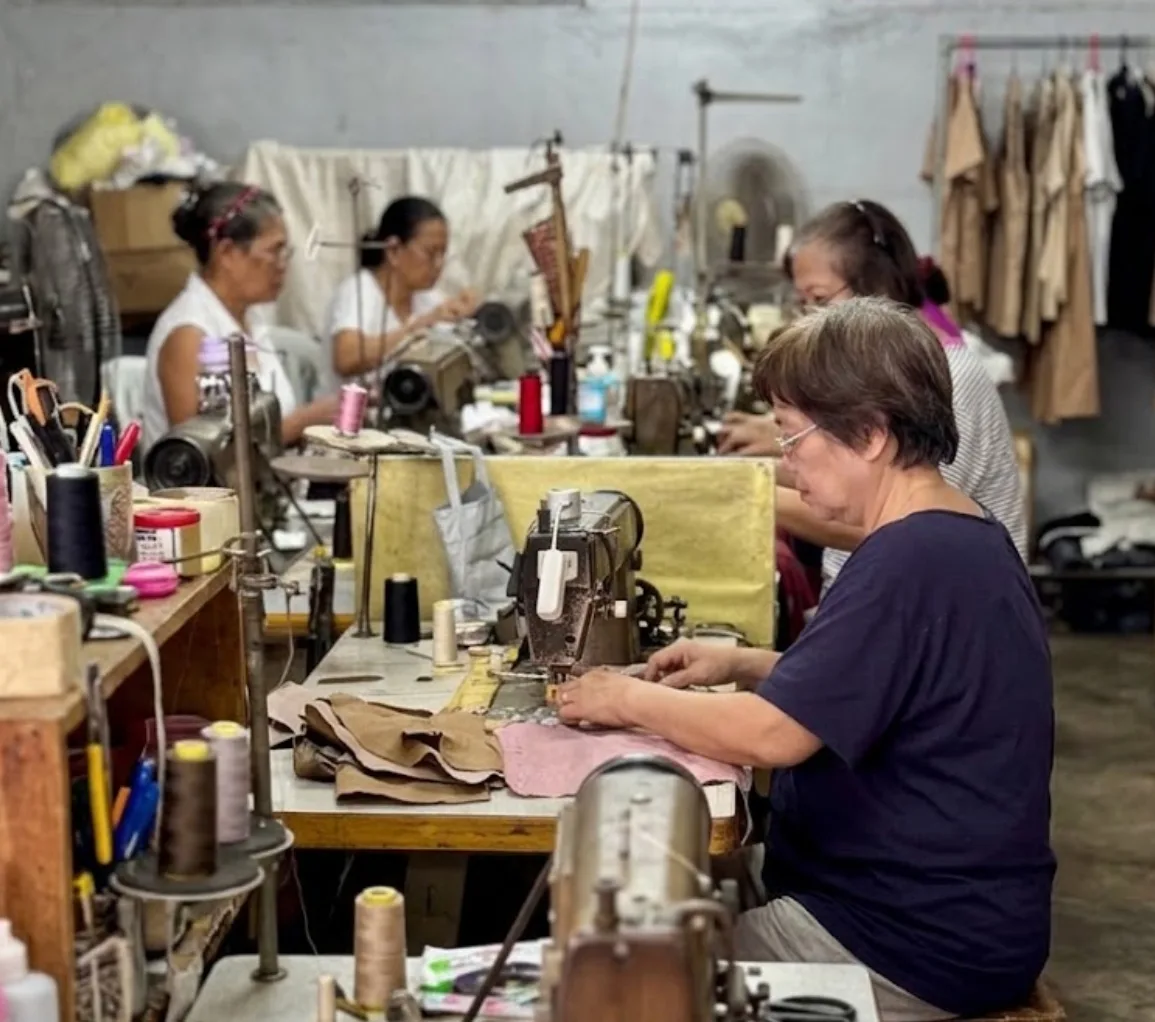
There is another Bohol beyond its most photographed attractions, and it is found in ordinary places: farms, markets, small businesses, local celebrations, fishing communities, and town centers. A Philippine Information Agency feature about Boholano life, for example, describes how rice and household food traditions have influenced everyday expressions and family routines. The province's tourism planning has also increasingly emphasized community-based tourism, local products, environmental protection, and participation from small businesses and local stakeholders. That creates an interesting contrast: Bohol can be a destination of resorts and international visitors while remaining deeply connected to rural communities and long-standing traditions. You can spend one part of a trip beside the sea and another surrounded by farms, heritage buildings, or local food production. Perhaps that contrast is one of the best answers to the question of what makes Bohol “Bohol.” It isn't only the famous places—it is the way nature, history, food, community, and tourism exist alongside one another.