Cotta Fort and Birhen sa Cotta Shrine: Where Ozamiz History Begins
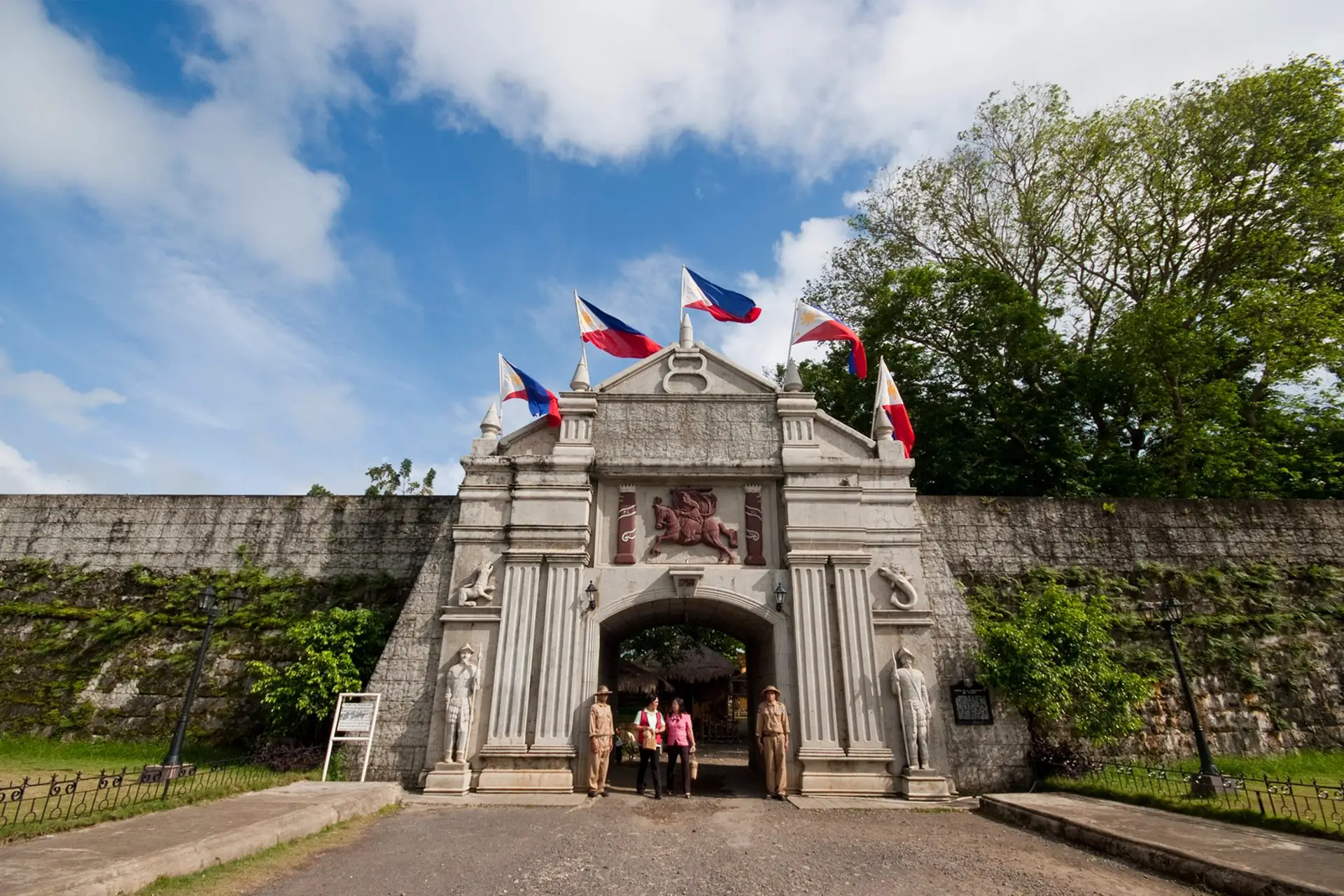
OZAMIZ CITY - A visit to Ozamiz's historic side can begin at Fuerte de la Concepcion y del Triunfo, better known as Cotta Fort. The National Historical Commission of the Philippines identifies the structure as a National Historical Landmark and records its construction in 1756. The Department of Tourism Northern Mindanao describes the fort as a Spanish-era citadel built by Jesuit priest Jose Ducos, with four bastions and a long connection to the city's religious history. Beside the fort is the Birhen sa Cotta Shrine, which received particular attention in July 2026 when a CBCP delegation visited the site. Together, the two offer visitors history, architecture, and devotion in one waterfront stop.
Immaculate Conception Cathedral: A Landmark of Faith and Architecture
A short distance from Cotta is the Immaculate Conception Cathedral, another important part of Ozamiz's historical landscape. The National Commission for Culture and the Arts' Talapamana database identifies the Cathedral of Immaculate Conception of Ozamis as a tangible, immovable heritage property and attributes the work to National Artist for Architecture Leandro V. Locsin. A 2026 travel source also lists the cathedral among Ozamiz's principal attractions, while current parish information confirms that it continues to function as a place of worship. Its importance is therefore not limited to its age or architecture; it remains part of the city's living religious landscape, allowing visitors to encounter heritage that continues to have a role in everyday community life.
Bukagan Hill and The Women's Auxiliary Service Historical Site: Stories Beyond the Usual Tourist Stops
For a different perspective, Bukagan Hill connects Ozamiz's landscape with a distinctive piece of its history. The provincial government records that four large bells were installed there in 1948 after they proved too large and heavy for the cathedral's belfry; a 2026 travel guide continues to identify the hill and its bell tower as an Ozamiz attraction. Another worthwhile stop is the Women's Auxiliary Service historical site, which is less commonly mentioned in ordinary sightseeing lists. The NHCP registry identifies it as a Level II historical marker site, recording that the Women's Auxiliary Service organized in Ozamis in 1943 under Josefa Borromeo Capistrano to assist the resistance during World War II. Together, these places broaden a heritage itinerary beyond the city's better-known religious landmarks.