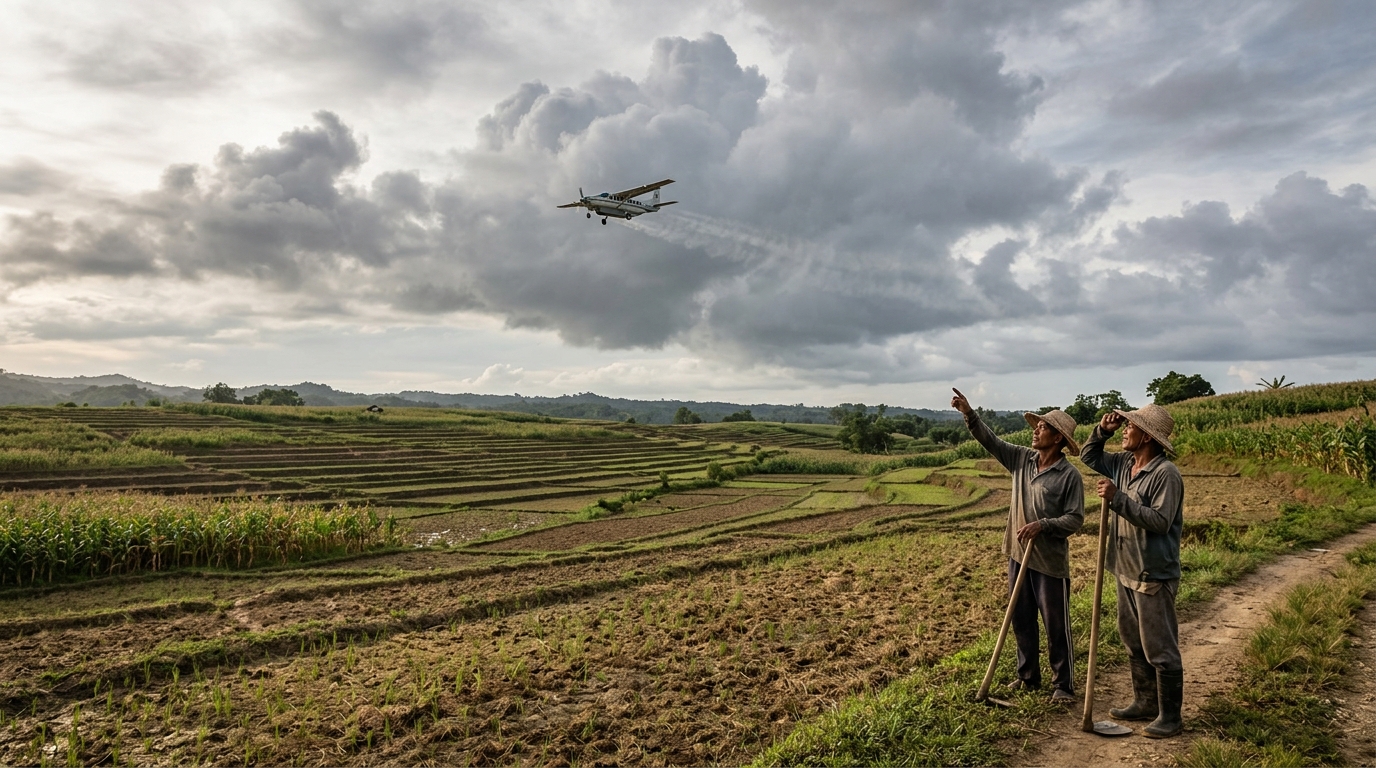
Bohol — In a proactive move against the predicted onset of El Niño, the Provincial Disaster Risk Reduction and Management Council (PDRRMC) of Bohol has officially backed a request for cloud seeding operations to ensure agricultural stability. With meteorological data indicating a high probability of below-normal rainfall in the coming months, provincial authorities are moving to mitigate potential damage to rice and corn production. This effort involves a close partnership between the provincial government, the Bureau of Soils and Water Management, and the Philippine Air Force to identify and seed favorable cloud formations. It represents a swift and calculated measure to protect the province's food security and the livelihoods of thousands of farmers who depend on seasonal rain.
Preparedness in the Face of Drought
The decision to pursue cloud seeding is rooted in a data-driven outlook from PAGASA, which warns of a strong El Niño presence likely to persist until early 2027. Recognizing that the province relies heavily on consistent rainfall, the government has preemptively set aside funds to ensure that critical crops do not suffer from the extended dry spells. This approach reflects a high level of disaster readiness, prioritizing the stabilization of water levels in reservoirs and farmlands before the worst of the drought arrives. It is a necessary intervention that serves as a vital safeguard for the provincial agricultural calendar.
Inter-Agency Coordination
Executing a cloud seeding operation is a precise process that requires the seamless integration of various agencies, including the Office of the Provincial Agriculturist and the Philippine Air Force. The collaborative framework ensures that operations are conducted only when atmospheric conditions are optimal, maximizing the potential for rainfall over targeted agricultural zones. By following this inter-agency protocol, the province ensures that its resources are used efficiently and effectively to produce the desired result. This level of cooperation demonstrates that the region has a mature and robust disaster response structure in place.
Stabilizing Rural Livelihoods
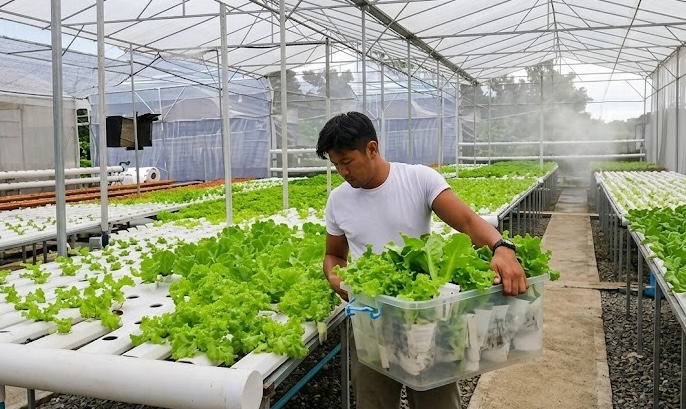
For the typical Boholano farmer, the threat of El Niño is a source of significant anxiety, as drought can often mean the total loss of a season's income. The government’s move to intervene with cloud seeding offers a layer of protection that helps farmers plan their planting cycles with more certainty. By maintaining a reliable irrigation and water supply strategy, the administration is reinforcing its support for the local rural workforce. Every successful seeding mission helps to keep the province’s economy resilient, ensuring that the agricultural sector can continue to thrive despite the volatility of the changing climate.