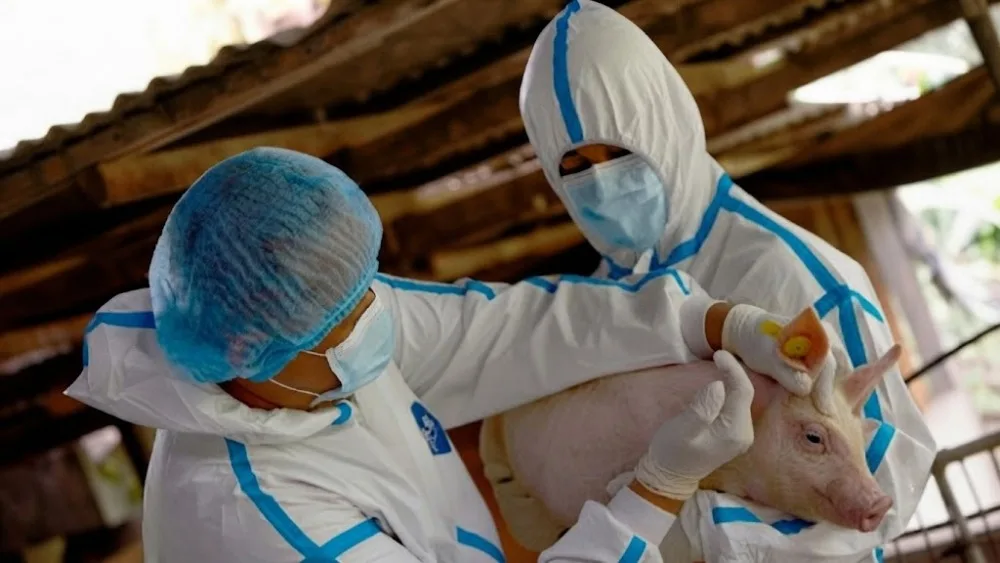
CAGAYAN DE ORO — The Philippine government has taken a definitive step toward agricultural independence with the launch of the Animal Vaccine Development Program (AVDP), a PHP140.9-million initiative aimed at revitalizing the nation's livestock sector. Spearheaded by the Department of Agriculture in partnership with academic and research institutions, this program focuses on creating locally produced vaccines tailored to domestic pathogen strains. By shifting away from a reliance on expensive imported veterinary products, the country aims to build a more resilient swine and poultry industry. This proactive strategy is designed to safeguard the livelihoods of farmers while ensuring a stable and secure food supply for every Filipino household.
Establishing Advanced Research Facilities For High-Risk Disease Mitigation
Central to the program is the creation of a specialized Biosafety Level 3 laboratory, which will provide Filipino scientists with the infrastructure needed to handle high-risk animal pathogens safely. This facility is set to become the heart of the nation’s veterinary research, facilitating advanced studies, technical training, and rapid response efforts during potential disease outbreaks. By focusing initial development on vaccine candidates for African Swine Fever and Foot-and-Mouth Disease, the project directly addresses the most pressing threats to local hog and carabao populations. This commitment to world-class scientific infrastructure ensures that researchers can accelerate the development of life-saving interventions that are specifically calibrated to the unique challenges of the Philippine environment.
Leveraging Local Scientific Expertise To Combat Persistent Pathogen Strains
Lawmakers and agricultural officials alike are championing this initiative as a victory for Filipino ingenuity, highlighting the potential for local scientists to outperform generic imported alternatives. Because these new vaccines are developed specifically for domestic pathogen strains, they offer superior efficacy and stability compared to products formulated for different global climates or livestock varieties. This targeted approach is expected to reduce the financial burden on small-scale raisers who often struggle with the rising costs of animal healthcare and recurring disease outbreaks. As the industry recovers and evolves, this program provides a clear path forward for sustainable production that protects both the health of the animals and the profitability of the regional markets.
Strengthening National Resilience Through Collaborative Agricultural Development Frameworks
Beyond the immediate goal of vaccine production, the program fosters a collaborative ecosystem involving the Bureau of Animal Industry, the Philippine Carabao Center, and Central Luzon State University. This inter-agency partnership ensures that research translates into practical applications that can reach rural raisers, from major trade hubs to smaller community markets. The multi-year funding commitment, spanning through 2028, guarantees that the program has the necessary resources to survive the long-term process of development, testing, and eventual commercialization. As these efforts gain momentum, they contribute to a broader culture of innovation that makes the country’s agricultural landscape more attractive to investors and safer for the families who rely on it for their daily sustenance.