More Than Decoration: Twenty Familiar Faces of Ozamiz
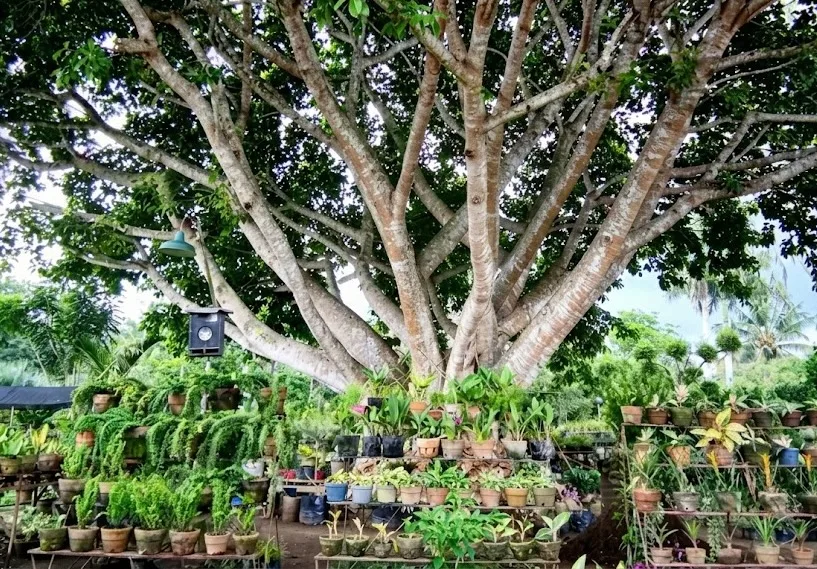
OZAMIZ CITY - Among the plants frequently documented in Ozamiz City are coconut, banana, mango, papaya, calamansi, bamboo, hibiscus, bougainvillea, santan, snake plant, aloe vera, orchids, lucky bamboo, golden pothos, money tree, croton, rubber plant, areca palm, frangipani, and ixora. Their popularity comes from different purposes—food production, ornamental landscaping, shade, privacy, or ease of maintenance. Rather than existing in separate categories, these species often share the same spaces, where flowering shrubs stand beside fruit trees and ornamental foliage softens residential surroundings. Their presence reflects practical choices made by homeowners, schools, businesses, and public spaces across the city.
Plants That Blend Beauty With Everyday Use
One striking characteristic of Ozamiz City's plant life is how ornamental and functional species coexist. Coconut palms and banana trees contribute food and livelihood, while flowering plants such as hibiscus, bougainvillea, and santan add color to front yards and sidewalks. Indoor favorites including snake plants, pothos, aloe vera, and rubber plants remain popular because they adapt well to tropical conditions with manageable care. Fruit-bearing trees like mango, papaya, and calamansi also fit naturally into residential landscapes, allowing families to enjoy both greenery and harvests from the same property. The result is a streetscape where usefulness and visual appeal grow side by side.
A Living Portrait of the City's Climate
The collection of commonly observed plants offers subtle clues about Ozamiz City's environment. Warm temperatures, seasonal rainfall, and abundant sunshine support species that thrive throughout much of the year without intensive maintenance. These conditions encourage residents to cultivate gardens that combine tropical flowers, leafy ornamentals, and productive fruit trees instead of relying on purely decorative landscapes. While architectural styles may evolve over time, the city's vegetation continues to provide continuity from one neighborhood to another. In many ways, the familiar plants growing across Ozamiz become an informal map of its climate, culture, and everyday appreciation for green spaces.