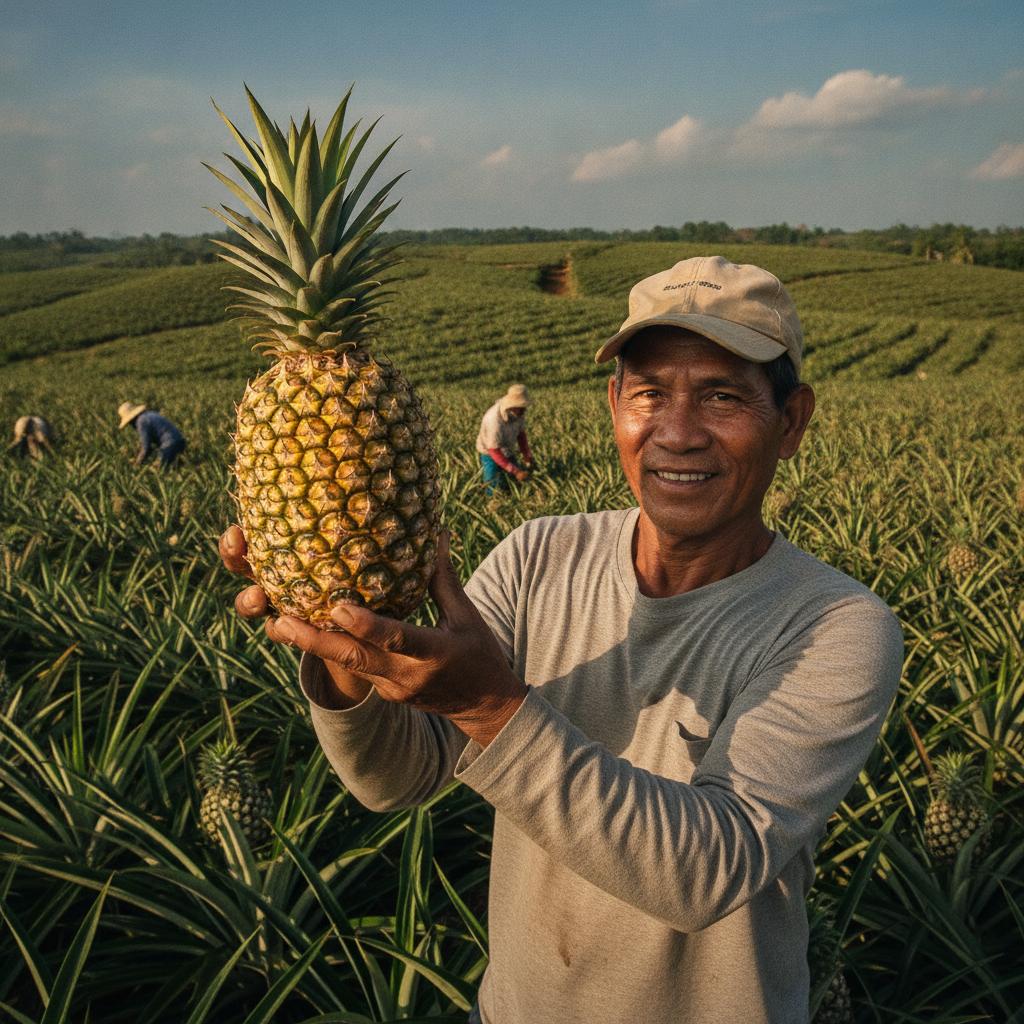
The Philippines is on track to secure full access to the United States market for its pineapple exports by the end of this year, a pivotal development poised to significantly boost the nation's agricultural sector. This anticipated opening signals a strengthened trade relationship and recognition of the quality of Philippine produce on the global stage.
Decoupling APHIS Port Restrictions and Implementing the Smooth Cayenne Lineage Standard
The news, reported by The Manila Times, brings optimistic prospects for local farmers and the broader Filipino economy. Full market access means the removal of existing trade barriers, potentially allowing for increased volumes of Philippine pineapples to reach American consumers. This expansion is expected to translate into higher demand and more stable prices for producers, offering a much-needed shot in the arm for an industry that employs a significant portion of the rural population in the Philippines.
This development holds considerable weight for countless Filipino families. For farmers and agricultural workers, it means enhanced income stability and potentially new job opportunities within the pineapple industry, from cultivation to processing and logistics. A thriving agricultural export sector can create a ripple effect, stimulating local economies in farming regions and contributing to overall national growth. This economic uplift can provide more viable livelihood options within the Philippines, potentially reducing the pressure on some individuals to seek employment overseas. The Philippines has long been a key player in the global pineapple market, known for its sweet and high-quality varieties. Gaining full US market access not only validates this reputation but also positions the country for greater export revenues, which are crucial for the national treasury and for funding public services that benefit all Filipinos.
For Filipinos, both at home and abroad, this news represents a positive step towards economic resilience. A stronger domestic economy, fueled by successful export industries like agriculture, can lead to better opportunities and improved living standards for families. Overseas Filipino Workers (OFWs) often send remittances home to support their families, and a robust local economy can help ensure that these funds go further and that their loved ones have more options for sustainable livelihoods within the country. This move underscores the importance of supporting local industries and highlights the potential for Philippine products to compete and thrive internationally. It encourages continued investment in agricultural infrastructure and practices, ensuring the long-term sustainability and competitiveness of Filipino produce in the global market.