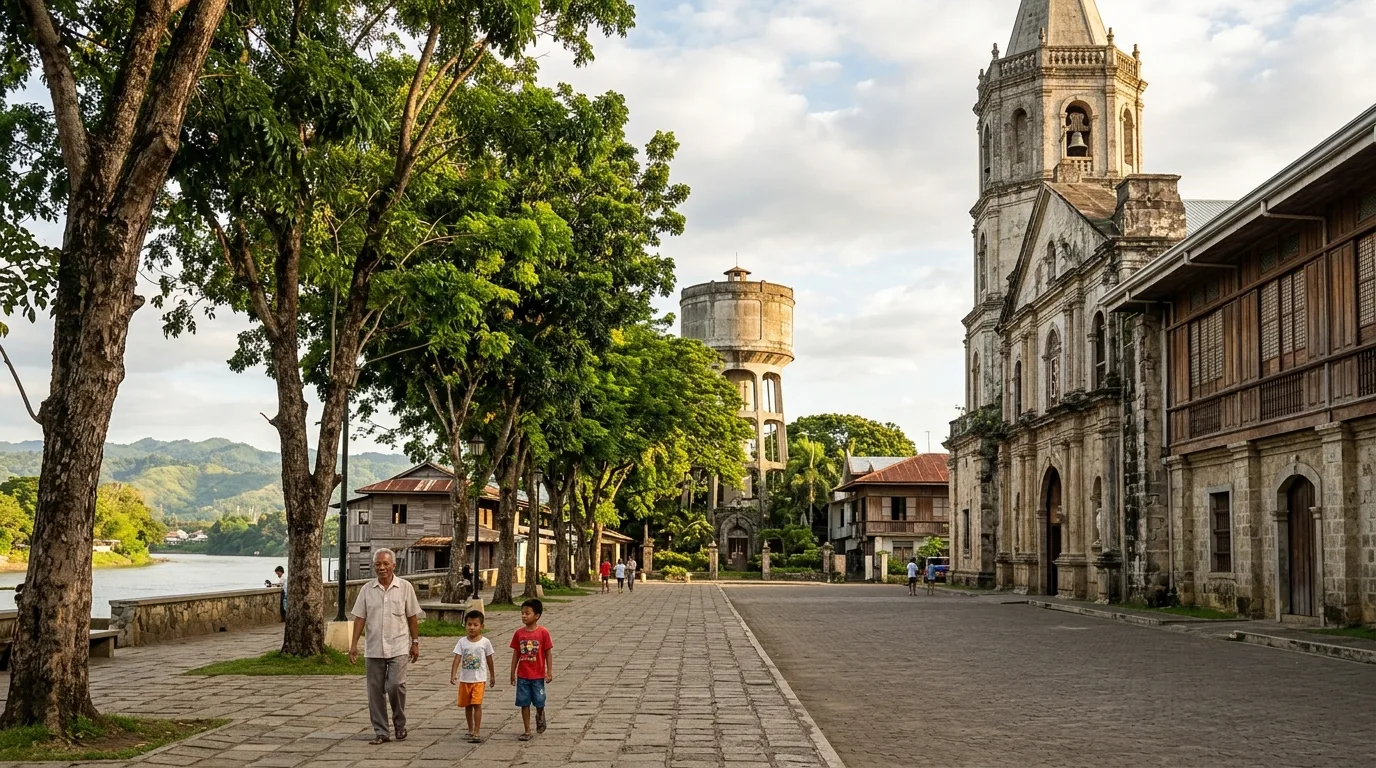
Cagayan De Oro — Walking through the historical heart of Cagayan de Oro reveals a fascinating narrative carved into stone, wood, and street layouts that far predate modern commercial hubs. Beneath the rapid urban growth and booming commerce lies a rich architectural tapestry that tells the story of a resilient riverfront community. Old structures, centuries-old plazas, and heritage landmarks offer visitors and local residents a rare window into the cultural transformations that shaped Northern Mindanao. By examining these historical anchors, one can decode how CDO evolved from a modest riverside settlement into the thriving "City of Golden Friendship."
Riverfront Roots and Indigenous Settlements
The geographic positioning of Cagayan de Oro’s oldest landmarks reveals how vital the river ecosystem was to early inhabitants. Sites near the Cagayan River, such as Huluga Caves and early settlement grounds, highlight an ancient trading hub where indigenous groups lived and traded long before colonial arrival. As the Spanish period took hold, the civic layout shifted toward the classic plaza complex, centering community life around public gathering areas. Navigating the historic district with guides from Tripadvisor helps visitors trace how early river traders adapted their lifestyle around natural waterways and surrounding hillsides.
Architectural Resilience and Colonial Crossroads
The enduring structures in downtown CDO stand as physical monuments to the city's remarkable history of rebuilding after wartime destruction. The iconic Saint Augustine Metropolitan Cathedral, originally constructed in the 1600s and rebuilt after World War II, features century-old stained glass windows and classic wooden elements that showcase colonial craftsmanship. Surrounding heritage structures, including the classic Water Tower (now the City Museum) built in 1922, demonstrate how local leaders prioritized public infrastructure and civic utility. These preserved sites reflect a community that has continually honored its spiritual and cultural identity through centuries of geopolitical change.
Civic Plazas and the Birth of Modern Public Life
Beyond individual buildings, open public spaces like Gaston Park tell the story of Cagayan de Oro’s political and social evolution. Originally serving as a Spanish training ground and later a execution site during wartime conflicts, the park was transformed into a peaceful green space that hosted the execution of early civic functions. Today, surrounded by historical markers and bustling local markets, it represents the city's enduring commitment to accessible public gathering. Exploring these historical footprints through regional guides on Guide to the Philippines demonstrates that CDO's identity as a welcoming, friendly city is rooted in a long tradition of shared community spaces.