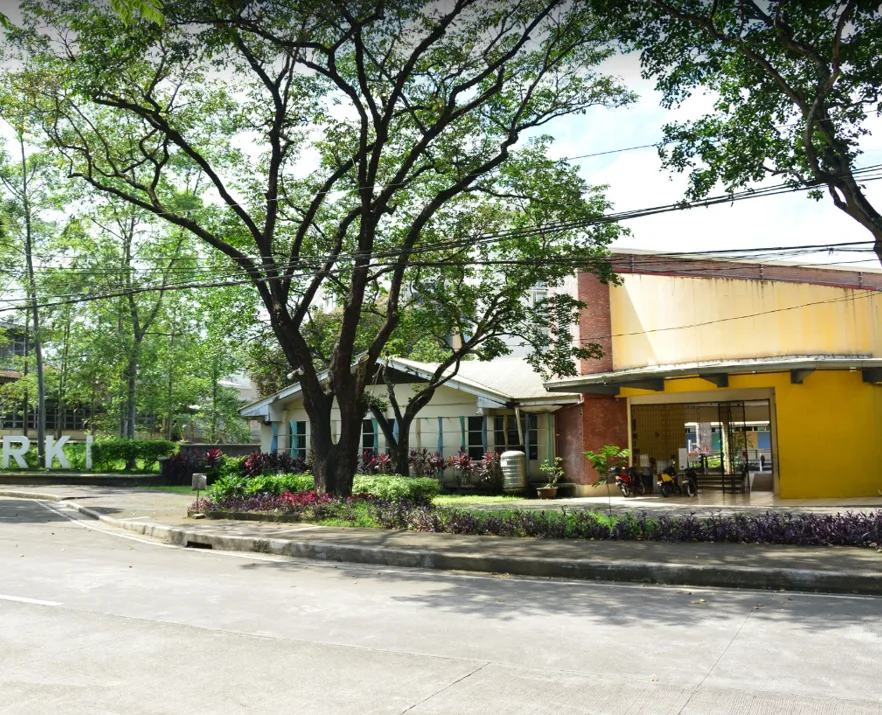
CAGAYAN DE ORO — The University of the Philippines Diliman has once again solidified its reputation as a premier institution for design and structural engineering, maintaining a perfect 100% passing rate in the June 2026 Architect Licensure Examination. All 25 examinees from the college successfully passed the board exam, continuing a remarkable three-year streak of flawless performance. This consistent level of success speaks volumes about the intensity of the university's architectural curriculum, which demands both creative vision and rigorous technical precision from its students. As these newly licensed architects prepare to join the professional workforce, they do so with a foundation of excellence that sets a high benchmark for the industry.
Nurturing Future Leaders Through Comprehensive Architectural Design Education
The consistent success of UP Diliman examinees is the result of a holistic approach to architectural education that balances theoretical study with real-world application. Students are trained to think critically about urban planning, heritage conservation, and sustainable building technologies, ensuring they are well-prepared for the multifaceted demands of the professional world. By providing access to state-of-the-art studio facilities and mentorship from industry-leading practitioners, the college fosters an environment where design innovation thrives. This rigorous training ensures that every graduate is not only capable of passing the licensure exam but is also ready to contribute meaningfully to the country’s architectural landscape.
Expanding Accessibility Through Nationwide Licensure Examination Testing Centers
The June 2026 licensure examinations were conducted simultaneously across a wide network of testing centers to ensure accessibility for architecture graduates from every corner of the archipelago. The locations where the examination took place include the National Capital Region, Baguio, Cagayan de Oro, Cebu, Davao, Iloilo, Legazpi, Lucena, Pampanga, Rosales, Tacloban, Tuguegarao, Zamboanga, and Puerto Princesa in Palawan. This widespread distribution allowed thousands of examinees to take the crucial step toward their professional careers in environments that were familiar and convenient. By hosting exams in these key hubs, the Professional Regulation Commission enables a more inclusive path for aspiring architects to participate in the nation’s growing construction and design sectors.
Shaping The Future Of Urban Spaces And Infrastructure Projects
With 2,799 new architects now licensed nationwide, the Philippine construction and hospitality sectors are poised to benefit from an influx of fresh, highly trained talent. These professionals will soon be at the forefront of designing everything from iconic luxury hotels and beachfront resorts to innovative urban cafes and neighborhood retail stores. Their role in shaping the physical environment—particularly in tourist-heavy regions that require a balance between modern amenities and ecological preservation—is more vital than ever. As they transition from the classroom to the field, these architects carry the responsibility of creating functional, aesthetically pl