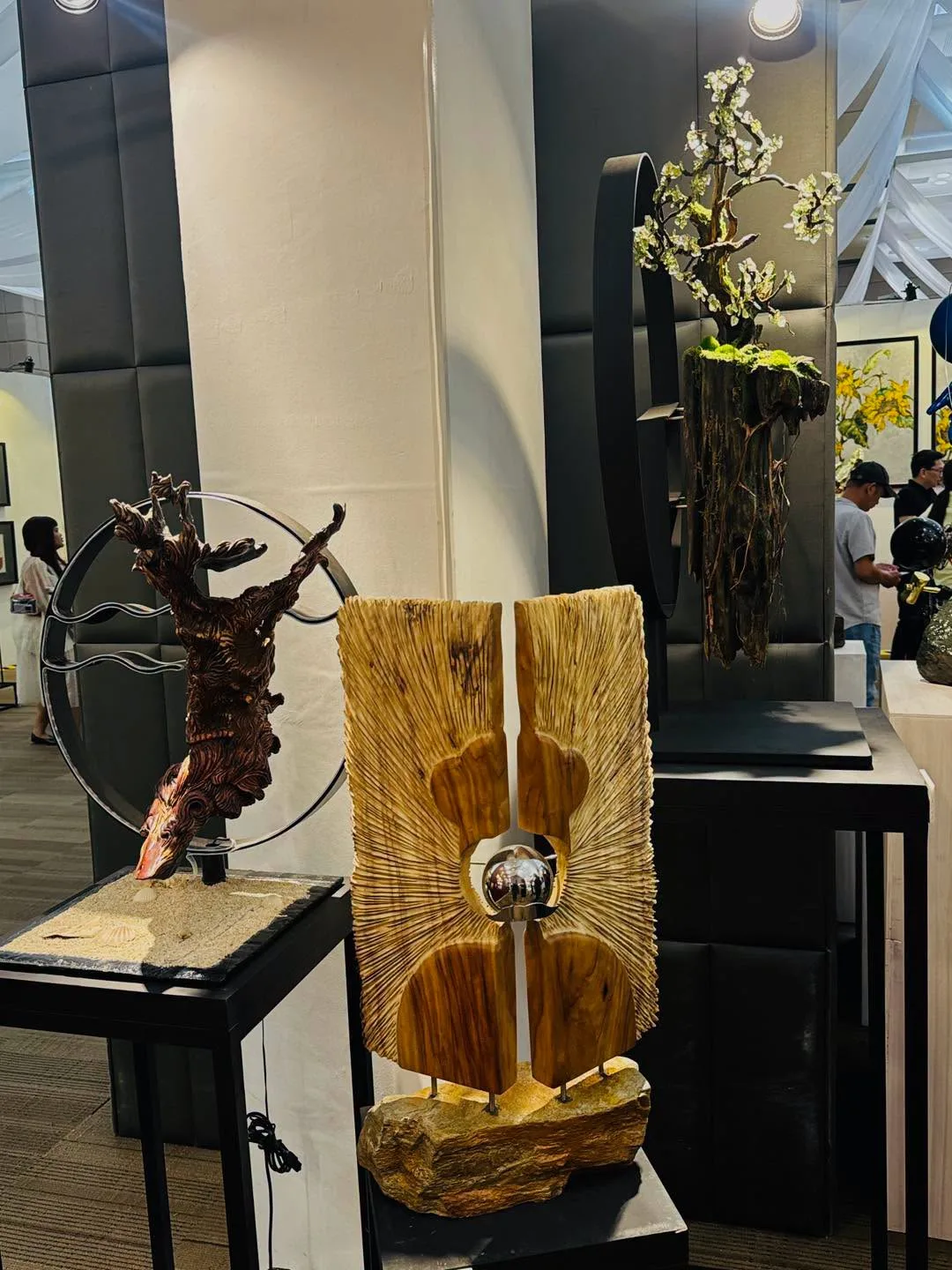
CAVITE, PHILIPPINES — The lines dividing regional folk art and high-end metropolitan galleries are completely blurring. While the massive canvas booths of ManilART 2026 are currently packed inside the SMX Aura Convention Center in Taguig City, the true heartbeat of this year's exhibition stretches far beyond the borders of Metro Manila. Running until October 18, 2026, the 18th edition of the country's premier national art fair—co-presented by the National Commission for Culture and the Arts—is actively proving that the future of Philippine visual culture lies heavily in provincial storytelling.
Cavite's Contemporary Art Collectives Take Center Stage
Under this year's overarching theme, "Where the Line Begins," the fair gathers over 600 creators. However, the unexpected showstopper is the heavy representation from South Luzon, highlighted by a dedicated regional showcase spotlighting Cavite's contemporary art collectives. Instead of relying on predictable pastoral landscapes or purely historical imagery, these home-grown provincial talents are bringing raw, cutting-edge commentary to the capital—mixing local folklore, industrial growth anxieties, and coastal themes into stunning modern installations. The presence of Cavite's artists at the national fair reflects the province's vibrant creative community, which has been actively nurtured through initiatives like the Cavite Art Fair and the Local Artists and Culture Bearers Registry developed in partnership with the DTI. These programs have provided local creators with platforms to showcase their work, gain recognition, and connect with broader audiences, and their participation in ManilART 2026 represents the culmination of these sustained efforts to elevate Cavite's artistic identity on the national stage.
A Living, Democratic Map of Filipino Creativity
By centering regional narratives right alongside national heavyweights and legacy retrospectives, the exhibition moves away from being a mere trade show for high-net-worth collectors. It functions instead as a living, democratic map of the islands. If you are heading down to Taguig this weekend, do not just look at the household names; look for the brilliant regional pavilions that prove the most exciting visual revolutions are happening just outside the borders of the metro. The inclusion of provincial artists in a nationally recognized fair like ManilART is a significant step toward decentralizing the art scene and ensuring that the diverse stories and perspectives of Filipinos from all regions are represented and celebrated.