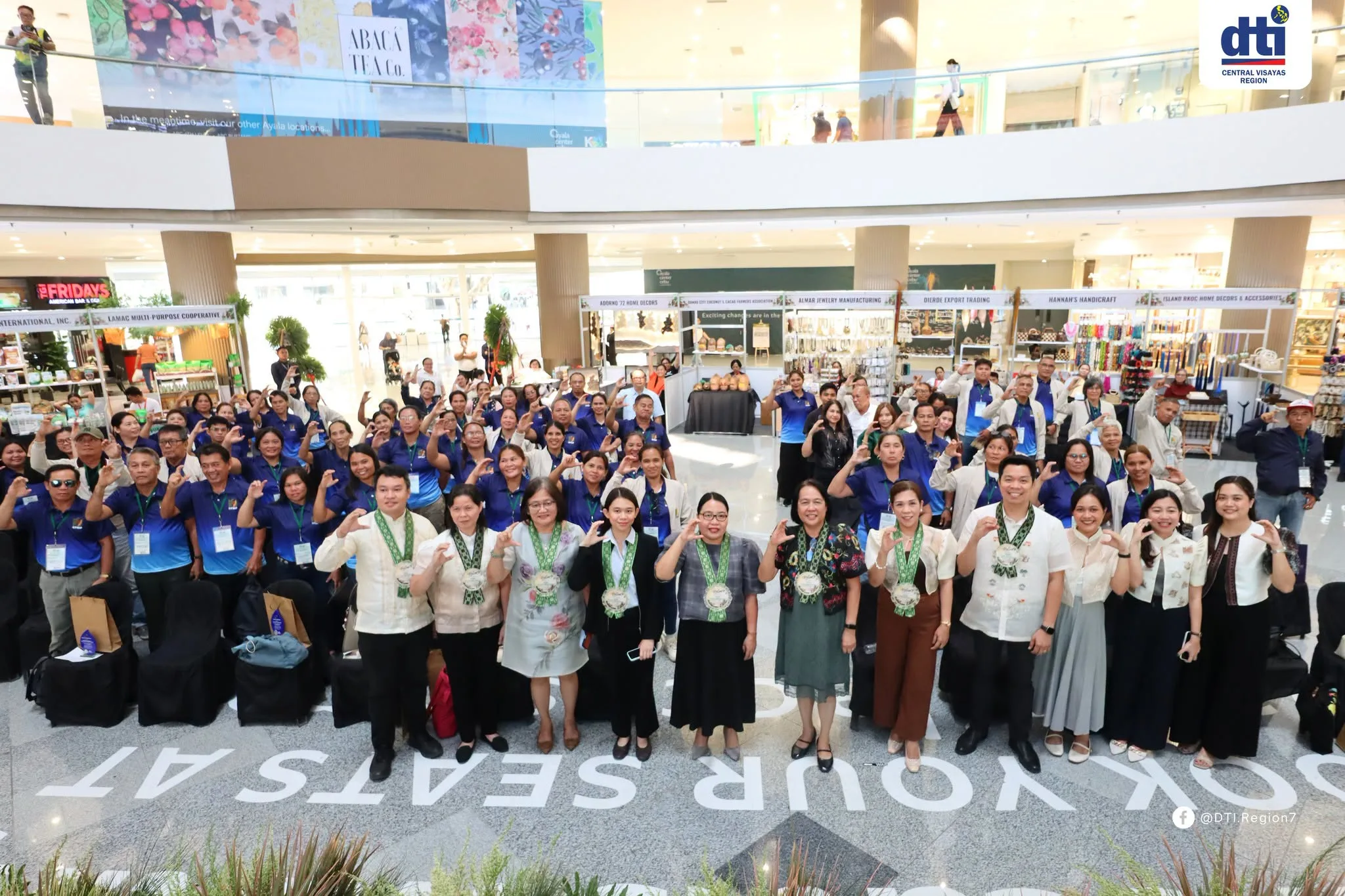
CEBU — The 2026 Coco Negosyo – Cebu Coconut Market Expo officially opened on August 20 at the Ayala Center Cebu Activity Center, marking a milestone for the local coconut industry. The four-day event, running until August 23, brings together coconut farmers, MSMEs, cooperatives, and industry stakeholders under one roof.
A Platform for Coco-Preneurs
The expo features a Coco Bazaar with 25 exhibitor booths, providing enterprises with opportunities to showcase their products and connect with potential buyers. These exhibitors are CFIDP-vetted MSMEs and coconut farmers registered under the National Coconut Farmers Registry System (NCFRS). The platform allows them to gain market exposure while demonstrating the industry's potential.
Held in celebration of the 40th National Coconut Week, the event carries the theme "Lubi, Bahandi sa Kinaiyahan, Kusog sa Panginabuhian." The theme highlights the coconut's value as both a natural treasure and a source of livelihood. The expo serves as a convergence point for production, enterprise development, and market access.
Moving Beyond Raw Materials
DTI 7 Acting-Assistant Regional Director Epifania Suralta emphasized the need for coconut stakeholders to evolve from raw producers to innovative entrepreneurs. She encouraged farmers and entrepreneurs to focus on creating higher-value products, developing brands, and exploring new markets. The future of the industry depends on how much value can be created from the coconut.
Suralta stressed that market access must be accompanied by capability. Enterprises need to understand their markets, improve pricing and packaging, and maximize digital platforms. This shift toward value-adding is central to the government's strategy for coconut industry development.
Government Programs Drive Growth
DTI's Negosyo Centers provide entrepreneurs with business advisory services and referrals to appropriate programs. The One Town, One Product (OTOP) Philippines Program supports MSMEs in developing improved products with better quality, design, and packaging. Coconut products are among those covered by this initiative.
Shared Service Facilities (SSF) provide MSMEs and organized groups with access to equipment and technology that improve productivity. These interventions complement the Coconut Farmers and Industry Development Plan (CFIDP). Together, they create an environment where coconut enterprises can produce better and innovate more.
A Whole-of-Industry Approach
Suralta emphasized that the growth of the coconut industry requires collective effort. Farmers, cooperatives, entrepreneurs, government agencies, and consumers all play vital roles. The expo serves as a platform for strengthening collaboration among these stakeholders.
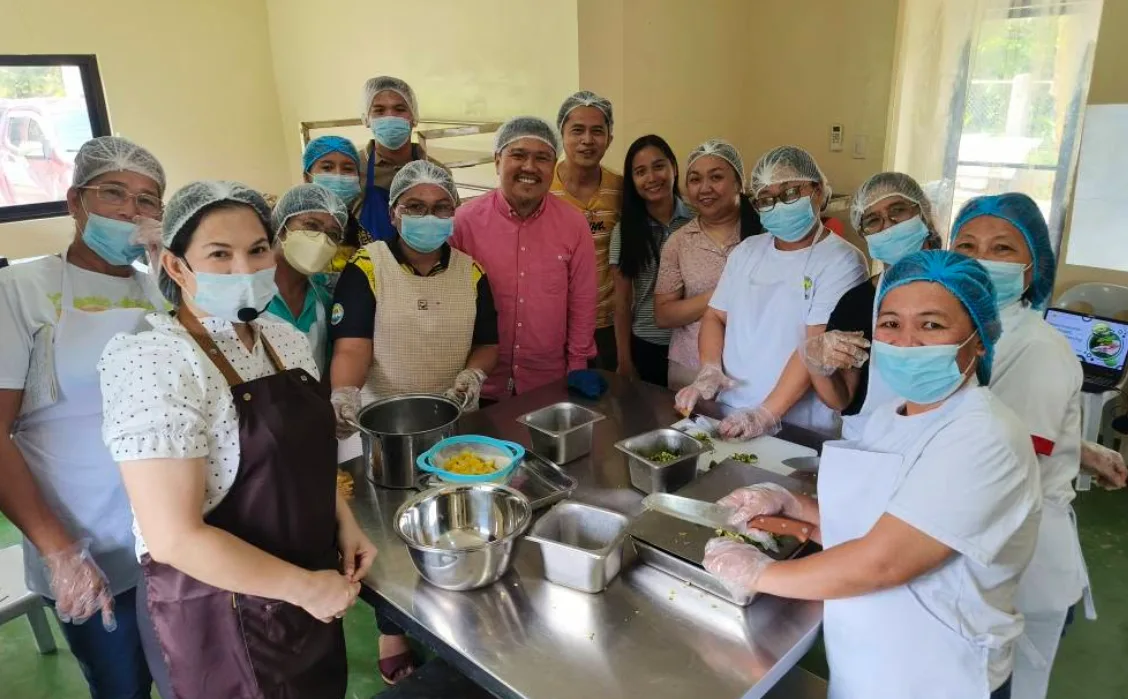
Beyond the exhibition, the expo includes a Techno Forum, training sessions on costing and marketing, and online marketing workshops. A Women Farmers Forum and coconut painting activities add diversity to the program. These activities aim to strengthen the capabilities of coconut stakeholders and encourage innovation.
Supporting Local Enterprises
The Coco Bazaar features a diverse range of coconut-based products, from food and beverages to creative home décor. Participating enterprises like Dierde Export Trading and Adorno '72 Home Decors showcase the versatility of the humble lubi. The event provides a dedicated platform for these coco-preneurs to tell their stories and build their brands.
The expo is more than a product exhibition; it is a catalyst for sustainable business growth. It demonstrates how government programs and community partnerships can transform a traditional industry. The 2026 Coco Negosyo Expo stands as a testament to the enduring potential of the Philippine coconut.