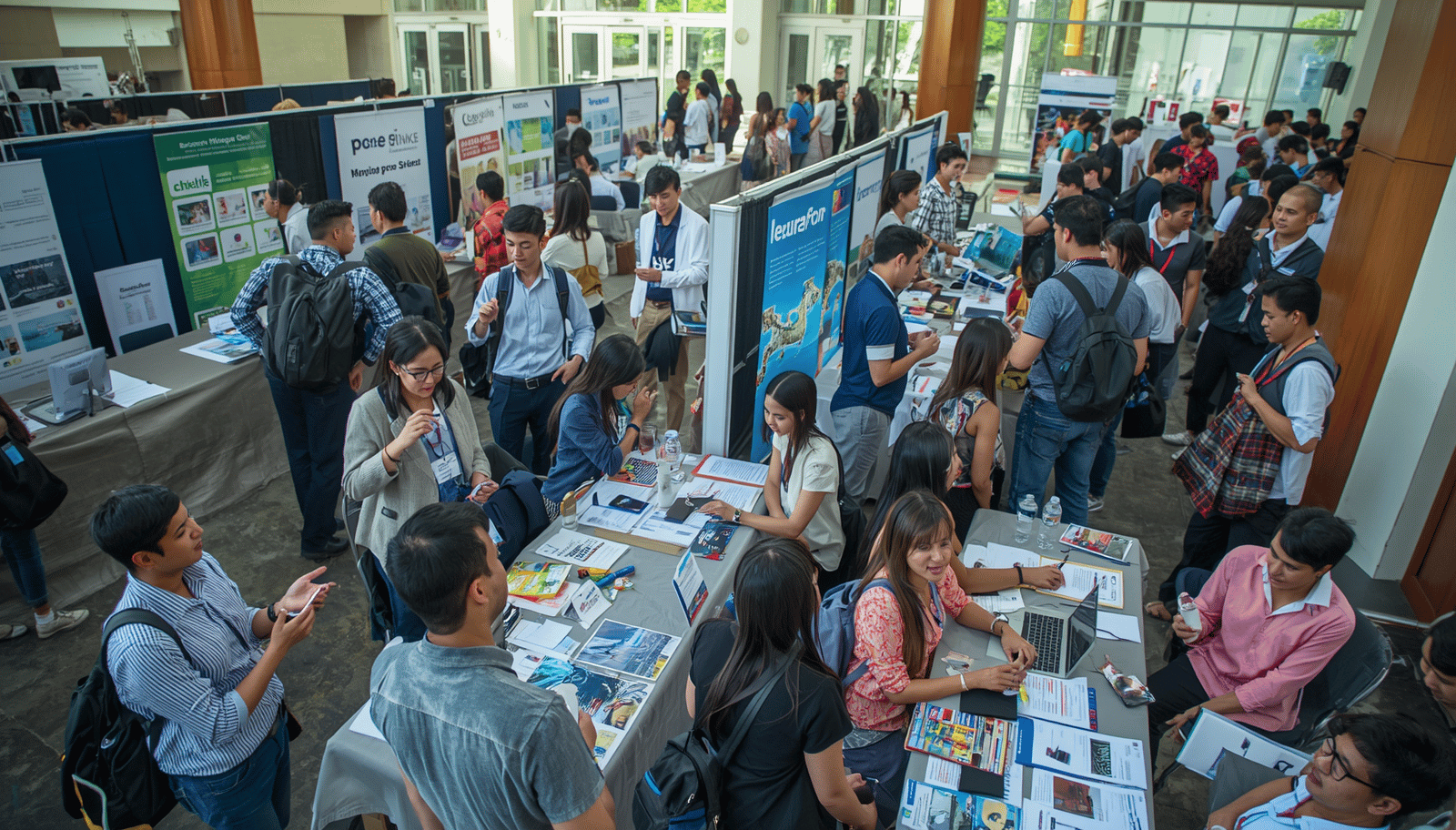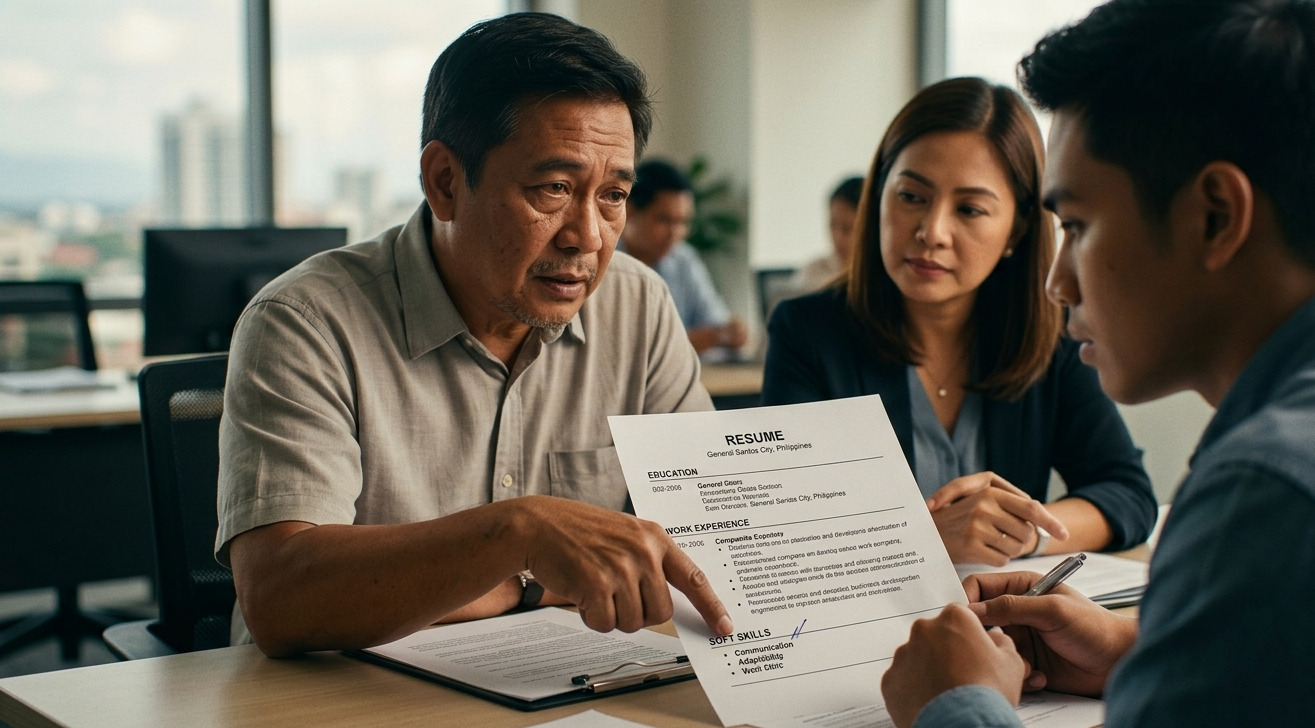


The municipal leadership inside the Lapu-Lapu City Hall, located along the historic tourism pathways of Mactan Island, initiated an intensive workplace performance review during their weekly management assembly on Monday, May 18, 2026. Directed by Mayor Cindi King-Chan, city administrators gathered to analyze whether the local government should maintain its compressed four-day workweek or restore traditional five-day operations. Originally deployed as a strategic cushion against economic supply strains triggered by international trade blockades, the shortened schedule is being measured against actual public service delivery metrics. A definitive structural announcement regarding the future of the local public workforce's calendar is scheduled for early next month.
Measuring Public Transaction Velocity Against Energy Conservation
The administrative review weighs the financial utility savings gained from keeping public buildings dark for an extra day against the speed of everyday citizen transactions. Under the compressed layout, civil servants work extended daily schedules to complete their mandatory forty-hour weekly commitment without entering the offices on Fridays. While this setup successfully reduced the city’s electricity expenditures and water consumption during peak summer weeks, some residents from outlying island barangays report difficulties accessing regulatory permits on weekends. The performance evaluation will use physical logbook data to see if public processing times slowed down under the shortened calendar. This data-driven look ensures that any future schedule changes prioritize real citizen access over pure budget cuts.
Deploying Direct Support Networks for Mactan's Tourism Workforce
Alongside the corporate labor discussions, the city council authorized the immediate release of specialized financial aid packages to shield local tourism frontliners from fluctuating travel arrivals. Over 390 registered pump boat operators, island tour guides, and diving crew members are being integrated into a targeted ten-day cash-for-work community cleanup program. Participants receive a verified daily wage of ₱540, resulting in a reliable ₱5,400 financial buffer to stabilize household ledgers before the monsoon transition. This localized economic intervention demonstrates how coastal cities can protect their hospitality workers from wider global market changes. The project directly connects environmental maintenance with active family survival.
Expanding the Footprint of Subsidized Food Terminals
To complement the cash-for-work programs, Councilor Annabeth Cuizon confirmed the successful continuation of the city’s ₱20 Rice Program, operated in direct partnership with Food Terminal Inc. over twenty-one distinct selling cycles. The direct-sales agricultural initiative successfully distributed thousands of grain sacks to exactly 7,004 verified residents belonging to vulnerable sectors, including senior citizens and solo parents. By bypassing traditional commercial middle-brokers, the municipal program allows low-income kitchen managers to buy high-quality food staples at a fraction of standard supermarket costs. This aggressive food sovereignty effort proves that local governments can actively intervene to stabilize neighborhood living costs. Lapu-Lapu continues to balance structural labor reforms with direct community care.