

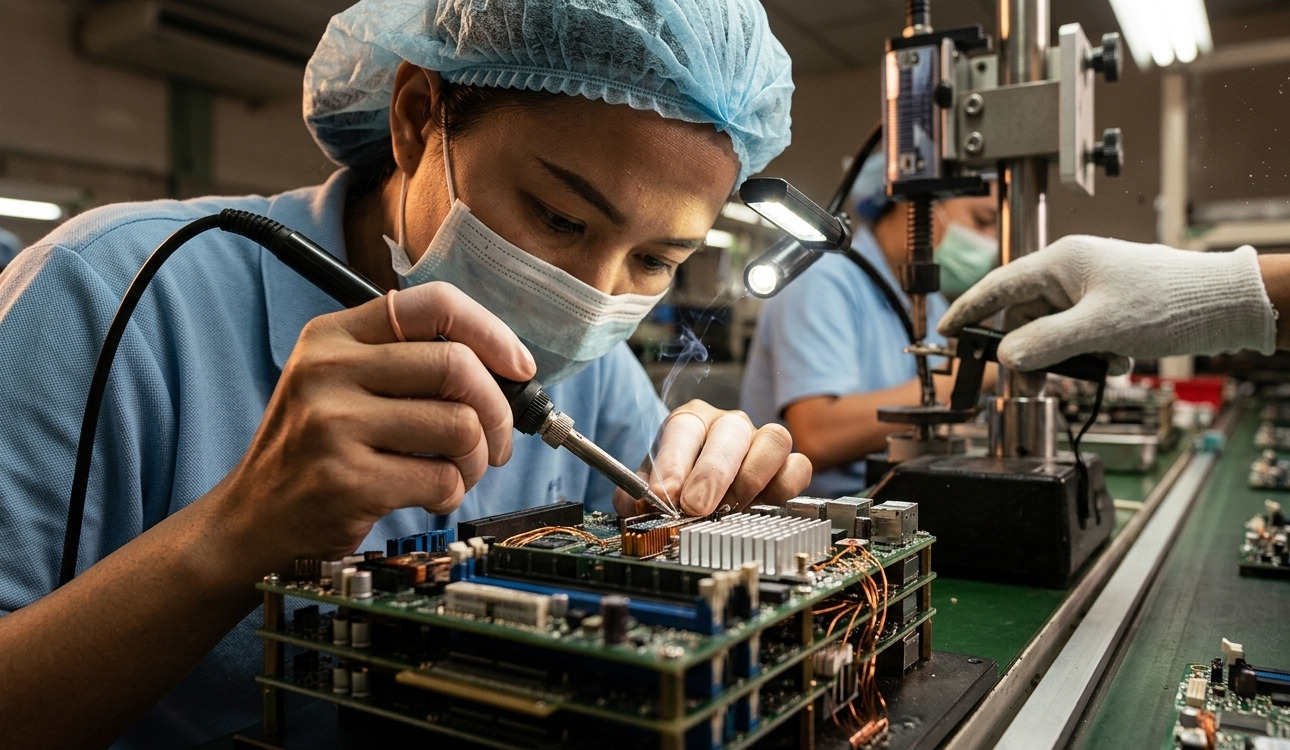
Why Technical Skills Remain Valuable
Technical work continues supporting industries that keep cities operational every day. Construction projects, equipment maintenance, and transport services all rely heavily on skilled workers. Employers consistently look for workers with hands-on experience and specialized certifications. Unlike some industries affected heavily by automation, many skilled trades still require physical expertise and field experience. Demand for practical labor remains strong.
Vocational Training Is Becoming More Relevant
Vocational education is attracting more attention because it offers direct pathways into employment. Training programs focused on welding, electrical systems, and mechanical work remain important for local industries. Some workers are choosing technical certifications because they can lead to faster employment opportunities. Practical training is increasingly viewed as a valuable alternative career route. Employment discussions are becoming more open to nontraditional educational paths.
The Labor Market Still Depends on Hands-On Work
Even as digital work expands, physical industries continue depending on technical manpower. Infrastructure projects, repairs, logistics operations, and industrial facilities all require skilled labor to function. This keeps trade-related employment relevant in growing regional cities like General Santos. Technical workers remain deeply connected to economic activity happening on the ground. The labor market continues balancing digital growth with essential hands-on industries.