CEBU CITY — As the global community observes World Food Day 2026 today, October 16, under the theme "Innovate today. Nourish tomorrow," Cebu stands at a critical crossroads in its journey toward food security. The province imports roughly 70 percent of its food supply and faced food inflation reaching 16.2 percent earlier this year, but it is actively innovating its way toward a more resilient future.
A Province That Must Feed Itself
Cebu's food security challenge is structural. The province produces only about 30 percent of its total rice and corn requirement locally, with per capita rice consumption at around 105 kilograms annually. Its corn sufficiency level is estimated at just 27 percent. In fisheries, annual production of approximately 30,000 metric tons falls drastically short of the 101,000-metric-ton demand.
These figures explain why the Regional Development Council in Central Visayas moved in June 2026 to create a joint Cebu-Bohol technical working group on food prices and food security. The group is tasked with tracing logistics bottlenecks and facilitating direct sourcing from local farmers and fishers to reduce consumer prices.
FAITH Program Brings Food to Every Home
Under Governor Pamela Baricuatro's leadership, the Cebu Provincial Government has rolled out programs that embody the World Food Day theme. The FAITH Program, launched in Bantayan Island in January 2026, distributes poultry, seeds, fertilizers, fishing gear, and agricultural inputs to households.
Beneficiaries received 356 heads of cockerels, 712 pullets, 258 sets of vegetable seeds, and 100 bags of white corn seeds, along with fish aggregating devices and hook-and-line fishing gear. The initiative ensures food is readily available at the family level, strengthening grassroots resilience.
Agrilink and People's Food Center Connect Farms to Markets
Agrilink is a Capitol-run market linkage program that connects farmers directly with buyers through an online platform. By eliminating intermediaries, it ensures farmers receive fair prices while consumers pay less. This digital innovation in agricultural trade exemplifies forward-thinking solutions.
Complementing Agrilink is the People's Food Center, which provides farmers and fisherfolk with rent-free stalls where they can sell produce directly. Together, the digital platform and physical marketplace create a dual-channel approach to food distribution benefiting both producers and consumers.
Mega Food Hub and Urban Agriculture
Perhaps the most significant infrastructure innovation is the proposed Cebu Mega Food Hub, which could begin taking shape this year in Naga City. The Department of Agriculture has inspected the government property and allocated initial funds. The facility will provide cold storage and post-harvest services.
Governor Baricuatro noted that Cebu has only four refrigerated storage units, a severe limitation contributing to food losses. In urban areas, Cebu City conducted training on Crop-Based Urban and Peri-Urban Agriculture Technologies, equipping 28 participants with knowledge in hydroponics and space-efficient farming.
Cooperatives and Community Action
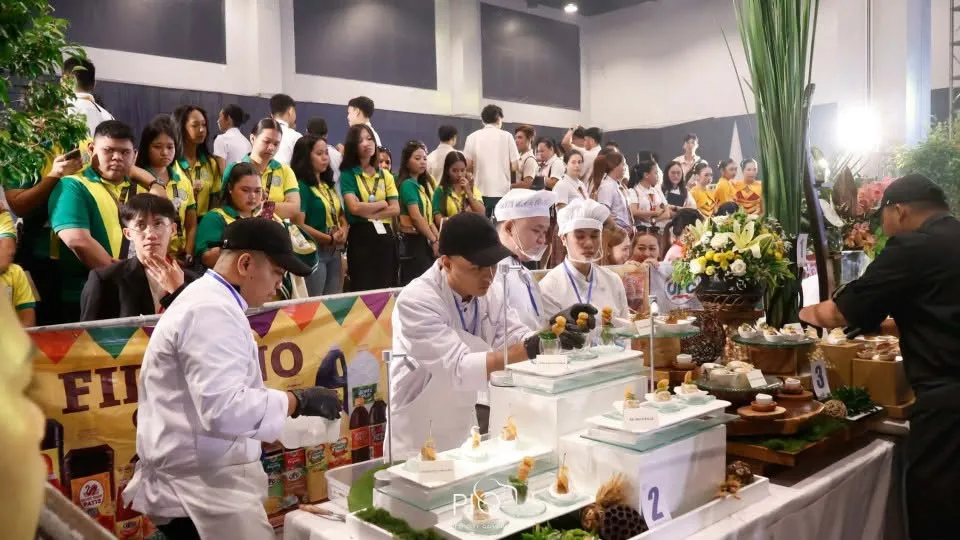
The cooperative movement has emerged as a vital pillar of Cebu's food security strategy. The KITE 2.0 Expo in April 2026 brought together 47 cooperatives showcasing nutritious, climate-smart, and locally produced goods.
As Cebu joins the global observance, its response to "Innovate today. Nourish tomorrow" is clear. From digital market platforms to cold storage infrastructure, from backyard gardens to urban hydroponics, the province is building a more resilient, inclusive, and sustainable food system for generations to come.