DAVAO — The City Government of Digos launched its innovative “Palit-Plastik: Kabalikat sa Kalinisan at Kabuhayan” program in Barangay Kiagot on July 7, 2026. The initiative allows residents to exchange collected plastic waste for essential groceries and school supplies, tackling pollution while easing household expenses.
Launch Day Draws 863 Kilos of Plastic
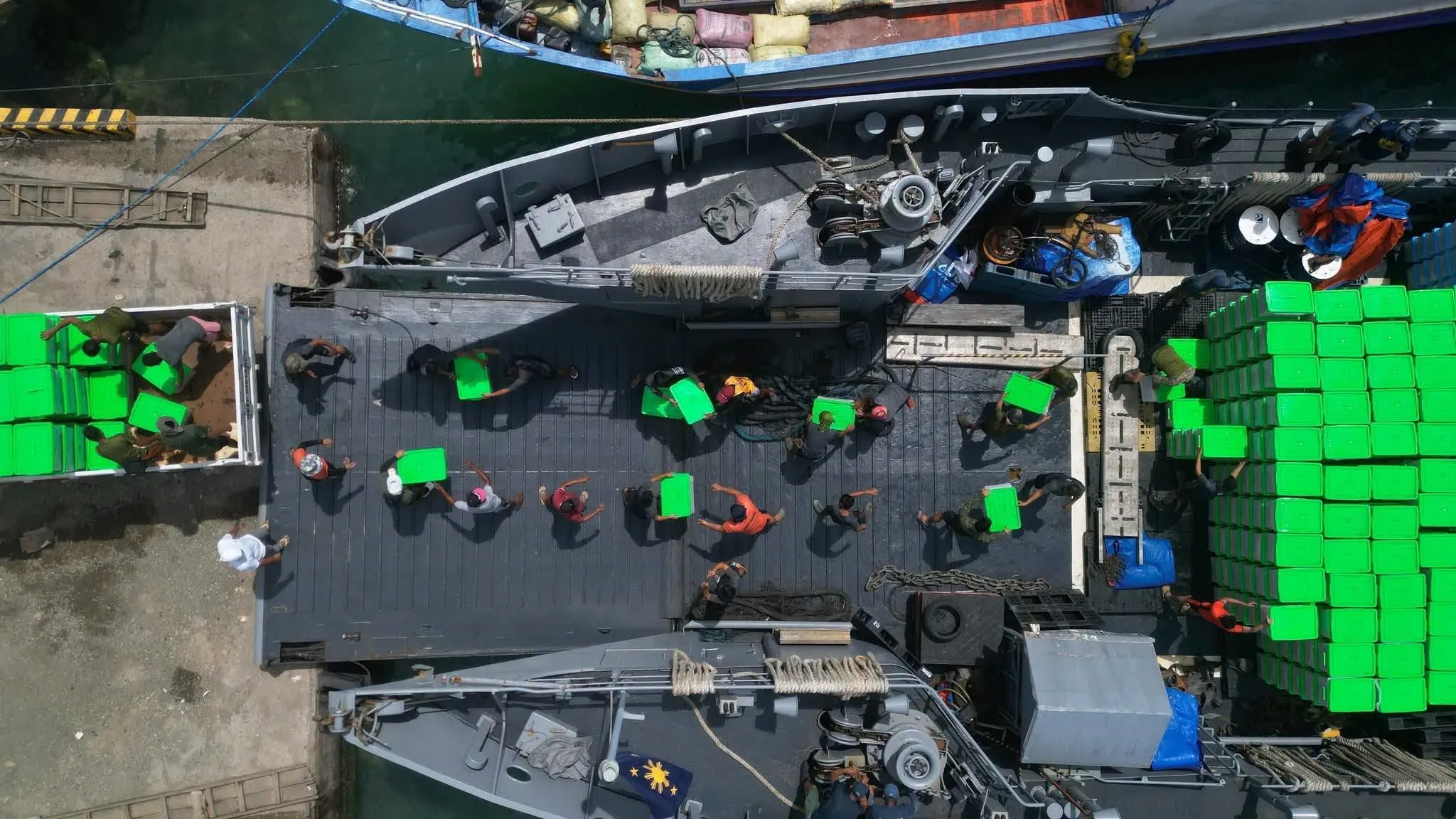
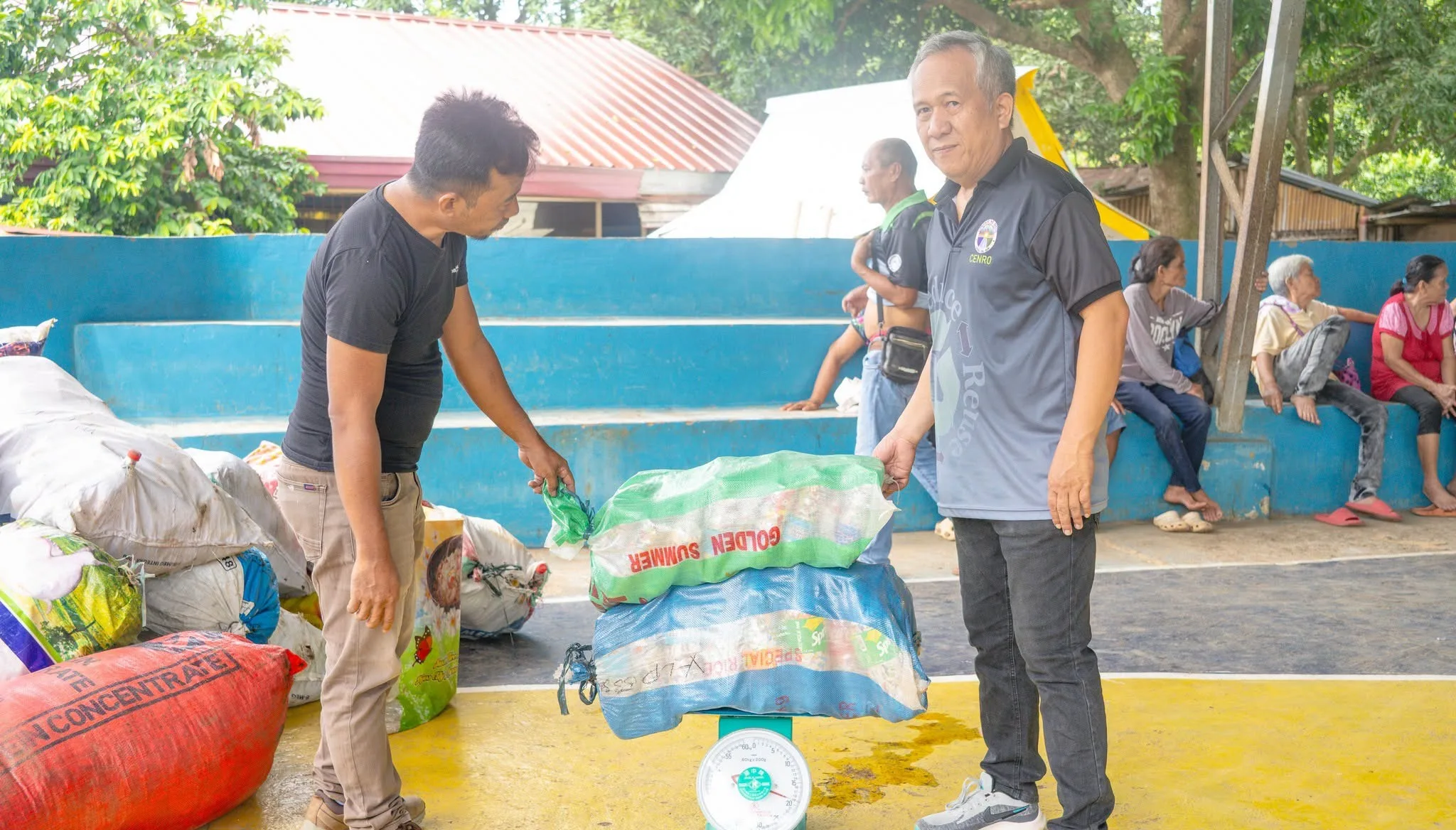
On its first morning, residents brought a total of 863 kilograms of plastic waste to the designated collection point. Families sorted through sacks filled with single‑use wrappers, bottles, and containers. The enthusiastic turnout immediately proved the program’s appeal to a community eager for both environmental action and practical economic support.
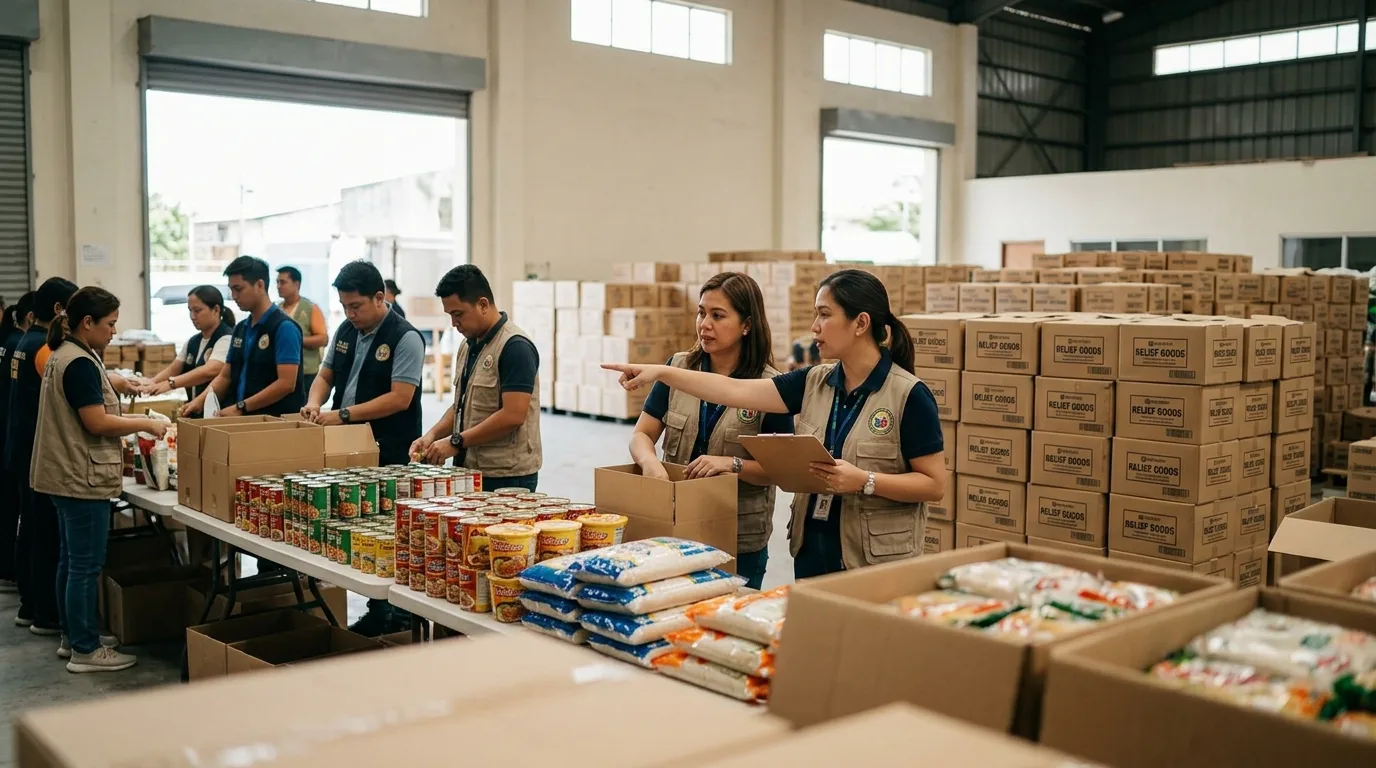
Each kilogram of plastic translated into ₱8 worth of redeemable goods. The City Environment and Natural Resources Office distributed rice, canned goods, notebooks, and pens in exchange for the trash. By midday, the collected plastic had been fully traded, clearing waste from homes and streets.
How the Exchange Works
The program operates through a mobile barangay caravan, with CENRO teams visiting different communities every Tuesday and Thursday starting at 8:00 a.m. Residents gather their accumulated plastic waste beforehand, ensuring it is dry and relatively clean. At the site, personnel weigh each batch and immediately credit the equivalent value in grocery or school supply items.
This structure turns waste segregation into a tangible, rewarding habit. Rather than discarding plastic into canals or vacant lots, families now have a direct financial incentive to store it separately. The system educates residents on proper disposal while putting valued goods directly into their hands.
A Solution to Flooding and Pollution
Mayor Josef Fortich Cagas designed the program to address the city’s persistent drainage blockages and coastal pollution. Plastic debris frequently clogs waterways, causing flash floods during heavy rains and harming marine ecosystems along Digos City’s shoreline. By intercepting the waste upstream, the program lessens the burden on infrastructure and the environment.
The initiative also promotes a shift in mindset toward recycling and circular waste management. Officials believe that a sustained, incentive‑based approach will gradually embed responsible consumption habits. Every kilogram diverted from the waste stream represents a small victory against pollution and flooding.
Community Rallies Behind the Initiative
Barangay Kiagot residents expressed appreciation for the program’s dual benefit. Parents noted that the school supplies arrived just in time for the upcoming academic year, while the groceries provided immediate relief for daily meals. The exchange created a festive atmosphere, with neighbors helping each other transport heavy sacks to the collection site.
The local government plans to expand the caravan to all barangays in the city. Each scheduled stop will be announced in advance, giving residents time to accumulate more plastic. The success of the pilot demonstrates that combining environmental protection with direct livelihood support yields strong community participation.
A Model of Inclusive Environmental Action
Digos City’s Palit-Plastik program illustrates how local governments can creatively confront the plastics crisis. By attaching a clear material benefit to an environmental act, the initiative lowers barriers to participation. The approach could serve as a replicable template for other municipalities seeking to reduce waste while uplifting families’ economic welfare.