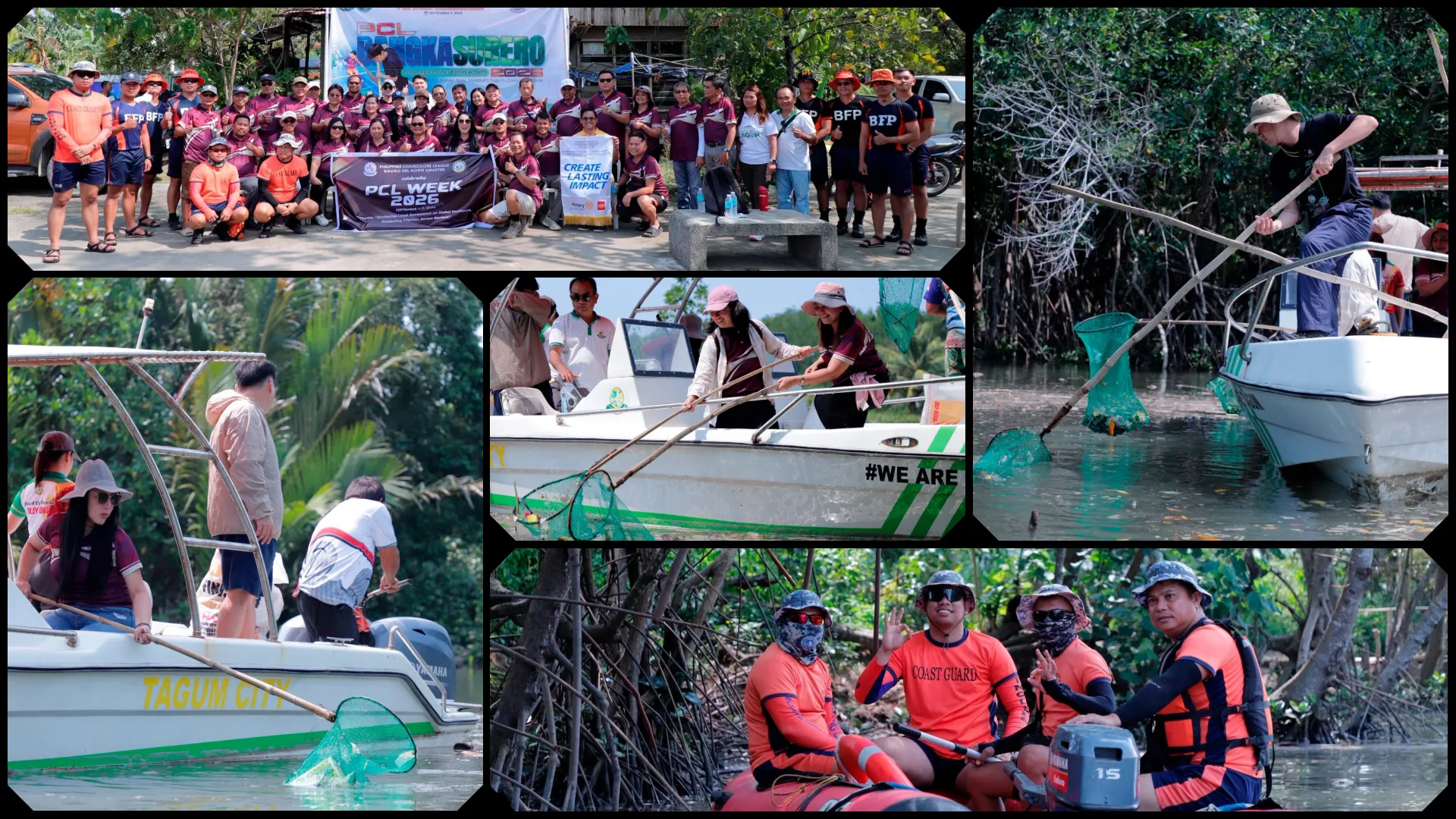
TAGUM CITY, Davao del Norte — A massive cleanup effort collected 31 sacks of garbage, weighing 496.2 kilograms, from San Isidro Creek in Barangay Madaum on September 2, 2026. The BangkaSurero – Tidal Creek Cleanup Drive gathered community stakeholders to address the persistent problem of floating and accumulated waste in the city's waterways.
A Collaborative Effort
The cleanup drive was spearheaded by the Philippine Councilors League of Davao del Norte in partnership with the City Government of Tagum. The activity formed part of the Philippine Councilors League Week Celebration, demonstrating the commitment of local officials to environmental stewardship. It brought together diverse sectors united by a common goal: cleaner waterways.
The event saw enthusiastic participation from various organizations. Representatives from the Rotary Club of Tagum, Rotary Club of Tagum Golden Laces, and Rotary Club of Tagum North joined the effort. Hijo Resources Corporation also lent its support, alongside barangay officials from Madaum and San Isidro.
Local bangka operators, who depend on the waterways for their livelihood, actively participated. The City Environment and Natural Resources Office provided technical guidance and coordination. The collective action highlighted the importance of public-private partnerships in environmental protection.
Ensuring Safety and Security
Safety remained a top priority throughout the activity. The Philippine Coast Guard monitored the waterways, ensuring that participants were protected during the cleanup. Their presence underscored the seriousness of the initiative and the commitment to participant welfare.
The Bureau of Fire Protection also provided support on-site. The City Disaster Risk Reduction and Management Office monitored the overall safety of the volunteers. These agencies worked together seamlessly, creating a secure environment for the cleanup operation.
Addressing the Waste Problem
The BangkaSurero Cleanup Drive directly targets the problem of waste accumulating in creeks and other water bodies. Floating garbage not only pollutes the environment but also poses health risks to communities. The 31 sacks collected represent a significant step toward restoring the health of San Isidro Creek.
The activity raised awareness about proper waste disposal. It served as a reminder that everyone has a role to play in keeping waterways clean. The collected trash will be properly disposed of, preventing it from reaching the marine environment.
Strengthening Waterway Protection
Through initiatives like BangkaSurero, Tagum City aims to strengthen the protection and preservation of its waterways. The cleanup drive is part of a broader effort to promote environmental consciousness among residents. Regular cleanups help maintain the ecological balance of tidal creeks and rivers.
The involvement of bangka operators is particularly meaningful. These individuals rely on clean waterways for their livelihood, and their participation shows a deep commitment to their source of income. Their presence also encourages other community members to take responsibility for the environment.
A Community United for Change
The success of the cleanup drive demonstrates the power of community unity. When government agencies, civic organizations, businesses, and residents work together, meaningful change is possible. The 31 sacks of garbage collected are a testament to what collective action can achieve.
The Philippine Councilors League of Davao del Norte expressed gratitude to all participants. The organization hopes that the activity will inspire more residents to join future environmental initiatives. The cleanup drive is a reminder that protecting the environment is a shared responsibility.
A Greener Future for Tagum
The BangkaSurero Cleanup Drive is a positive step toward a cleaner, healthier Tagum City. The activity aligns with the city's broader environmental goals. By addressing waste at its source, the initiative helps prevent pollution from reaching the sea.
As the community continues to work together, the vision of cleaner waterways becomes more attainable. Each cleanup effort contributes to a legacy of environmental stewardship for future generations. The 31 sacks of trash collected are more than just waste; they are a symbol of hope and commitment.