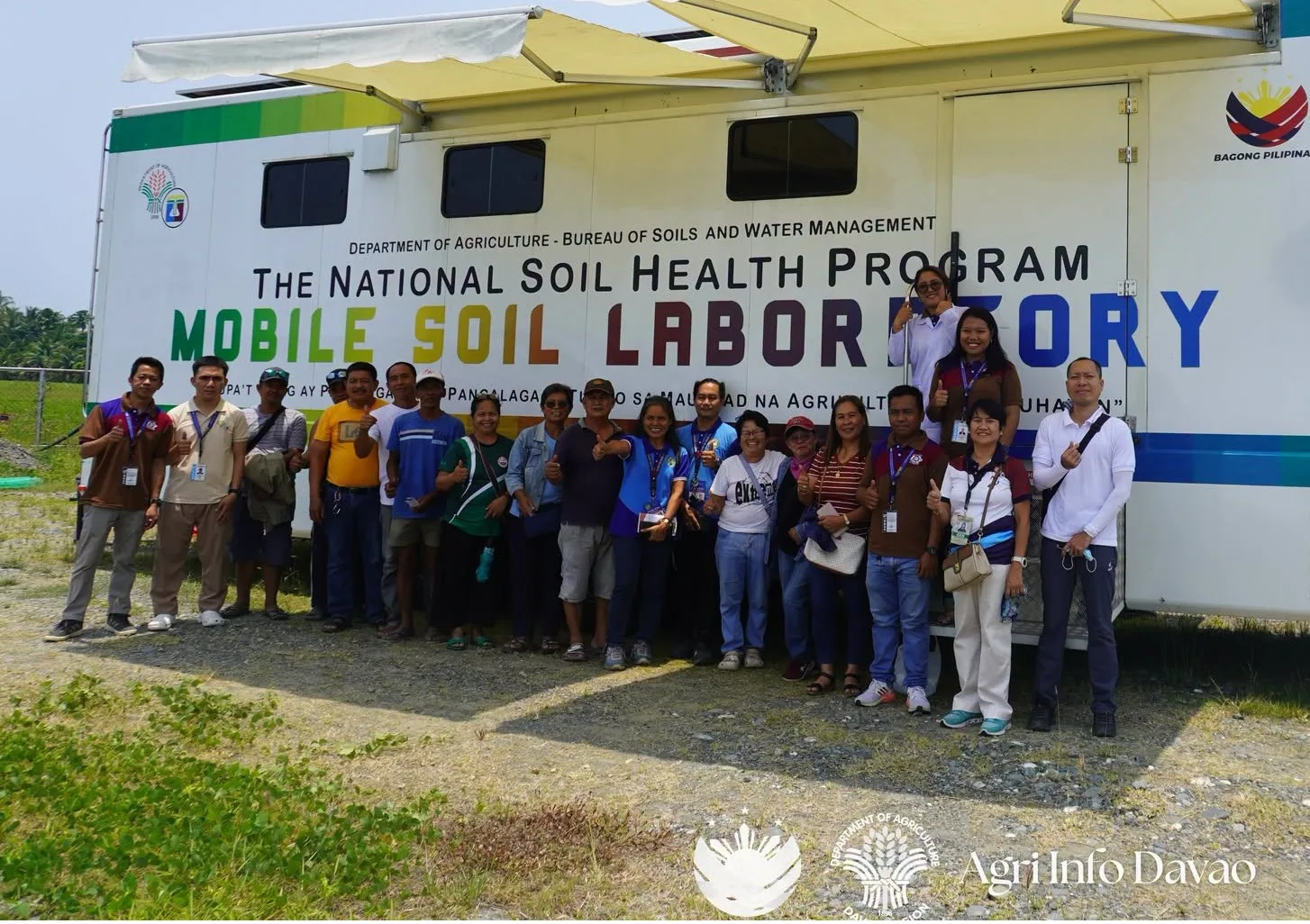
CARMEN, Davao del Norte — Farmers in this agricultural municipality are now getting direct access to modern soil testing, thanks to the Department of Agriculture's Mobile Soils Laboratory (MSL). The state-of-the-art laboratory truck arrived on Thursday, bringing science-based diagnostics directly to farming communities.
A High-Tech Lab on Wheels
The MSL is a 10-wheeler laboratory truck equipped with advanced analytical instruments capable of comprehensive soil analysis. It can assess chemical, physical, and microbiological properties of soil on-site. The mobile facility also conducts water quality assessments and performs rapid tests using specialized soil and water kits.
For farmers, this means no more traveling to distant stationary laboratories to understand their land. The laboratory comes to them, eliminating transportation costs and delays. This accessibility is crucial for smallholder farmers who often lack the resources to access such services.
Better Yields, Lower Costs
DA Regional Soils Laboratory Chief Maria Geneva Depra explained that the initiative promotes science-based nutrient management. Farmers can now learn the exact fertility and health of their soil. This knowledge allows them to apply the precise amount of fertilizer needed, reducing waste and maximizing yields.
Understanding soil microbiological properties also helps farmers address underlying issues that may limit crop growth. By optimizing inputs based on accurate data, farmers can improve productivity per hectare. The direct economic benefit is a stronger, more sustainable livelihood.
Lasting Local Capability
The MSL's deployment in Carmen marks the completion of its current service to Davao del Norte municipalities. By the first week of October, the DA will turn over soil test results and Soil Test Kits (STKs) to local agriculture offices. These kits will enable basic soil assessment services to continue even after the mobile lab moves on.
This handover ensures that the benefits of the MSL visit extend far beyond the initial testing period. Local agriculture officers can use the STKs to provide ongoing support to farmers. The goal is to build lasting local capacity for soil health monitoring.
Building a National Data Bank
The data collected during the MSL visits contributes to a centralized national soil analysis bank. This database helps track and manage agricultural soil health across the Philippines. The information supports long-term planning and policy development for the agricultural sector.
By aggregating soil data from different regions, the DA gains valuable insights into national soil conditions. This allows for more targeted interventions and research priorities. The mobile lab's work is part of a broader effort to modernize Philippine agriculture through science.
A Brighter Future for Carmen's Farms
For the farmers of Carmen, the arrival of the MSL represents a significant step forward. They now have the tools to understand what lies beneath their crops. Every fertilizer application can be informed by data, making every peso count.
This initiative demonstrates the DA's commitment to bringing technology and expertise directly to farmers. It empowers them to make informed decisions that increase productivity and sustainability. The future of farming in Davao del Norte looks brighter with science at the forefront.