PHILIPPINES — Every October, the Philippines transforms into a nationwide canvas of memory and artistic expression. Under Presidential Proclamation No. 798, Museums and Galleries Month honors the country's rich cultural heritage, dynamic visual arts, and historical narratives across Luzon, Visayas, and Mindanao.
A Nationwide Cultural Awakening
In Luzon, the National Museum Complex in Manila stands as the flagship destination for thousands of students and families. Visitors marvel at Juan Luna's monumental Spoliarium and Guillermo Tolentino's sculpted masterpieces. Beyond the capital, Baguio's Museo Kordilyera highlights indigenous textiles and oral traditions of the Cordillera Highlands.
In the Visayas, Cebu's National Museum showcases the region's deep trade roots and sacred arts inside the historic Aduana building. Iloilo City reinforces its reputation as a contemporary art capital through ILOMOCA and local artist-run spaces. Bacolod's galleries weave stories of agrarian struggle, resilience, and vibrant folklore.
Mindanao's Rich Heritage on Display
Further south, Museums and Galleries Month serves as a platform for honoring Mindanao's ethnolinguistic diversity. In Butuan City, the National Museum highlights the celebrated Balangay, ancient wooden watercraft proving early Filipinos engaged in sophisticated maritime navigation centuries before European contact.
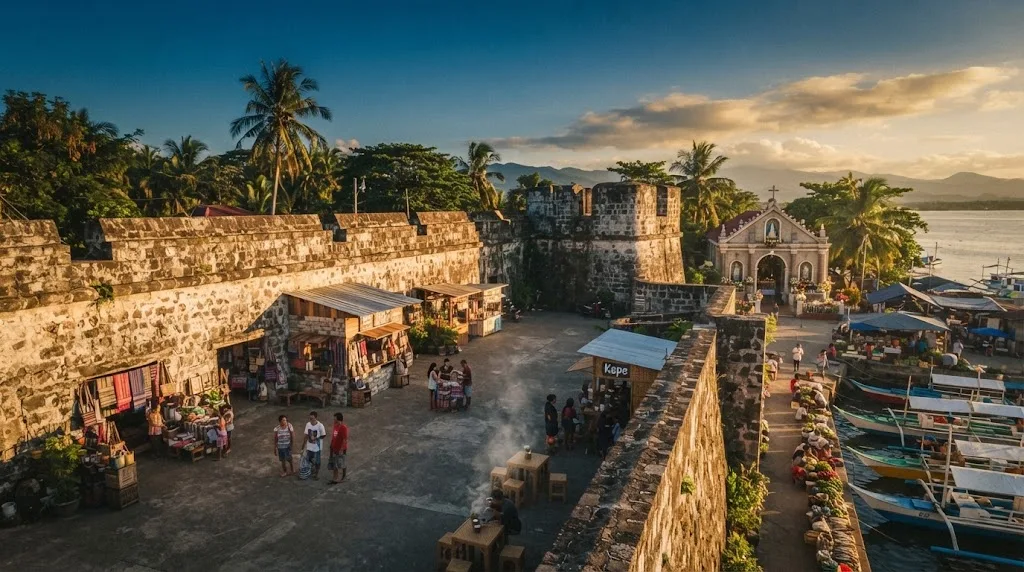
In Zamboanga City, Fort Pilar Museum celebrates the blending of Hispanic, Muslim, and indigenous Subanen traditions. Davao, Sultan Kudarat, and Cotabato showcase the exquisite craftsmanship of Lumad and Bangsamoro communities, from intricate t'nalak weaves to brassware and kulintang instruments, asserting Mindanao's integral role in the national narrative.
Museums as Living Spaces of Resilience
Modern Philippine museums have evolved beyond passive viewing spaces. Institutions nationwide prioritize community engagement, accessibility, and resilience. Mobile exhibition vans travel to rural barangays, pop-up art fairs transform public parks into open-air studios, and digital storytelling allows overseas Filipino workers to explore national treasures through virtual tours.
MGM also highlights museums as sanctuaries of disaster preparedness and climate awareness. Given the Philippines' exposure to natural disasters, heritage institutions are championing new standards for artifact preservation and community safety. Workshops train local archivists and heritage stewards in emergency response and cultural salvage.
Cultural Diplomacy at Museo del Galeón
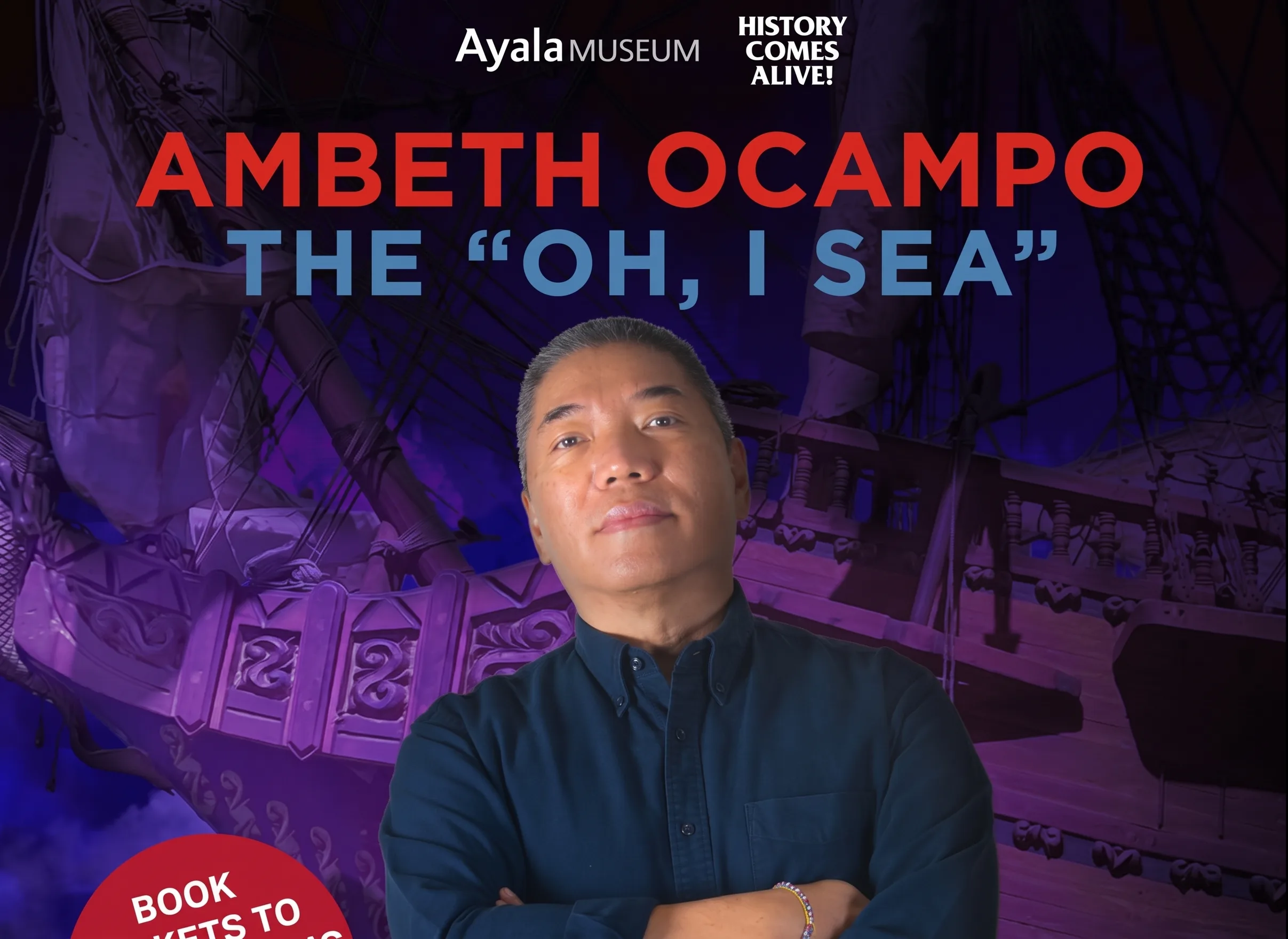
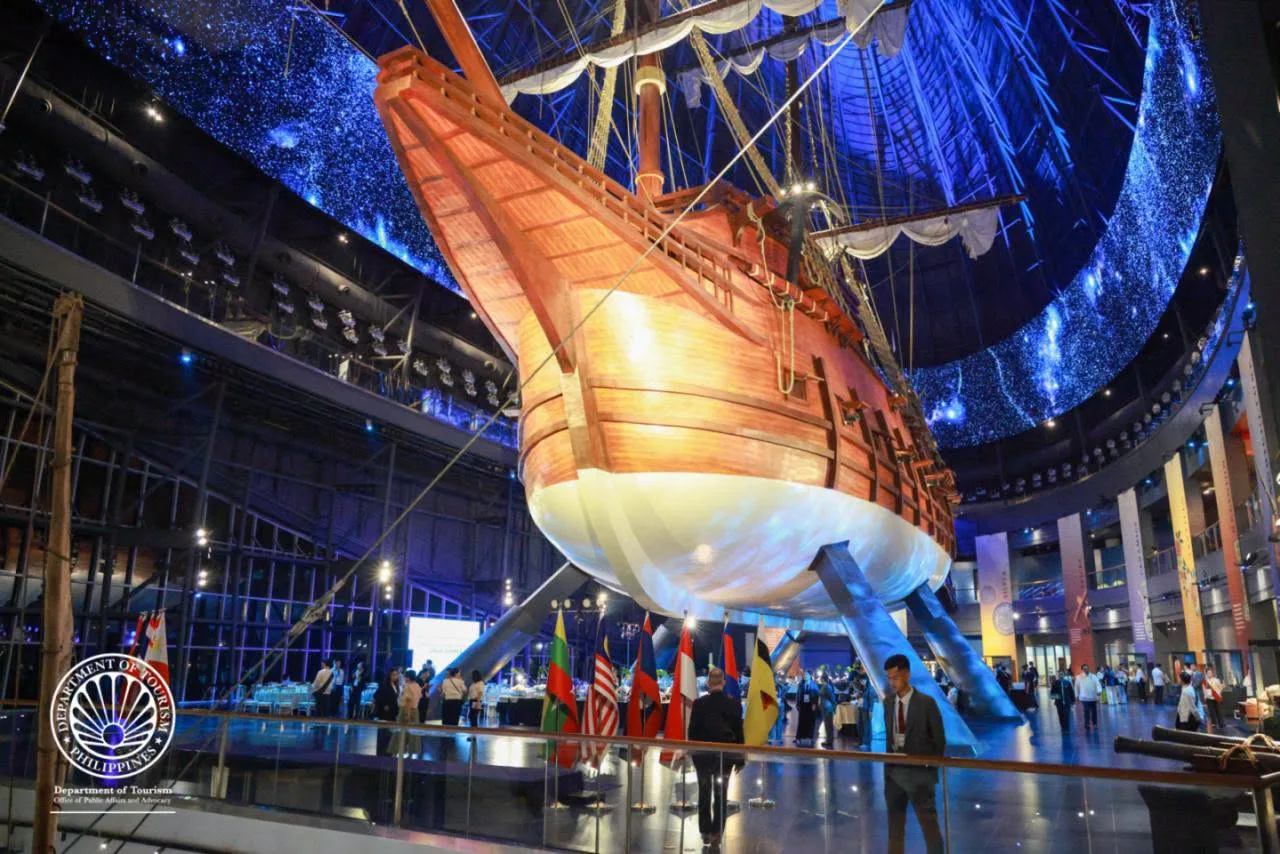
The nationwide celebration shines a spotlight on the Philippines' pivotal position in international diplomacy. During the Second ASEAN Tourism Ministers' Meeting, delegates experienced Museo del Galeón, the country's first immersive maritime heritage museum in Pasay City.
DOT Secretary Bernardita Angara-Mathay emphasized that ASEAN does not rely on isolated journeys but on positioning the region as a single, unified tourism destination. The museum's centerpiece, the Galeón Espíritu Santo, is a full-scale representation of a 17th-century galleon where visitors step inside and explore.
Driving Sustainable Cultural Tourism
The showcase of landmark sites like Museo del Galeón underscores a strategic shift in Philippine tourism policy. Rather than measuring success solely through arrival numbers, the DOT and cultural agencies focus on building long-term, sustainable cultural investments. Museums serve as essential catalysts in this ecosystem.
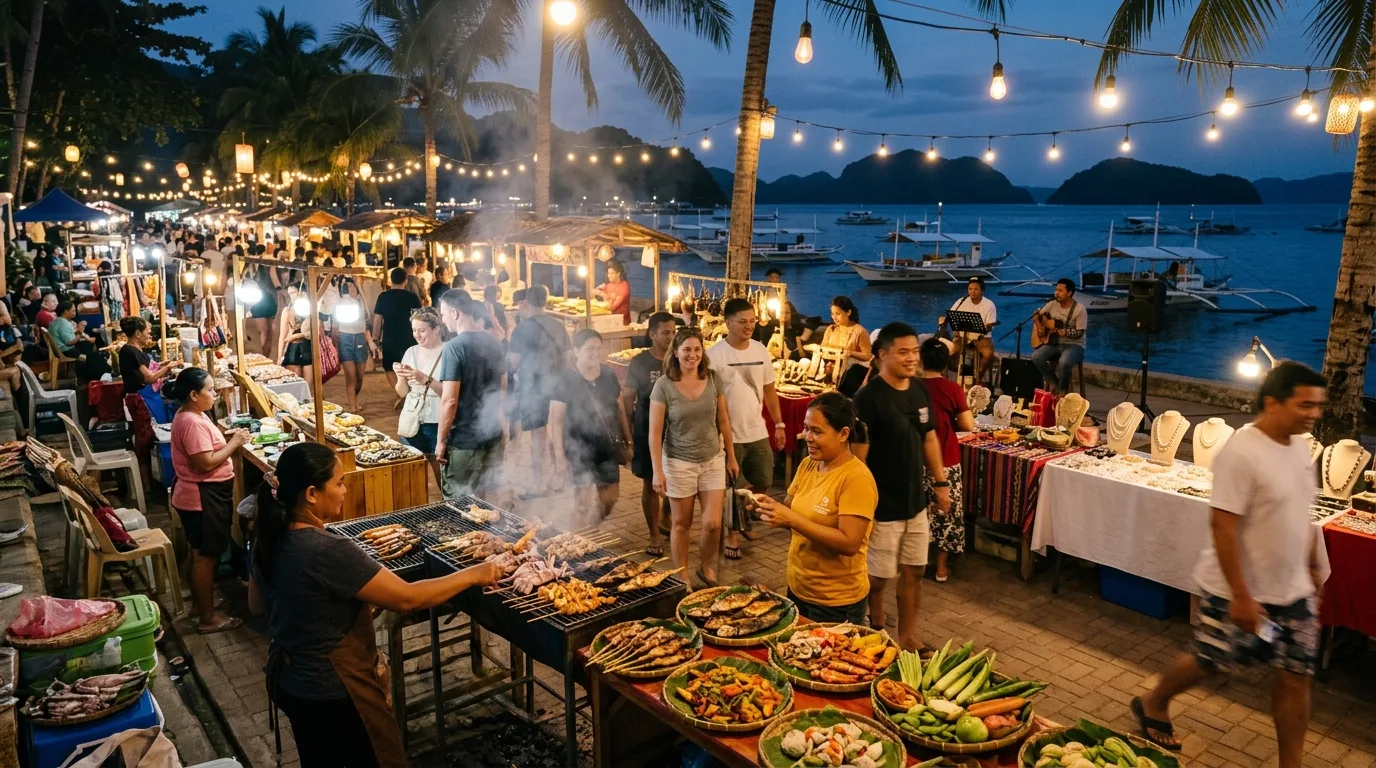
When travelers engage deeply with local museums and heritage walks, tourism revenue flows directly into local creative economies. This supports traditional artisans, weaver communities, local historians, museum docents, and neighborhood culinary purveyors. Cultural itineraries connect regional museums across the archipelago, offering a holistic travel narrative under the "Love the Philippines" campaign.