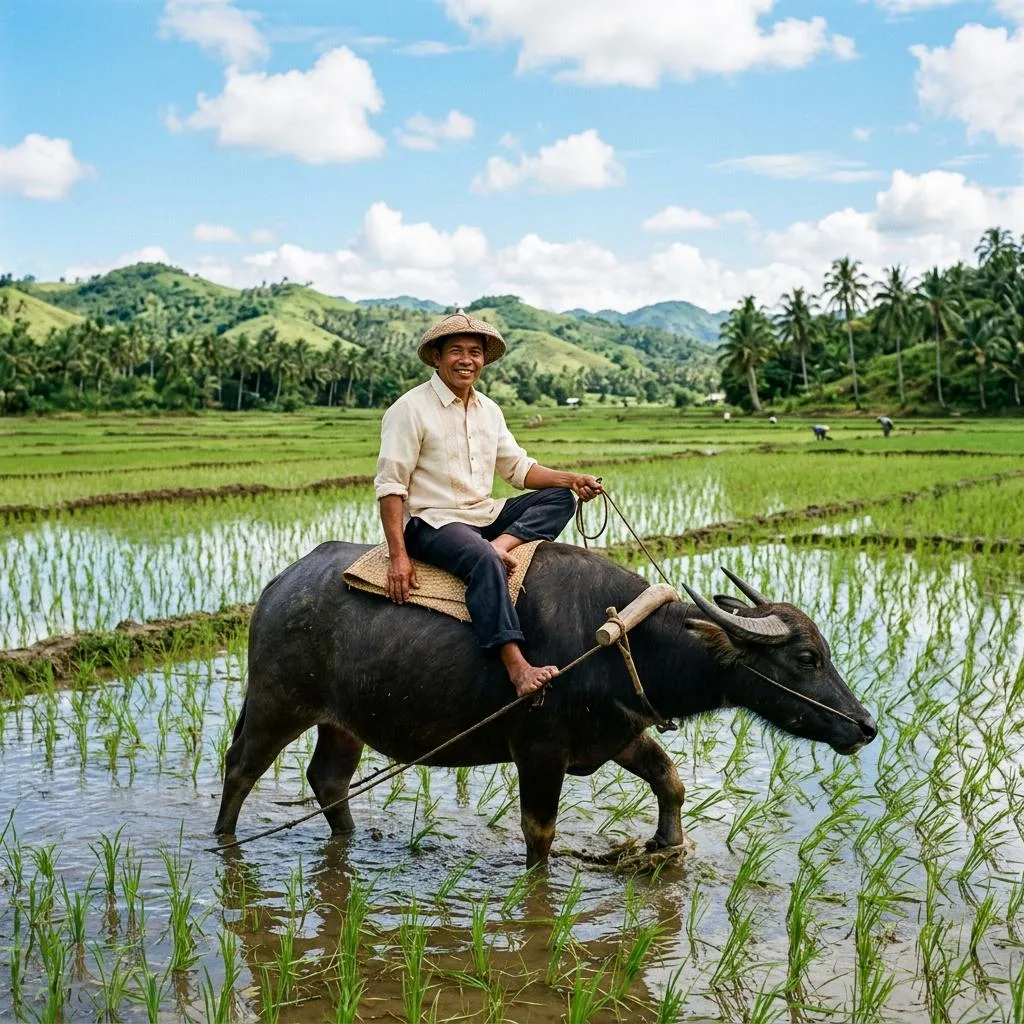
Negros Oriental is known for its rich agricultural traditions, scenic countryside landscapes, and close-knit rural communities. Among the enduring symbols of rural life in the province is the carabao, a domesticated water buffalo that has long played an essential role in farming activities and local livelihoods. For generations, carabao farming communities have contributed to agricultural productivity while preserving traditional practices that reflect the cultural identity of rural areas. Through their historical significance and continued presence, these communities contribute to the preservation of rural heritage tourism in Negros Oriental.
Promoting Rural Heritage Tourism
Rural heritage tourism focuses on experiences that allow visitors to explore traditional lifestyles, agricultural practices, and cultural traditions within countryside communities. Carabao farming communities provide opportunities for tourists to observe authentic farming activities, learn about local customs, and gain insight into the agricultural foundations of rural life. These experiences promote appreciation for the heritage and traditions that continue to shape the province.
Preserving Traditional Farming Practices
Carabaos have long served as valuable partners in farming, assisting with plowing fields, transporting goods, and supporting agricultural work. Although modern machinery has become more common, many communities continue to maintain traditional farming methods that involve carabaos. These practices preserve important knowledge and skills that have been passed down through generations of farmers.
Showcasing Agricultural Heritage
The relationship between farmers and carabaos reflects a significant aspect of the province's agricultural history. Visitors who observe farming activities involving carabaos gain a deeper understanding of the role these animals have played in rural development and food production. Such experiences highlight the cultural and historical importance of agriculture in Negros Oriental.