Preparing Before Emergencies Happen
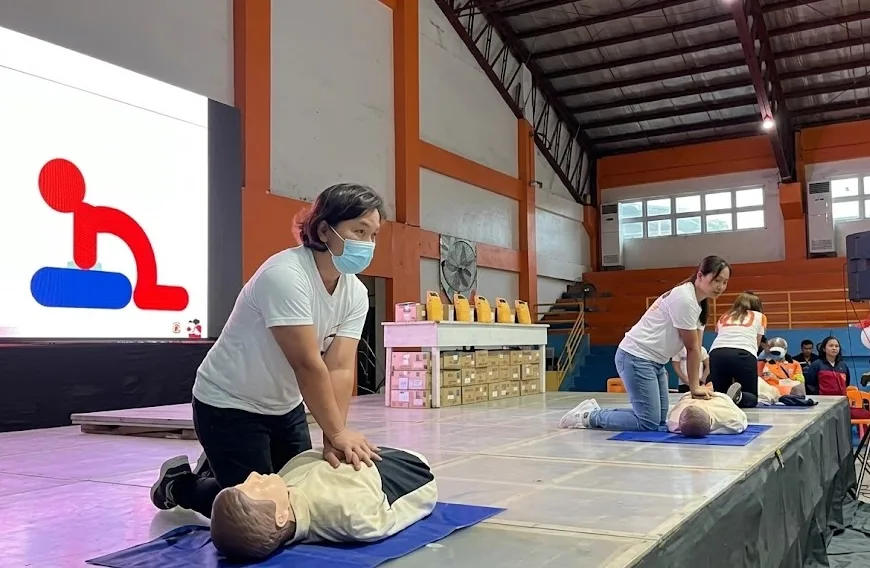
OZAMIZ CITY - Communication is one of the first necessities during disasters, allowing emergency responders to coordinate rescue efforts and share accurate information. Training programs introduce participants to radio operations, emergency communication procedures, equipment handling, and responsible message transmission. These practical exercises prepare volunteers to assist when power interruptions or damaged telecommunications infrastructure limit conventional communication channels. Participants also develop teamwork and decision-making skills while learning standardized emergency protocols. By investing time in preparation, communities become better equipped to respond effectively when unexpected situations occur.
Volunteers Become Valuable Community Partners
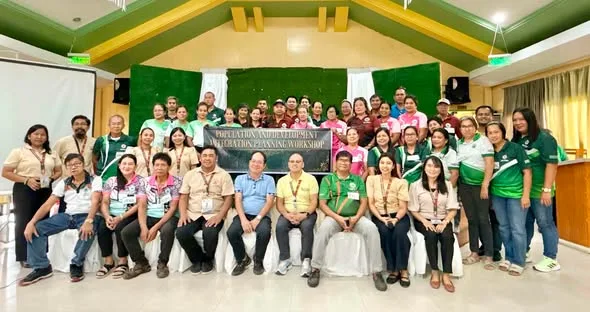
Emergency communication networks rely on individuals willing to serve during times of need. Amateur radio operators, civic organizations, emergency responders, and government agencies work together to maintain communication capabilities that complement existing disaster response systems. Beyond technical knowledge, volunteers build relationships that improve coordination during actual emergencies. Regular drills and training sessions help participants remain familiar with equipment while encouraging continuous learning. These partnerships demonstrate how community involvement strengthens disaster preparedness without relying solely on government resources.
Building Confidence Through Preparedness
Disaster resilience grows stronger when communities prepare long before emergencies arise. Communication training creates a dependable group of volunteers capable of supporting response operations while helping residents receive timely information. Continued collaboration among DICT, local governments, emergency organizations, and communication enthusiasts encourages the development of sustainable preparedness programs across Northern Mindanao. For Ozamiz City, supporting emergency communications reflects a practical investment in public safety where preparedness, cooperation, and reliable information contribute to protecting lives and accelerating recovery whenever disasters occur.