Old Classrooms With a Much Bigger Story
GENERAL SANTOS CITY - Gabaldon school buildings were constructed during the American colonial period and became recognizable parts of Philippine educational history. The 2026 study examined three selected American-era Gabaldon School Buildings in Sarangani Province and General Santos City through field observation, interviews, focus-group discussions, and library research. Researchers John Alfred S. Nagret and Prescillano D. Campado found that these structures continue to carry historical value while also facing practical challenges associated with their use as educational facilities. Their research was published in the Journal of Arts, Humanities and Social Science on July 8, 2026. For General Santos City, the study provides an uncommon lens: some of its educational spaces can also be viewed as cultural resources with stories extending beyond their present-day classroom functions.
Preservation Is Not Always Simple
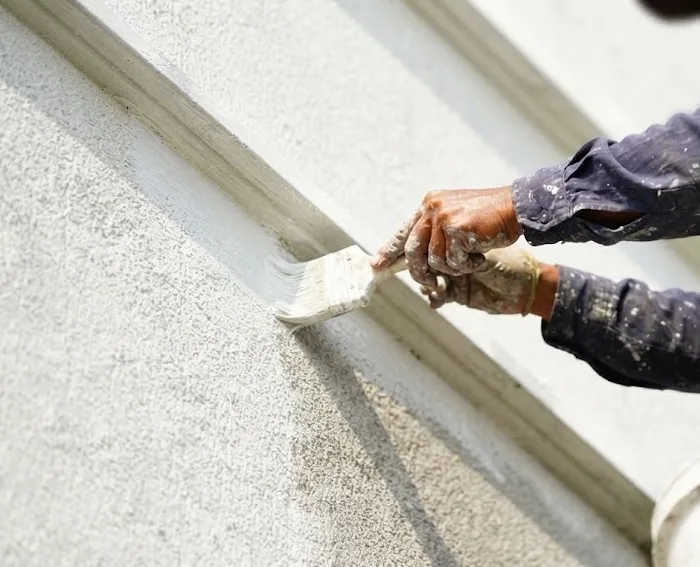
Keeping an old school building intact sounds straightforward until its historical value meets the everyday requirements of modern education. The 2026 study identified an apparent tension between cultural-heritage conservation rules and education regulations, particularly when modifications are necessary for practical, legal, or safety reasons. The researchers also documented conservation practices involving moisture regulation, which addresses natural deterioration affecting the buildings. This creates an interesting dilemma for General Santos: preserving heritage does not necessarily mean leaving an old structure untouched. A functioning school must remain safe and suitable for learners, while conservation efforts seek to retain historical features. The study therefore presents heritage preservation as an ongoing balancing act rather than a simple restoration project.
A Heritage Asset That People Still Use
What makes these buildings particularly interesting is that they are not merely museum objects separated from everyday life. The research looked at the experiences and participation of community stakeholders and examined how conservation happens within school settings. That distinction matters for General Santos City because heritage can be encountered in places people continue to use rather than only in formal tourist attractions. The study's authors argue for greater awareness of the value and need for conservation of Gabaldon buildings. Their work also places General Santos within a wider discussion about how Philippine communities can protect historical structures while meeting present-day educational needs. It opens a different conversation about the city's identity—one that begins with classrooms rather than commercial landmarks.