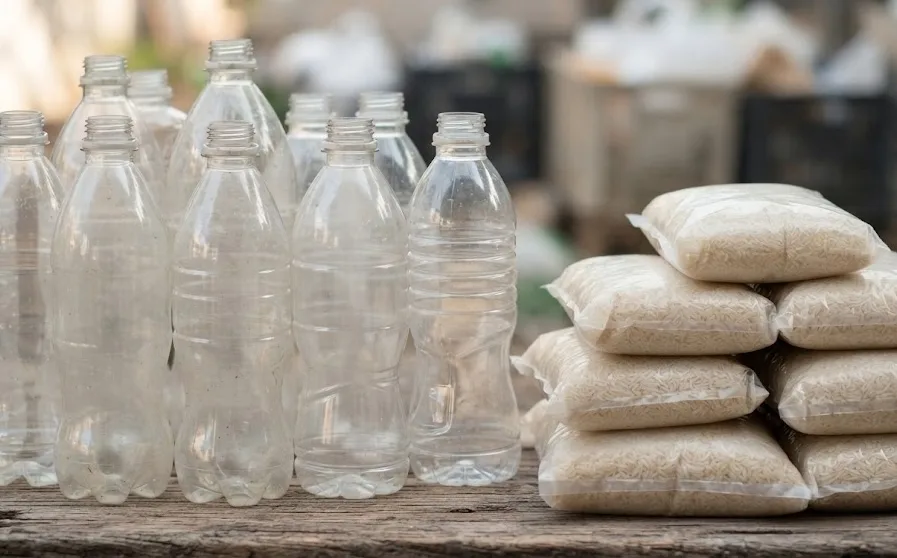
When Cleaning Up Comes With Something Useful
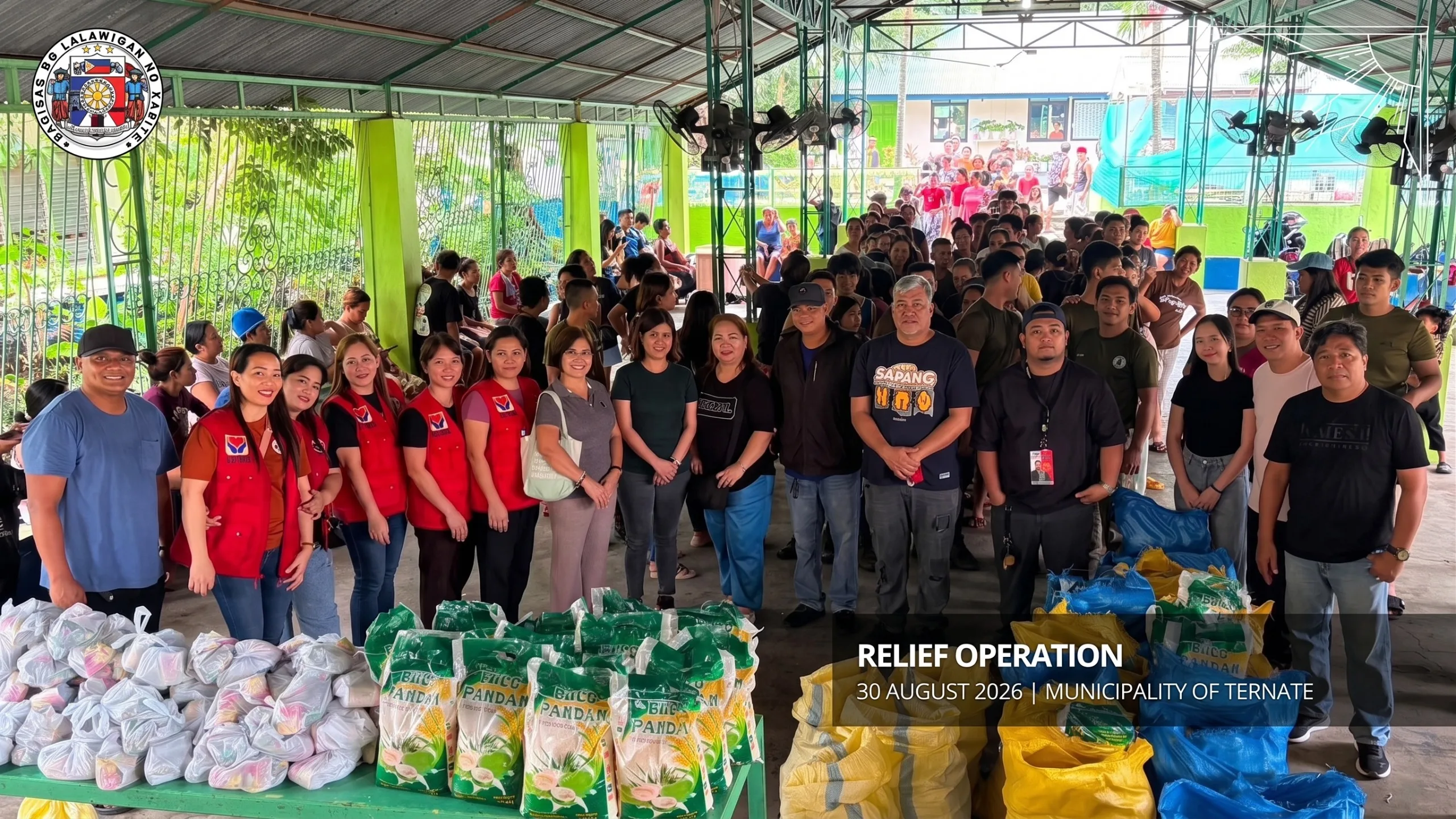
GENERAL SANTOS CITY - The “Basura Mo, May Kapalit na Bigas” concept offers a straightforward message: waste has to go somewhere, so why not make responsible disposal part of a useful community exchange? A 2026 account of a People’s Hour activity in Barangay Tinagacan listed free rice in exchange for collected garbage among the services made available to residents. The same activity brought several forms of assistance closer to the community, including medical services, food support, school supplies, vegetable seeds, and other government services. Rather than treating waste collection as a separate concern, the initiative connects it with something families can immediately appreciate—food. That simple connection can make environmental participation feel tangible.
Tinagacan Adds a Local Touch to Waste Management
The program is particularly interesting in Tinagacan because the barangay has a largely rural character, with farming identified as its leading source of livelihood in the General Santos City legislative profile. Its residents also engage in labor, small businesses, driving, livestock raising, and other occupations. In that setting, an activity involving household waste does not have to be framed as a complicated environmental campaign. It can simply become another community practice: gather unwanted materials, bring them to an organized collection activity, and receive something useful in return. The arrangement gives residents a reason to participate while reinforcing the idea that keeping shared spaces clean is a responsibility everyone can contribute toward.
A Small Exchange With a Bigger Environmental Lesson
There is also a practical lesson behind the rice-for-waste approach. General Santos City has an established solid waste management framework, with city and barangay programs emphasizing waste segregation and responsible handling of garbage. In Barangay Dadiangas South, for example, the city’s published barangay program calls for strict implementation of zero-waste management and garbage segregation. Tinagacan’s rice exchange adds a different element to that broader effort by giving residents an immediate reason to participate. The value of the idea is not simply the rice or the collected waste individually. It is the connection between two daily concerns—keeping communities cleaner and helping households access something as basic as food.