


Skills That Need Practice, Not Just Theory
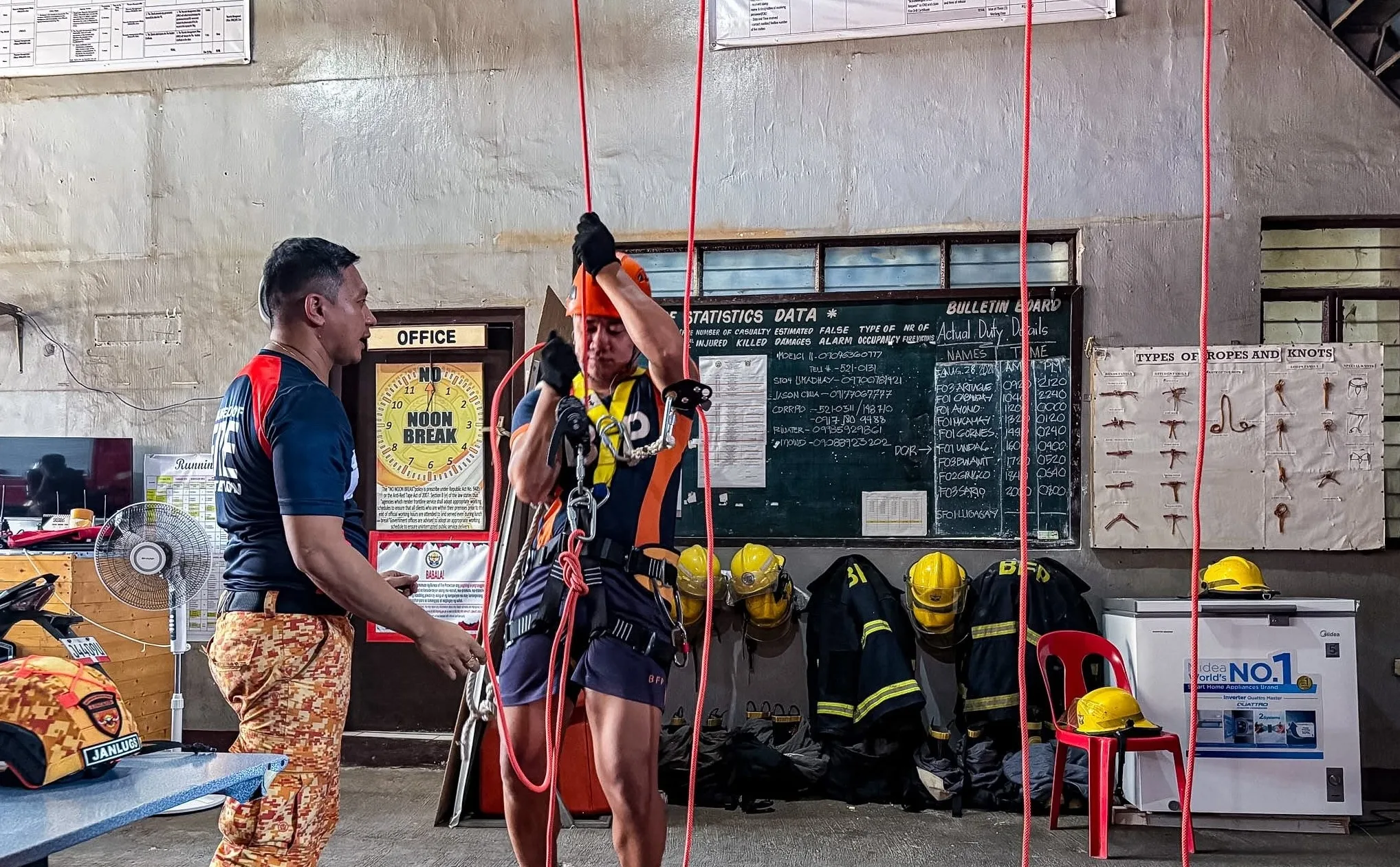
OZAMIZ CITY - Under the leadership of Acting City Fire Marshal FINSP Precious Marciano R. Cortes, MPA, personnel of the BFP R10 Ozamiz City Fire Station participated in a Technical Rope Rescue Refresher facilitated by SFO1 Lugagay, according to the station's supplied announcement. The session revisited proper rope-rescue techniques, equipment handling, safety measures, and operational procedures. These are specialized skills where small details can matter, particularly when rescuers must work around height or difficult access. The Bureau of Fire Protection's own training material also identifies rope rescue as an area involving techniques such as knots, descending, risk assessment, teamwork, and communication, showing why repeated practice remains an important part of responder preparation.
Ozamiz Joins a Wider Rescue-Readiness Picture
The value of technical rescue preparation was also visible during the 10th National Fire Olympics held in Misamis Occidental in March 2026. The event included a Rope Rescue Techniques Challenge alongside life extrication and firefighter challenges, giving participating teams an opportunity to demonstrate coordination and response skills under simulated emergency conditions. While the national event and the Ozamiz refresher are separate activities, they point to the same practical need: firefighters must be able to perform specialized rescue tasks rather than rely only on general firefighting abilities. The Ozamiz station's refresher therefore fits within a broader 2026 emphasis on strengthening technical response capabilities among emergency personnel.
Preparation That Extends Beyond the Fire Station
Technical rescue training also connects with the country's broader effort to improve search-and-rescue capability. In April 2026, the Philippine Urban Search and Rescue National Accreditation Body finalized the SAR Strategic Plan 2026–2036, with the Bureau of Fire Protection represented in the effort to strengthen and standardize search-and-rescue capabilities nationwide. For Ozamiz, the practical value is found much closer to home: personnel who regularly revisit rescue procedures can be better positioned to approach difficult incidents methodically. The refresher does not mean every emergency can be predicted, but it does show a commitment to keeping specialized knowledge active. Train, prepare, respond, rescue—that sequence begins long before an emergency call arrives.
