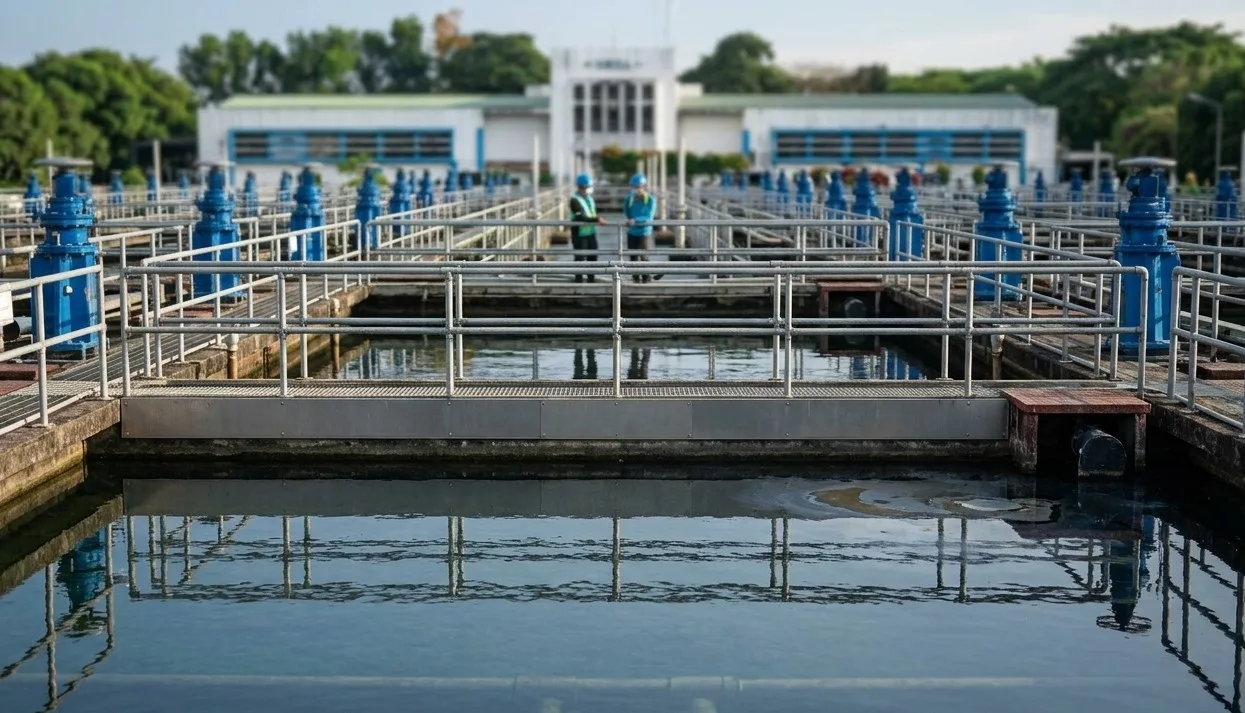
Building the Technical Foundation for a New Water Source
GENERAL SANTOS CITY- Developing a surface water source involves more than identifying a river that could supply a treatment facility. Water availability, seasonal changes, raw water quality, treatment requirements, and the capacity of distribution infrastructure all need to be considered. A technical mentoring process can help the water district examine these requirements and identify the studies needed to evaluate the proposal. The importance of such preparation is reflected in GSCWD’s June 2026 benchmarking visit to Tagum Water District, where the two utilities discussed bulk water project implementation and assessed physical, technical, and financial readiness. That activity provides documented context for the water district’s broader efforts to examine options for strengthening its supply system.
Why Surface Water Matters to GenSan’s Long-Term Planning
Surface water development has been identified in earlier planning documents as a possible way to diversify General Santos City’s water sources. The city’s Green City Action Plan discussed the potential of rivers, including the Buayan and Siguel, while noting that source selection and water availability require consideration. These earlier studies provide background for understanding why technical evaluation matters before a project advances. A proposed source must be assessed alongside treatment facilities, pipelines, operating costs, environmental considerations, and the needs of existing and future consumers. The current mentoring activity should therefore be understood as part of the technical preparation for a proposed development, rather than proof that a new water source or facility is already operational.
From Technical Advice to Practical Water-Supply Decisions
The value of technical mentoring lies in helping project planners identify information gaps, assess engineering options, and make better-informed decisions about implementation. For GSCWD, the relevant questions include whether a proposed source can provide an adequate supply, what infrastructure would be necessary, and how the project could be sustained financially and operationally. Clear answers would help distinguish a promising proposal from a project that is ready for implementation. The actual scope, recommendations, participants, and next steps of the mentoring activity should be confirmed through GSCWD’s announcement before specific outcomes are reported. Until those details are verified, the proposed development is best presented as a water-planning initiative with potential long-term significance for General Santos City.