Collaboration Begins With a Shared Purpose
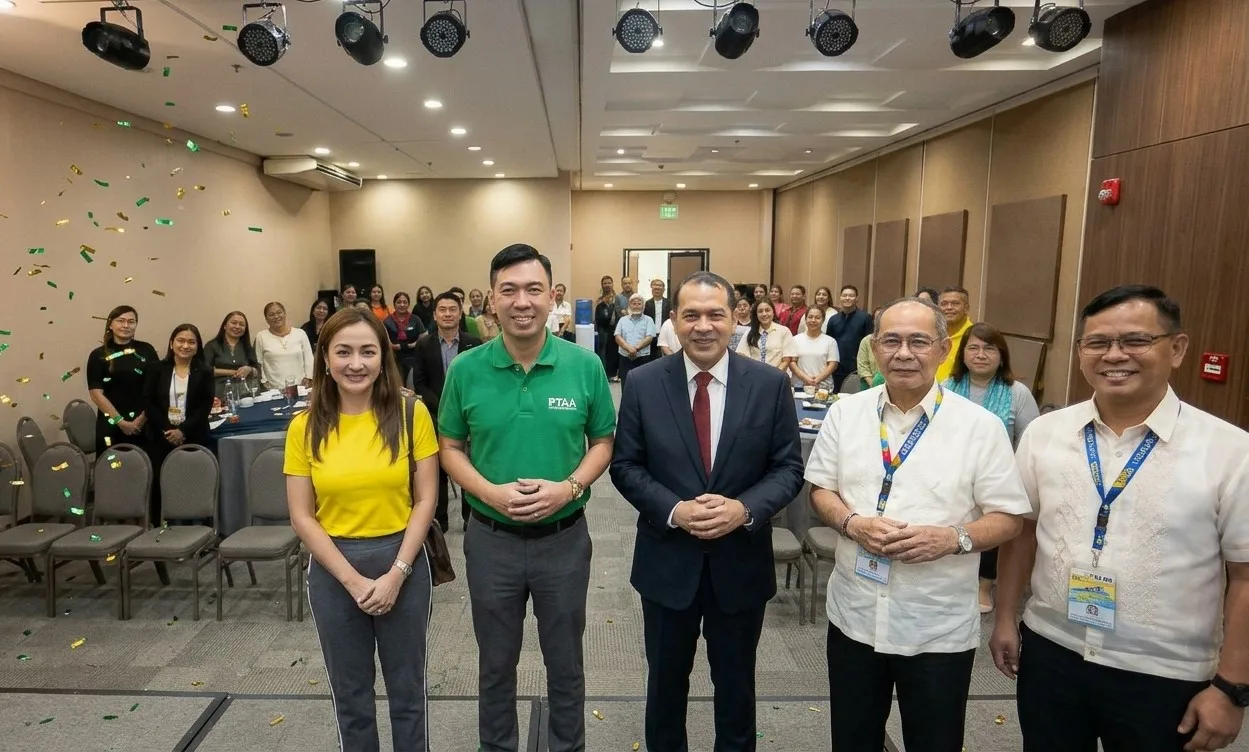
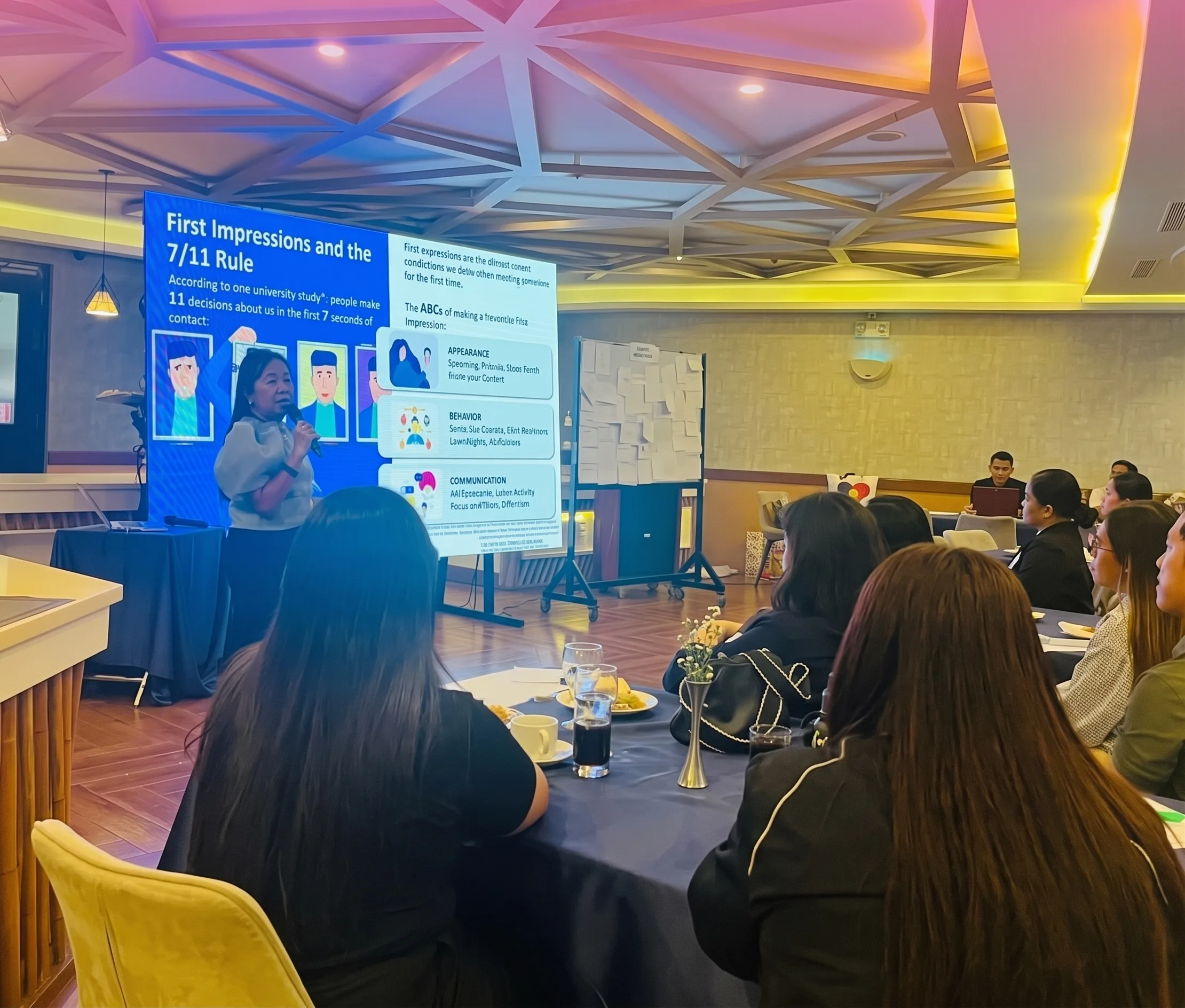
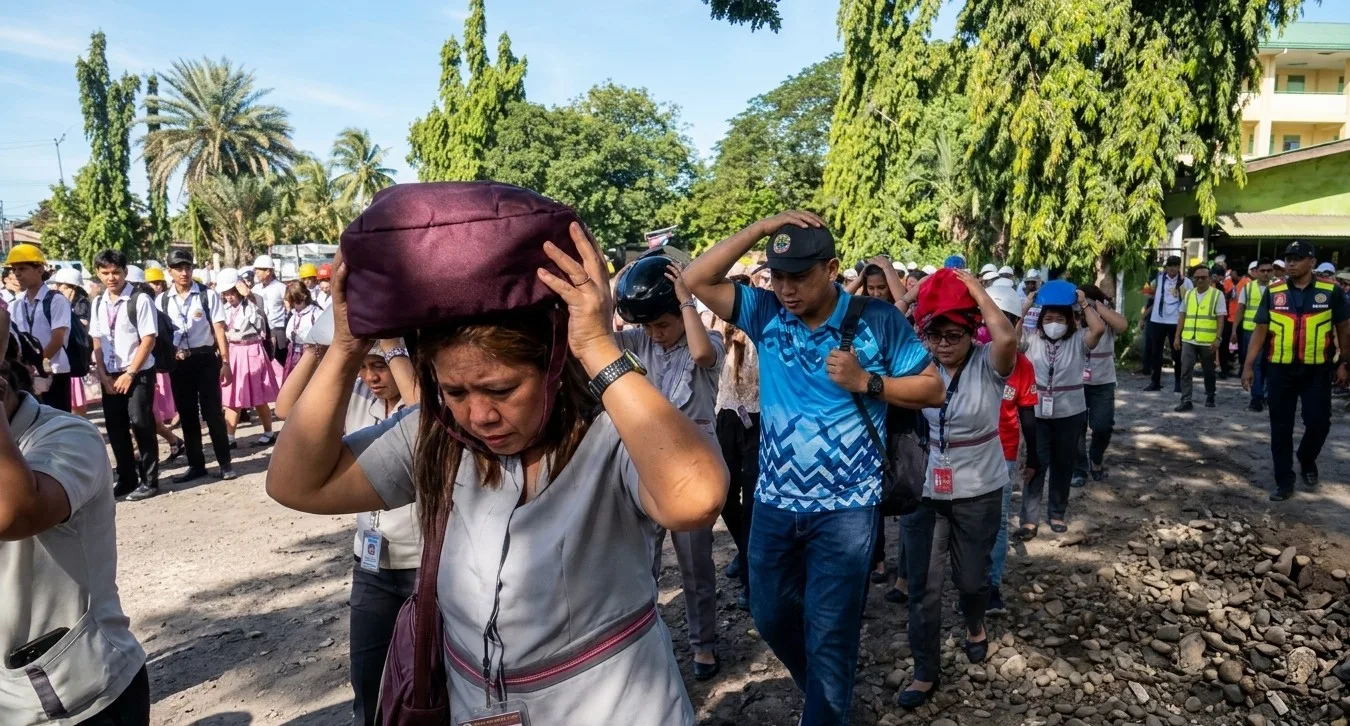
GENERAL SANTOS CITY- Disaster preparedness becomes more effective when agencies understand their respective responsibilities and work through coordinated plans. A February 2026 report by the Philippine Information Agency highlighted the Office of Civil Defense Region 12's emphasis on cooperation among local government units, volunteers, and partner agencies in carrying out disaster risk reduction initiatives. The efforts include capacity-building activities, emergency operations training, and improved response coordination. These measures demonstrate why partnerships matter not only during emergencies but also during the preparation that takes place long before a crisis occurs.
Partnerships That Reach Families and Communities
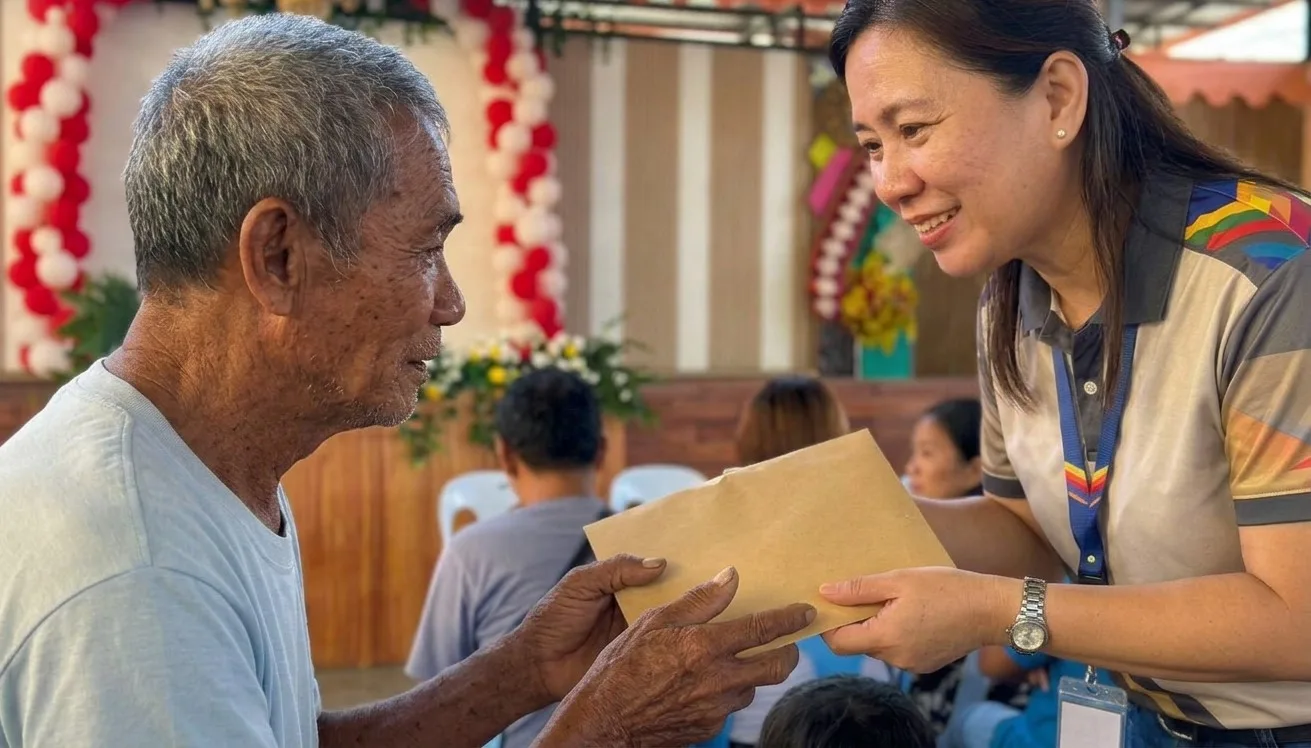
The value of cooperation is also evident in assistance extended to residents affected by difficult circumstances. In June 2026, Globe, Ayala Foundation, and other Ayala Group partners supported 1,300 earthquake-affected families in General Santos City and Sarangani through relief distribution, digital literacy activities, and psychosocial support. The initiative brought together 110 volunteers, demonstrating how private organizations and community-based efforts can contribute to recovery beyond immediate material assistance. Such collaboration offers an important example of how different sectors can combine their resources and expertise to help families recover and prepare for future challenges.
Turning Resilience Into Concrete City Planning
General Santos City has also taken steps to incorporate resilience into its planning and infrastructure policies. Its 2026 Executive Order No. 30 established an Infrastructure Audit Program intended to enhance earthquake resilience and disaster risk reduction, while Executive Order No. 45 created a technical working group for integrating resilient urban design into local planning and development processes. These initiatives provide formal mechanisms for examining infrastructure concerns and considering disaster risks in future development decisions. By bringing technical planning and public safety into the same conversation, the city can better address vulnerabilities that affect its communities