Teaching Leadership Through the Practice of Peace
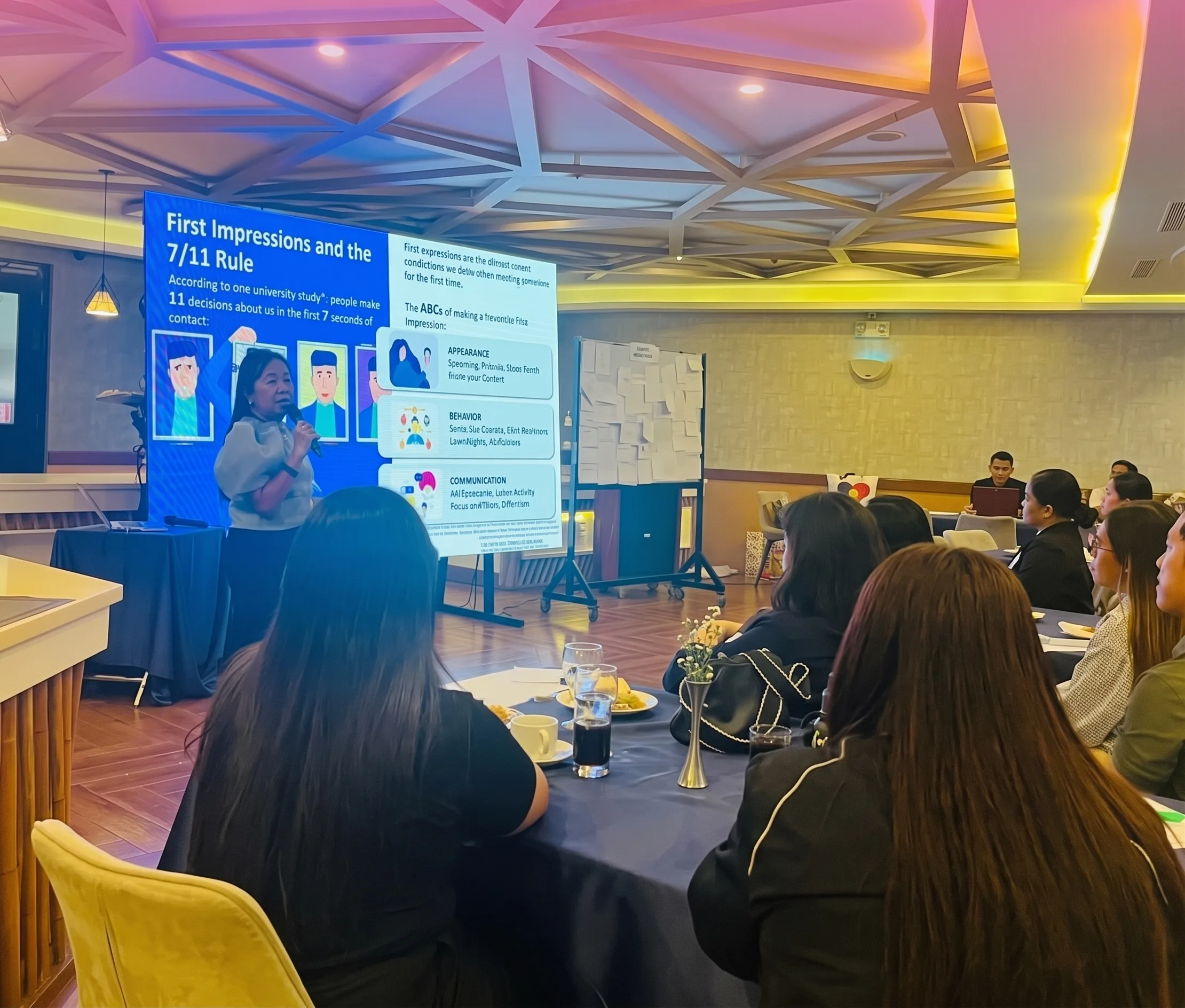
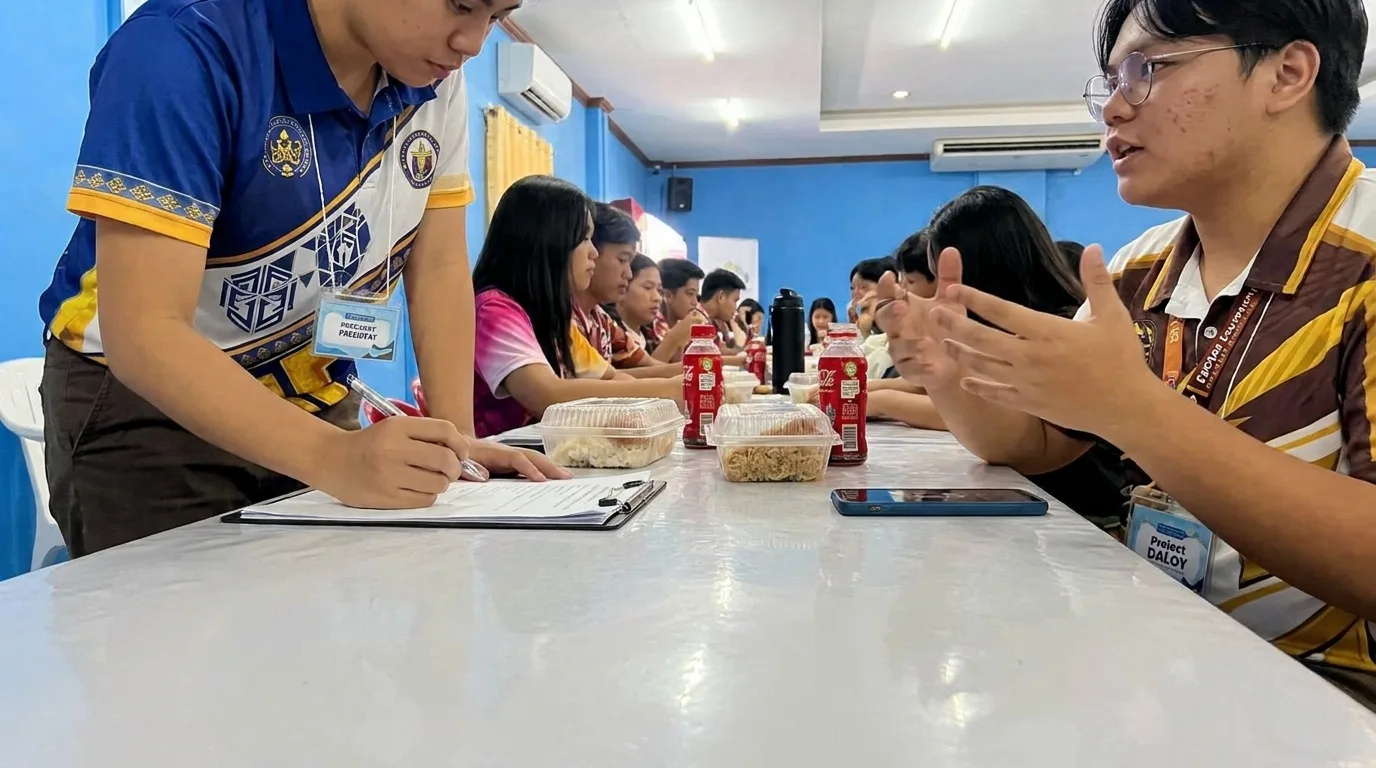
GENERAL SANTOS CITY- Student leaders often serve as representatives of their classmates, making their ability to listen and respond thoughtfully an important part of their responsibilities. Peace education helps develop values that go beyond maintaining order, encouraging young people to recognize differences without turning disagreements into hostility. Through the Project DALOY capacity-building activity, student-leaders are given a platform to strengthen their understanding of how peace can become part of everyday school life. This direction is consistent with DepEd's established Peace Framework, which recognizes education as an important means of promoting understanding and peaceful relationships. It also reinforces the idea that responsible leadership begins with how people treat one another.
Turning Understanding Into Positive School Relationships
A peaceful learning environment requires more than rules; it depends on the willingness of students to practice respect, empathy, and constructive communication. In September 2026, ChildFund Japan reported that 97 teachers and peace advocates in General Santos City participated in a separate peace education training covering dialogue, negotiation, mediation, and conflict resolution. Although that activity focused on teachers and peace advocates, it demonstrates the practical skills being promoted through peace education initiatives in the city. These approaches are relevant to student leadership because young representatives can help encourage respectful conversations and discourage harmful behavior among their peers. Developing such awareness can make student organizations valuable partners in creating a more welcoming school environment.
Giving Young People a Meaningful Role in Peacebuilding
The importance of Project DALOY extends to the kind of influence student leaders can bring beyond organized school activities. Young people who understand peaceful communication can help encourage cooperation, address misunderstandings responsibly, and remind their peers that differences do not have to become divisions. The Department of Education has also emphasized the role of schools in sustaining peace, highlighting respect, conflict resolution, and responsible citizenship in its July 2026 public statement reported by the Philippine Information Agency. These principles show why peace education deserves attention as part of students' development, rather than being treated as a topic discussed only during special occasions. Through initiatives such as Project DALOY, student leadership can be viewed not simply as a position to hold, but as an opportunity to help build a culture of understanding.