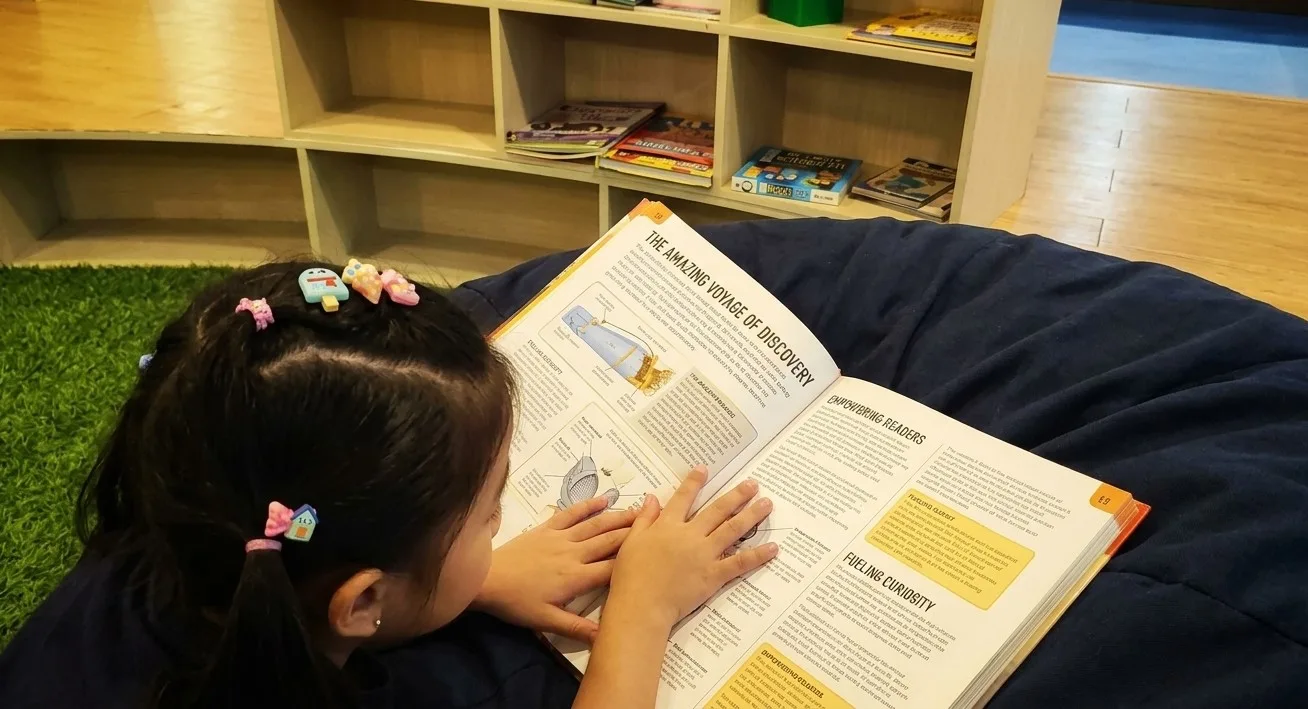
Reading Means Understanding, Not Just Finishing a Page
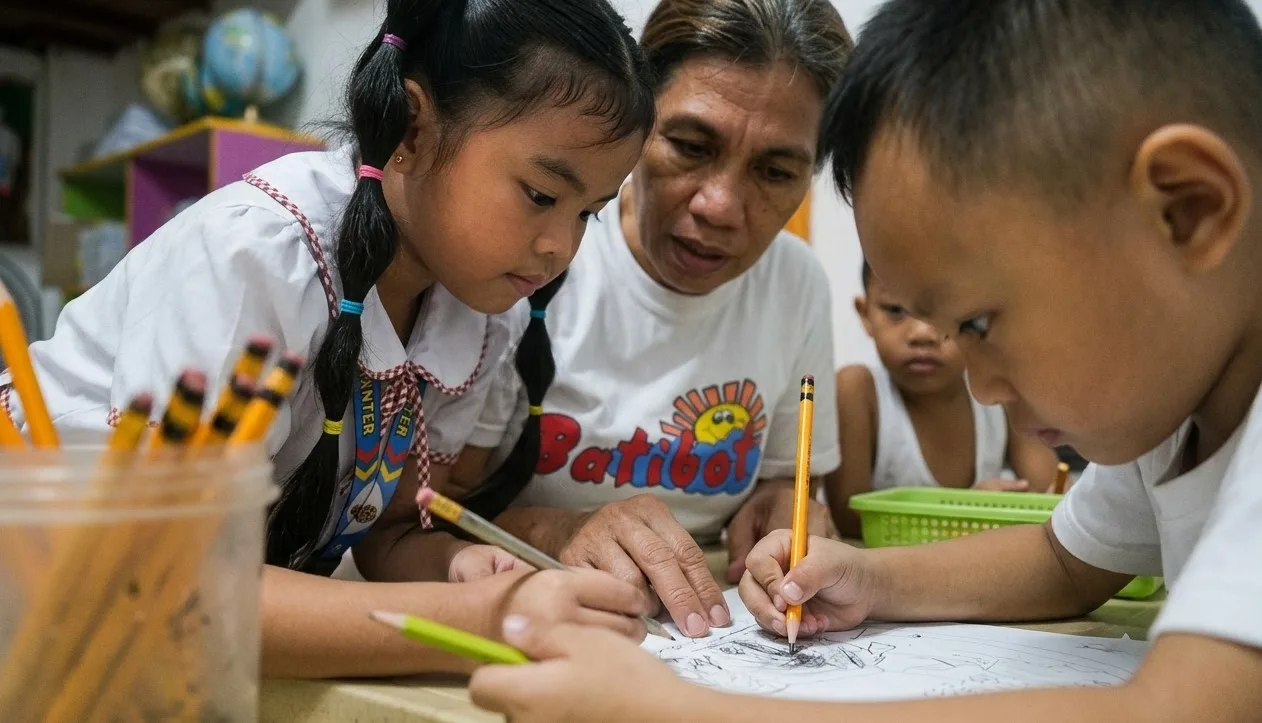
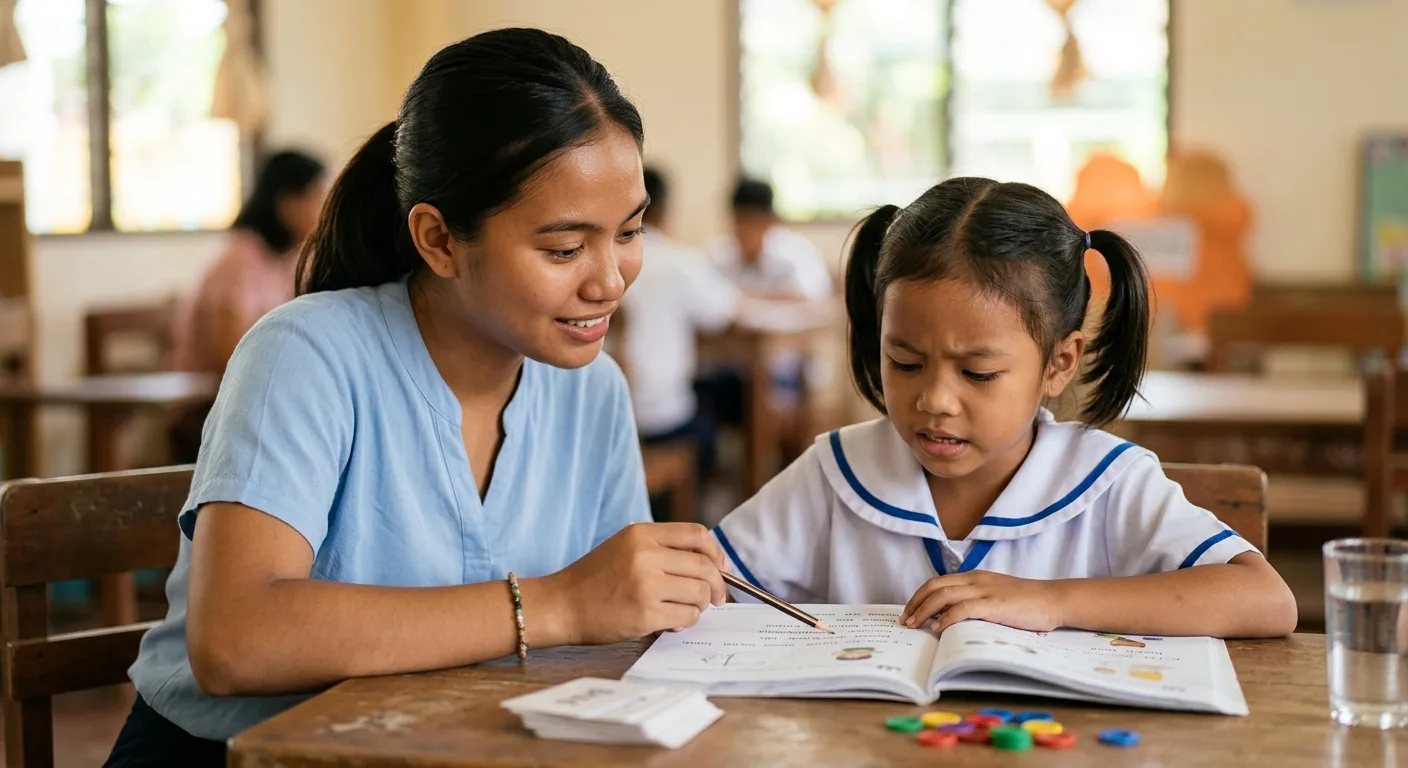
GENERAL SANTOS CITY- A child may pronounce every word correctly yet still need help understanding the meaning of a passage. Building literacy therefore involves asking questions, identifying important details, explaining what happened in a story, and connecting new information with familiar experiences. The Department of Education’s Academic Recovery and Accessible Learning (ARAL) Reading Program uses structured, learner-centered instruction that responds to pupils’ reading abilities rather than relying only on their age or grade level. For schools in General Santos City, this approach provides a useful framework for supporting children who need additional practice. Regular reading assessments and appropriate learning materials can help teachers identify where a learner needs guidance.
Small Reading Habits Can Make a Difference at Home
Reading development does not have to stop when the school bell rings. Parents and caregivers can help by setting aside a short period each day for reading, discussing a story together, or asking children to describe what they learned from a passage. Families who have limited access to books can explore school libraries, community reading resources, and age-appropriate materials available through legitimate educational platforms. Even simple activities, such as reading signs, recipes, short stories, or instructions aloud, can introduce children to practical uses of language. The aim is to make reading a familiar part of everyday life rather than a task associated only with homework or examinations.
Keeping the Learning Journey Going in General Santos City
Sustained literacy development depends on cooperation among teachers, learners, families, and the wider school community. In May 2026, the Department of Education reported improvements in national literacy and numeracy results based on assessments for School Year 2025–2026, while also emphasizing the importance of learning-recovery interventions. Those national results do not establish the reading performance of General Santos City specifically, but they illustrate why continued assessment and targeted instruction matter. Schools can support progress by monitoring individual reading needs, providing appropriate practice materials, and giving learners opportunities to discuss and explain what they read. With consistent support, the message “Padayon sa Pagbasa, Padayon sa Pagkat-on” becomes a practical reminder that literacy grows through steady effort, not a single activity