ILOILO CITY — The Iloilo provincial and city governments are strengthening preparedness measures against a projected strong El Niño, focusing on protecting water and food supplies, ensuring stable energy, safeguarding public health, and minimizing economic losses.
Provincial Task Force Organized
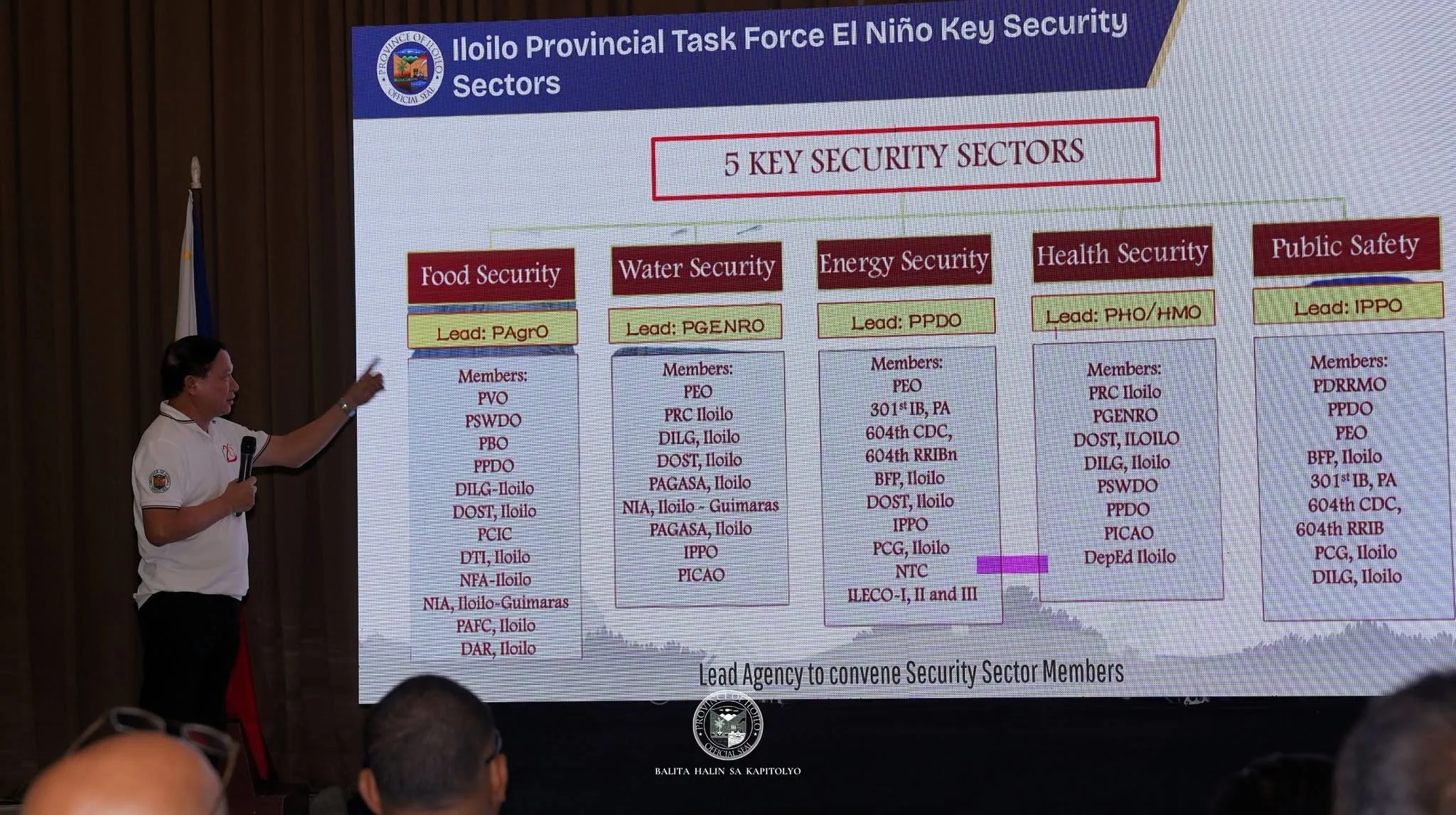
The Iloilo Provincial Disaster Risk Reduction and Management Office convened a meeting on Tuesday to organize the provincial task force established under Executive Order No. 67, series of 2026, issued by Governor Arthur Defensor Jr. PDRRMO chief Cornelio Salinas presented the task force structure, dividing members into five sectors.
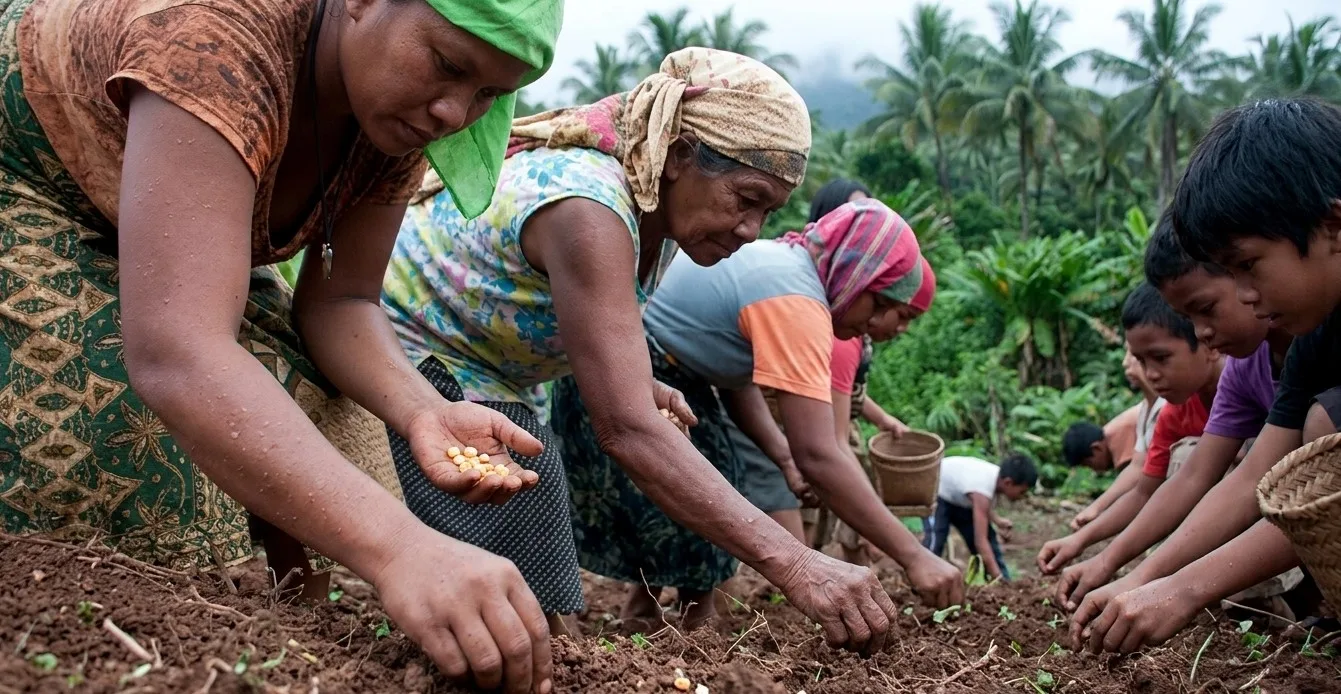
These sectors cover food security, water security, energy security, health security, and public safety. Guided by the Office of the Provincial Planning and Development Coordinator, each sector is preparing strategies for integration into the Provincial Action Plan for El Niño. The food security sector is developing measures to maintain supplies and reduce crop damage.
Five Sectors, Five Strategies
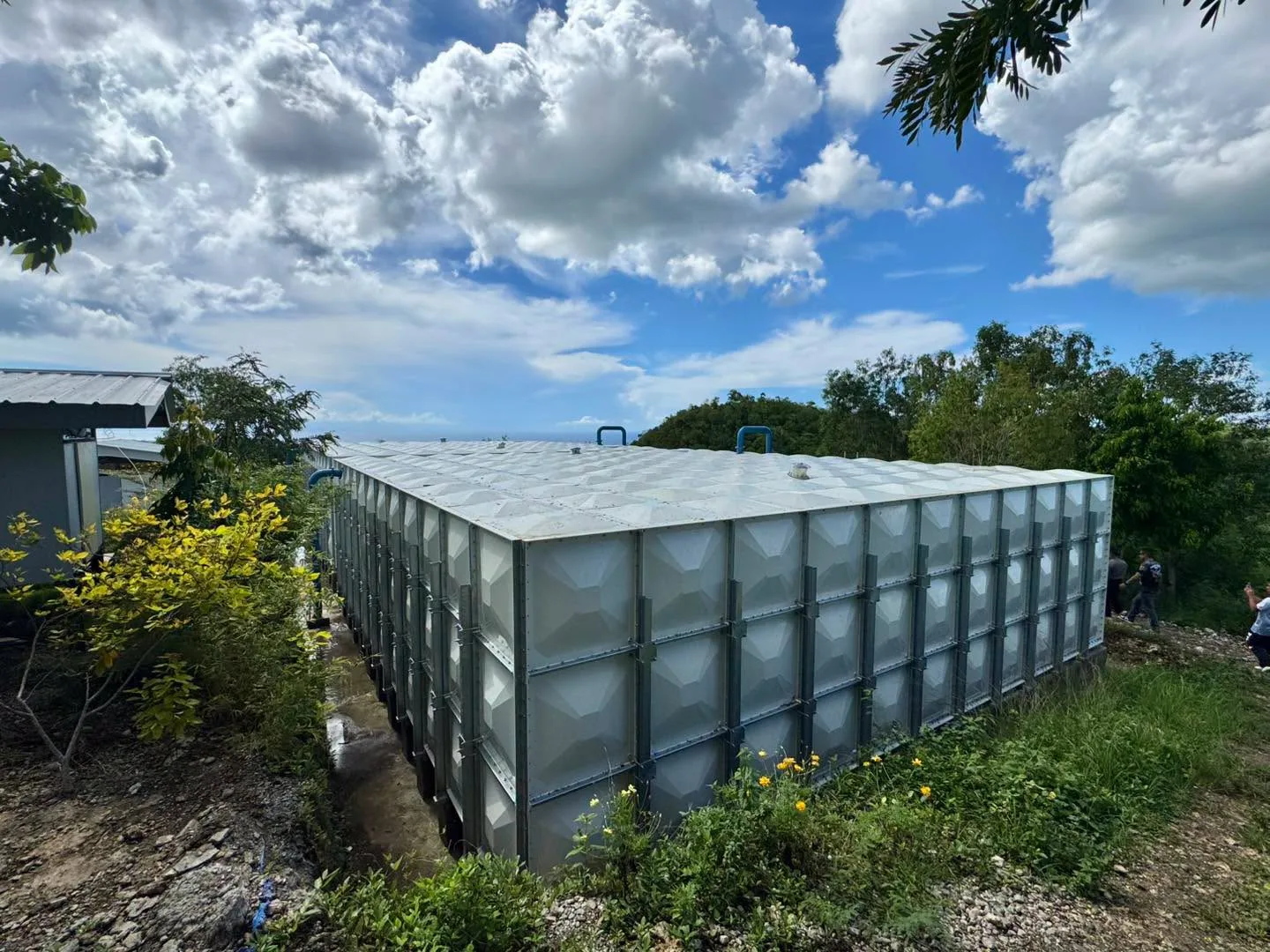
The water security sector focuses on ensuring adequate supplies for households, health facilities, and agricultural areas. The energy security sector is preparing measures to reduce power disruptions and protect utility infrastructure from drought-related stress.
The health security sector will strengthen services responding to heat-related illnesses and possible disease outbreaks. The public safety sector will prevent El Niño-related incidents and maintain peace and order during prolonged dry conditions. Each sector's output will form part of a unified provincial response.
Provincial Administrator Raul Banias emphasized the need for long-term strategies adaptable to recurring climate challenges. "We should not only have a short-term action plan. We need a resilient long-term framework that we can adapt continuously," he said.
City Prepares Three Scenarios
In Iloilo City, Mayor Raisa Treñas convened an emergency meeting of the Crisis Management Council after reviewing data from a scientific forum. She directed offices and response clusters to prepare contingency plans based on three scenarios presented by the City Disaster Risk Reduction and Management Office.
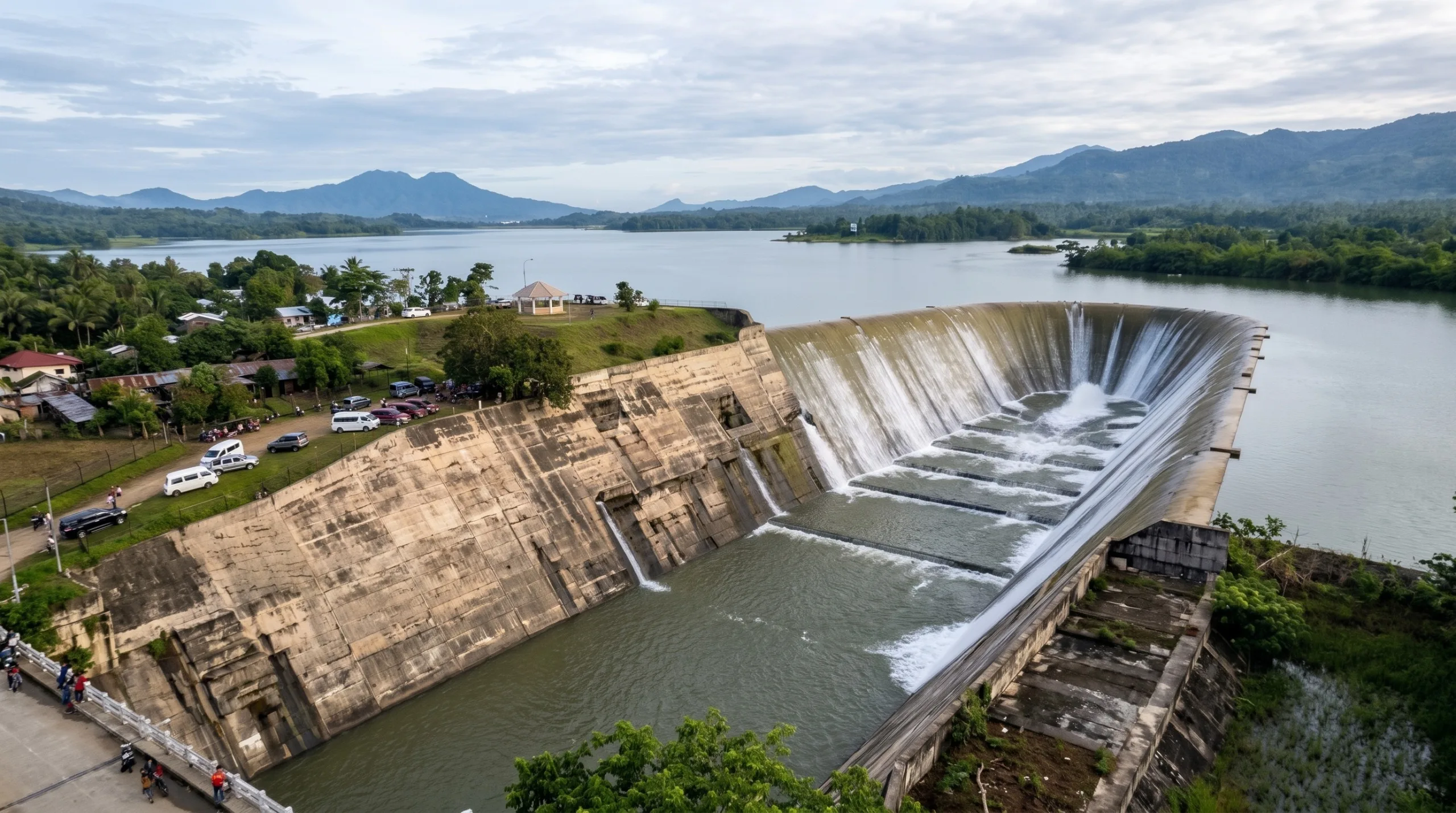
Initial assessments indicate dry conditions could persist until December, while a worst-case scenario could extend effects until June next year. The city is monitoring potential impacts on the Maasin Watershed and Jalaur River, both important water sources. The threat extends beyond water shortages to electricity, public health, food availability, and employment.
Priority Actions Across Clusters
The city directed response clusters covering administrative support, logistics, food security, price monitoring, public information, critical infrastructure, law and order, health security, fleet management, and energy conservation to develop measures. Priority actions include identifying high-risk barangays and monitoring water sources.
Coordination with water providers and power utilities is ongoing, alongside preparations at health facilities and promotion of water conservation. The city is assessing extreme heat effects on schools, outdoor workers, and vulnerable sectors. Treñas said clear responsibilities and practical measures are essential for each cluster.
PAGASA Projects Strong El Niño
PAGASA has projected a strong El Niño from October through the first quarter of 2027. Western Visayas expects below-normal rainfall in October and November, potentially dropping to way below normal from December through March. The prolonged dry spell poses risks to agriculture, water availability, and livelihoods.
Both local governments continue coordinating with PAGASA, scientific experts, and utility providers to monitor developments and update plans. Through synchronized planning, they aim to reduce drought impact and strengthen community resilience against recurring climate emergencies.