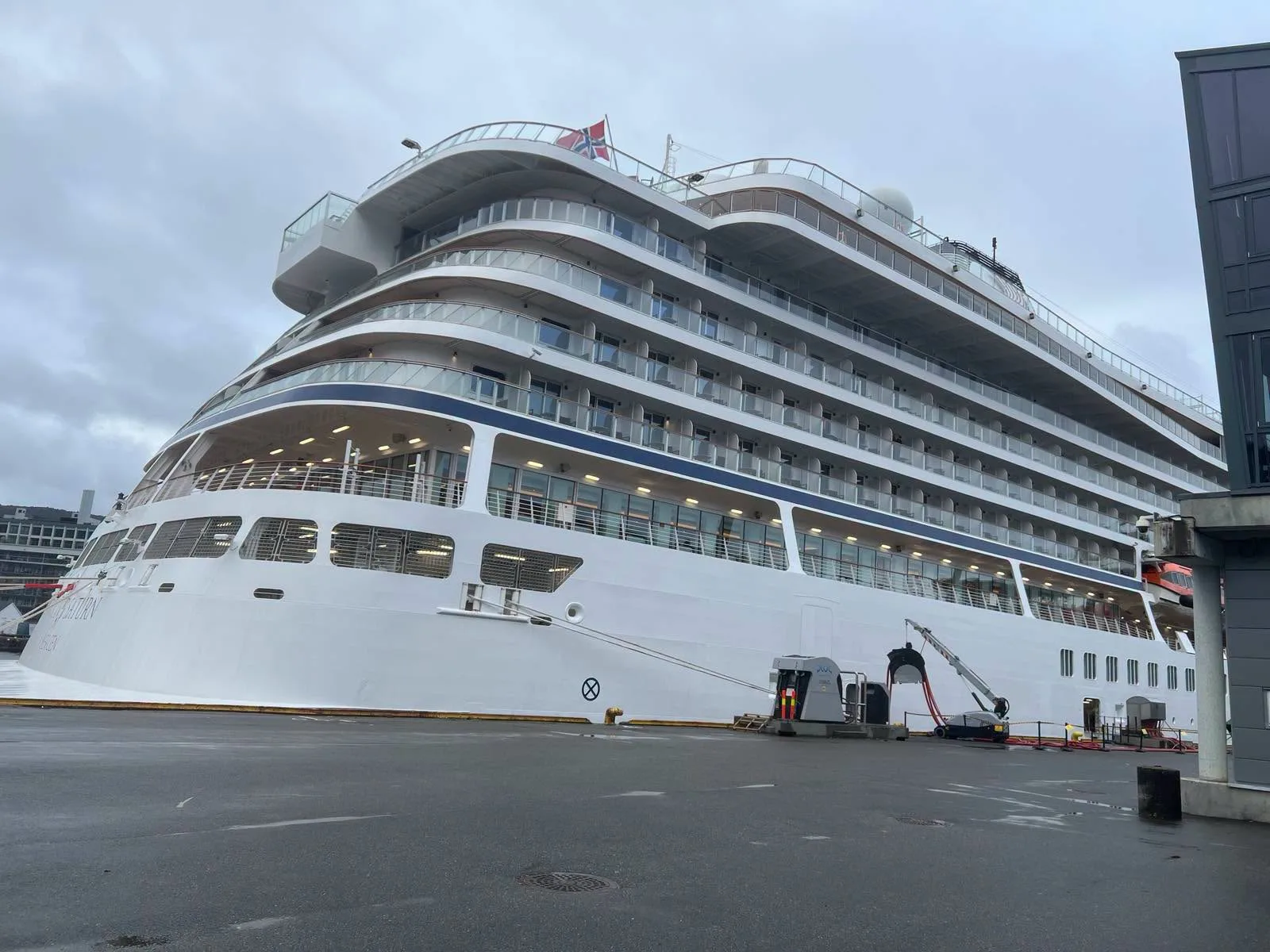
ILOILO — The Department of Transportation and the Maritime Industry Authority are setting their sights on a major maritime shift. They are moving to pilot-test electric ferries for the Iloilo-Bacolod route and hybrid vessels for Batangas-Calapan to lower carbon emissions and operational costs.
A Greener Horizon for Maritime Travel
This initiative directly supports President Ferdinand Marcos Jr.'s agenda for cleaner public transportation. Acting DOTr Secretary Giovanni Lopez stated that the goal is to see how this technology benefits passengers, ship owners, and the environment by reducing fuel consumption, emissions, and operational costs.
MARINA is pursuing this project based on an earlier study by the International Maritime Organization and the World Bank. Pure electric vessels are best suited for shorter routes like Iloilo-Bacolod, while hybrid ships, which use both diesel and electric motors, are more practical for medium-distance trips.
Tailoring Technology to Local Routes
Engr. Ramon Hernandez, Director II of MARINA, highlighted that e-ferries will address environmental concerns by cutting carbon dioxide emissions. They will also tackle the high cost of fuel oil, potentially lowering power consumption costs and eventually benefiting commuters who rely on water transportation.
The data underscores the urgency of this transition. Out of roughly 4,000 domestic passenger ships in the country, about 300 inter-island ferries account for a staggering 86 percent of carbon dioxide emissions from domestic ferries, despite recording 69 million maritime passenger trips in 2025.
Significant Economic and Environmental Impact
The World Bank noted that while an electric ferry costs about US$10 million more upfront, it can yield returns exceeding 8 percent. A conventional ferry could spend up to US$50 million on fuel alone over 15 years, making electric options highly viable for long-term savings and operational efficiency.
World Bank Senior Port and Maritime Transport Specialist Ninan Biju Oommen emphasized that passengers will not bear the cost of this transition. By extending the life cycle time for a 15-year operating cycle, ferry operators can recover their investments without increasing ticket prices for the riding public.
Safeguarding Passenger Fares
This financial model ensures that the shift toward sustainable maritime transport remains equitable. Routes that carry at least 500,000 passengers annually, like the busy Iloilo-Bacolod corridor, were identified as particularly suitable for these electric ferry operations, ensuring a steady stream of revenue.
Archipelago Philippine Ferries Corporation President Christopher Pastrana expressed willingness to retrofit a FastCat vessel to electric power for the pilot. He noted that Norway’s expertise proves that a collaborative national program between the government and private sector can successfully develop the entire transport ecosystem.
Private Sector and International Collaboration
The DOTr and MARINA will convene government agencies, development partners, and shipowners in Iloilo City on November 4 for a Stakeholder Consultation on the Interisland Ferry Decarbonization Pilot Project. The meeting will discuss vessel technology, charging infrastructure, financing, and retrofitting requirements.
This ambitious leap toward decarbonization represents a significant step forward for the Philippine maritime industry. By embracing global innovations and fostering strong public-private partnerships, the country is positioning itself as a leader in sustainable sea transport across Southeast Asia.