OTON, Iloilo — The Local Government Unit of Oton, led by Mayor Sofronio L. Fusin Jr., partnered with the Department of Agriculture–Western Visayas and the Bureau of Soils and Water Management to conduct a soil sampling activity on June 22. The initiative, part of the National Soil Health Program, aims to give farmers the data they need to cultivate healthier, more productive land.
Science Beneath the Surface
Field specialists collected soil samples from ten designated sites across nine barangays, including Lambuyao, Turog, and Sta. Monica. Each scoop of earth holds the key to understanding nutrient levels, acidity, and organic matter content. The samples will undergo comprehensive chemical, physical, and biological analyses at DA laboratories.
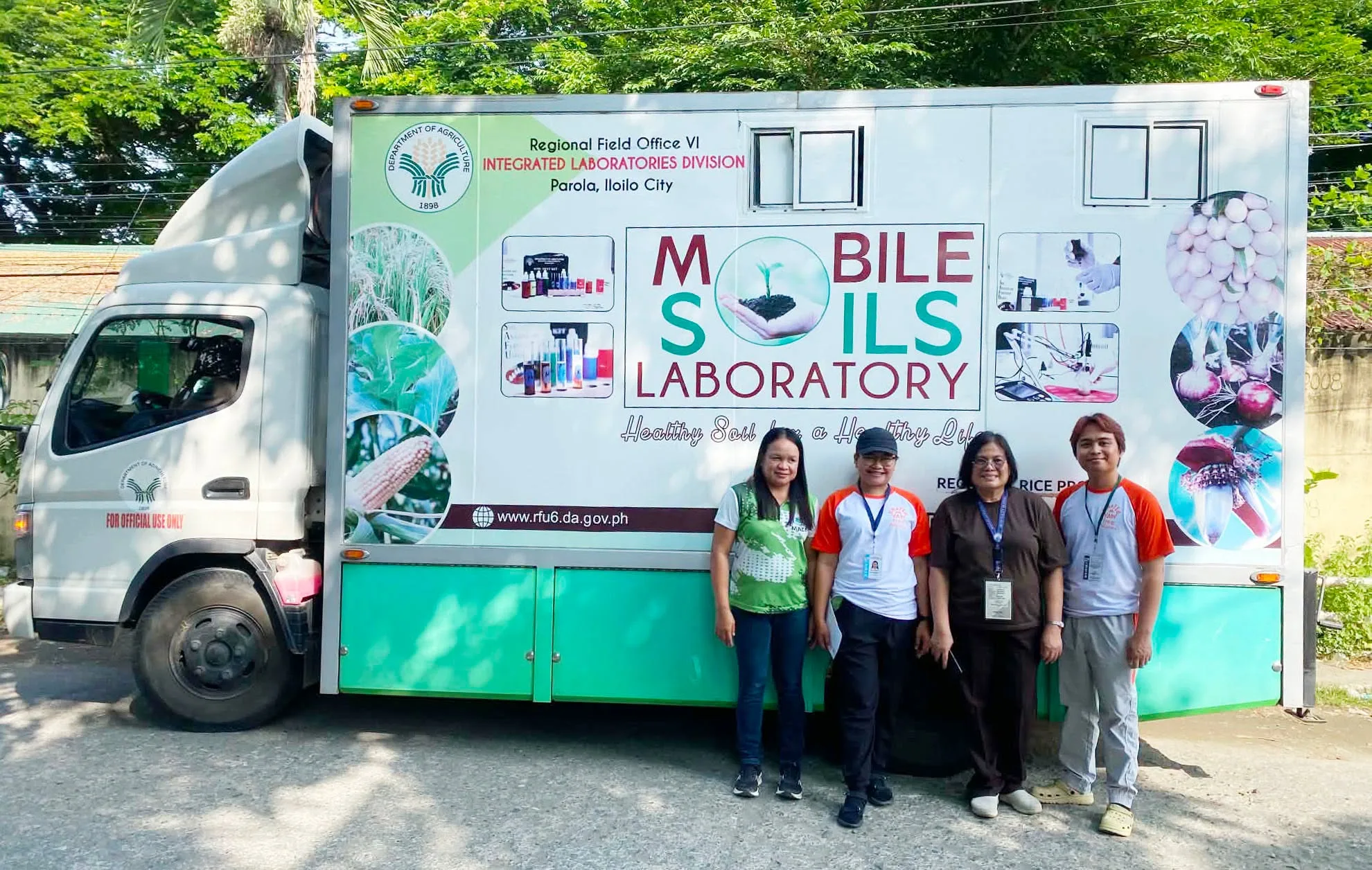
Led by DA personnel Marc Stephen Cagayan and Sharmaine Robisco, the team worked alongside the Municipal Agriculture and Cooperative Office. Their goal was to create a scientific baseline for soil fertility management. By knowing exactly what the soil lacks or has in excess, farmers can stop guessing and start making informed decisions.
Data-Driven Decisions for Farmers
For too long, many farmers have relied on generic fertilizer applications that can harm the land and inflate costs. The collected data will generate site-specific recommendations under the Adaptive Balanced Fertilization Strategy. This approach promotes a mix of organic amendments and precise inorganic inputs, cutting waste and protecting soil health.
The GPS-tagged samples will also feed into a national soil database used to track long-term agricultural trends. This allows the government to design better support programs and respond to emerging soil degradation issues. For Oton’s farmers, the immediate benefit is a clear roadmap to higher yields and lower expenses.
Part of a National Effort
The activity is a vital component of the nationwide National Soil Health Program, which spans 17 regions and 81 provinces. The program deploys Mobile Soils Laboratories to rural areas, making advanced testing accessible to smallholder farmers. Oton’s participation demonstrates how local governments and national agencies can work together to revitalize Philippine agriculture.
By investing in soil health, the municipality is also building resilience against climate change. Healthy soils retain more water during droughts and absorb heavy rains, protecting crops from extreme weather. The data gathered will guide sustainable practices for years to come.
A Commitment to Agricultural Progress
Mayor Fusin and the Municipal Agriculture Office have pledged to continue supporting science-based farming. The soil sampling is just the first step in a broader campaign to modernize Oton’s agricultural sector. As the laboratory results come in, the LGU will organize farmer education sessions to translate the data into practical action, ensuring that every farmer can benefit from the science growing beneath their feet.