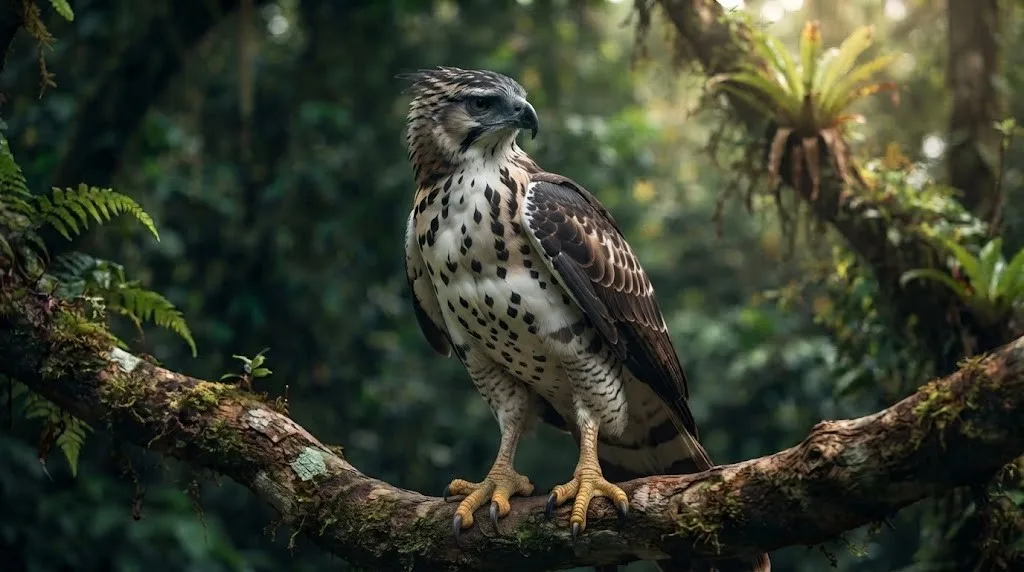
Native Wildlife Returns to Its Natural Habitat
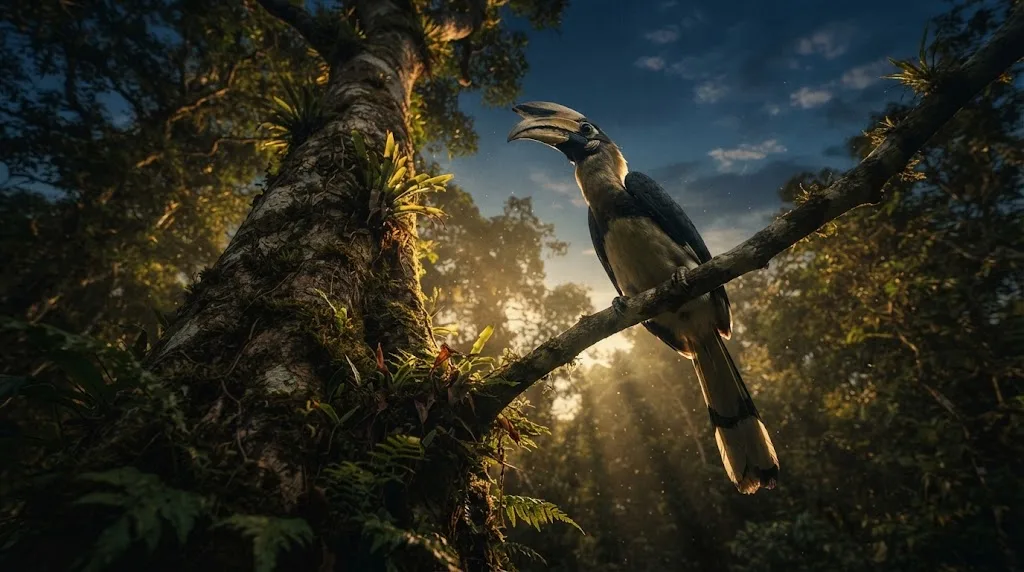
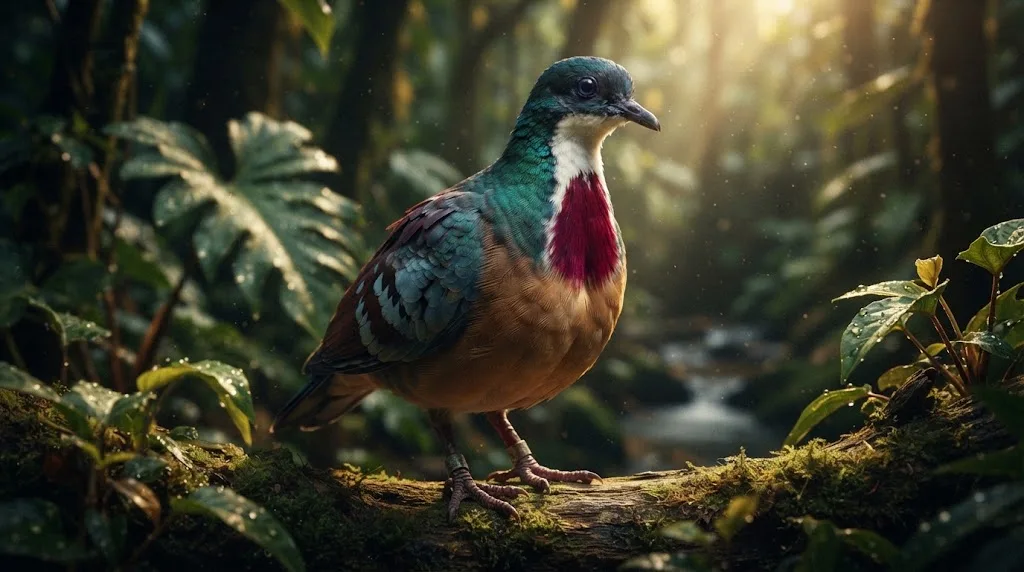
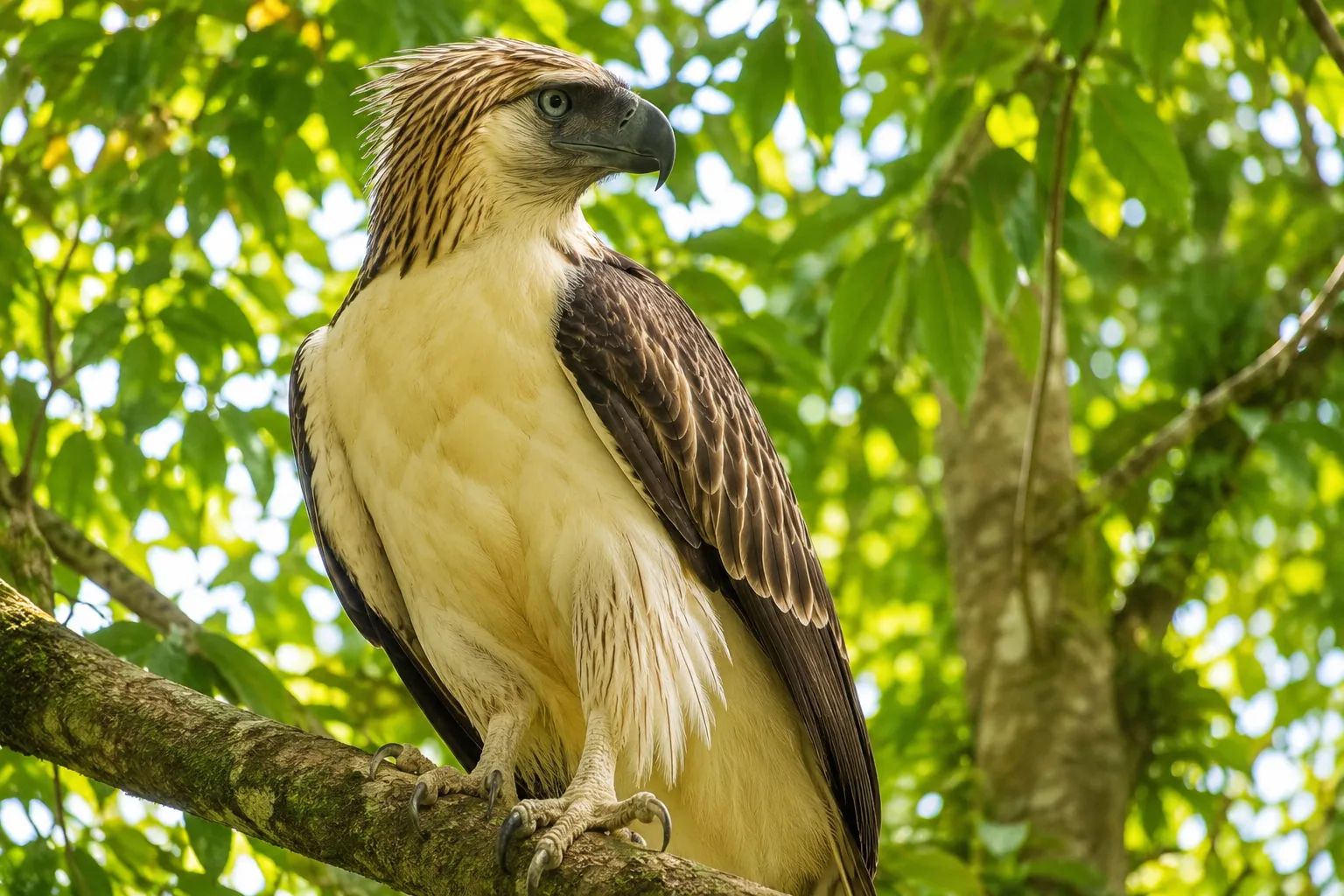
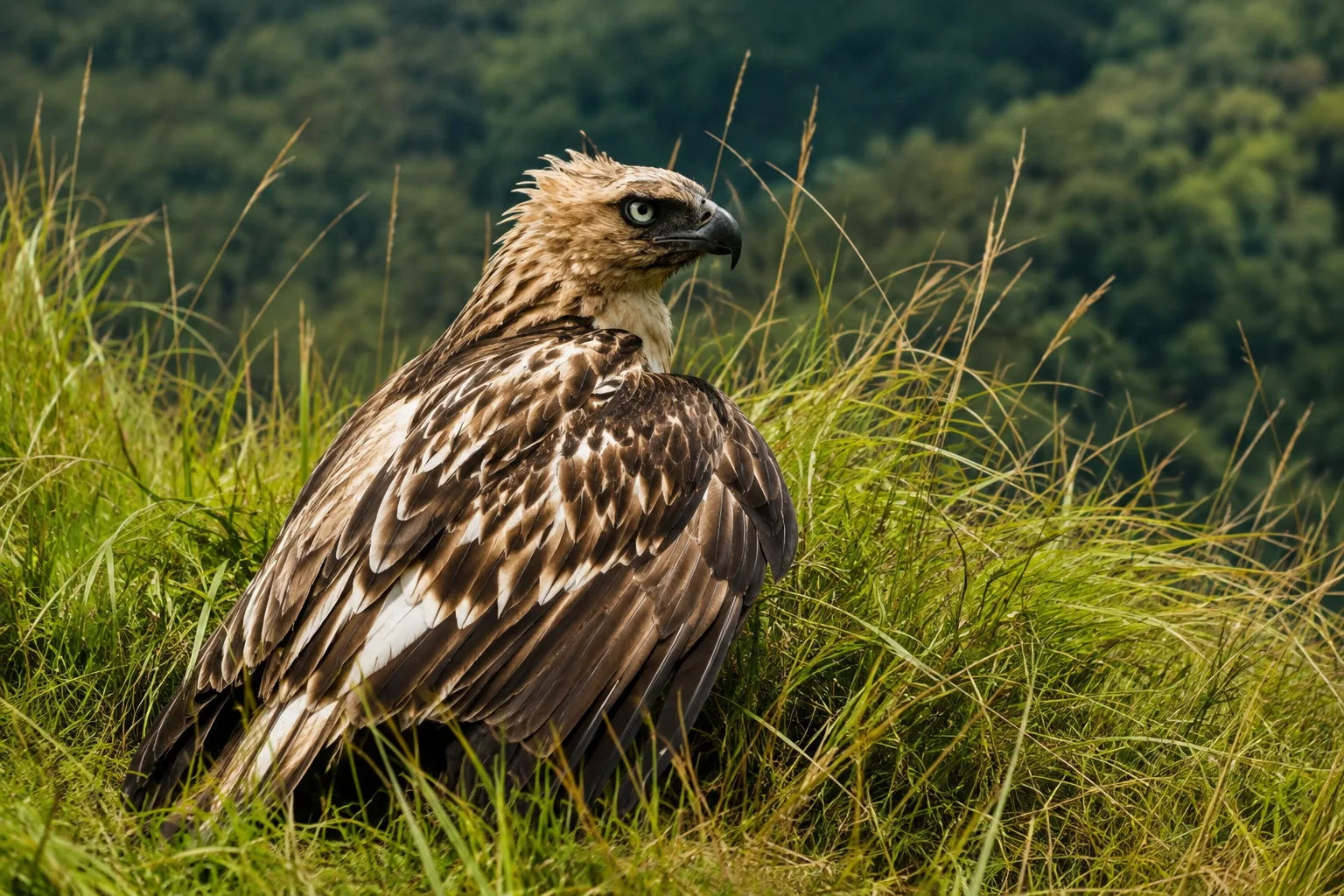
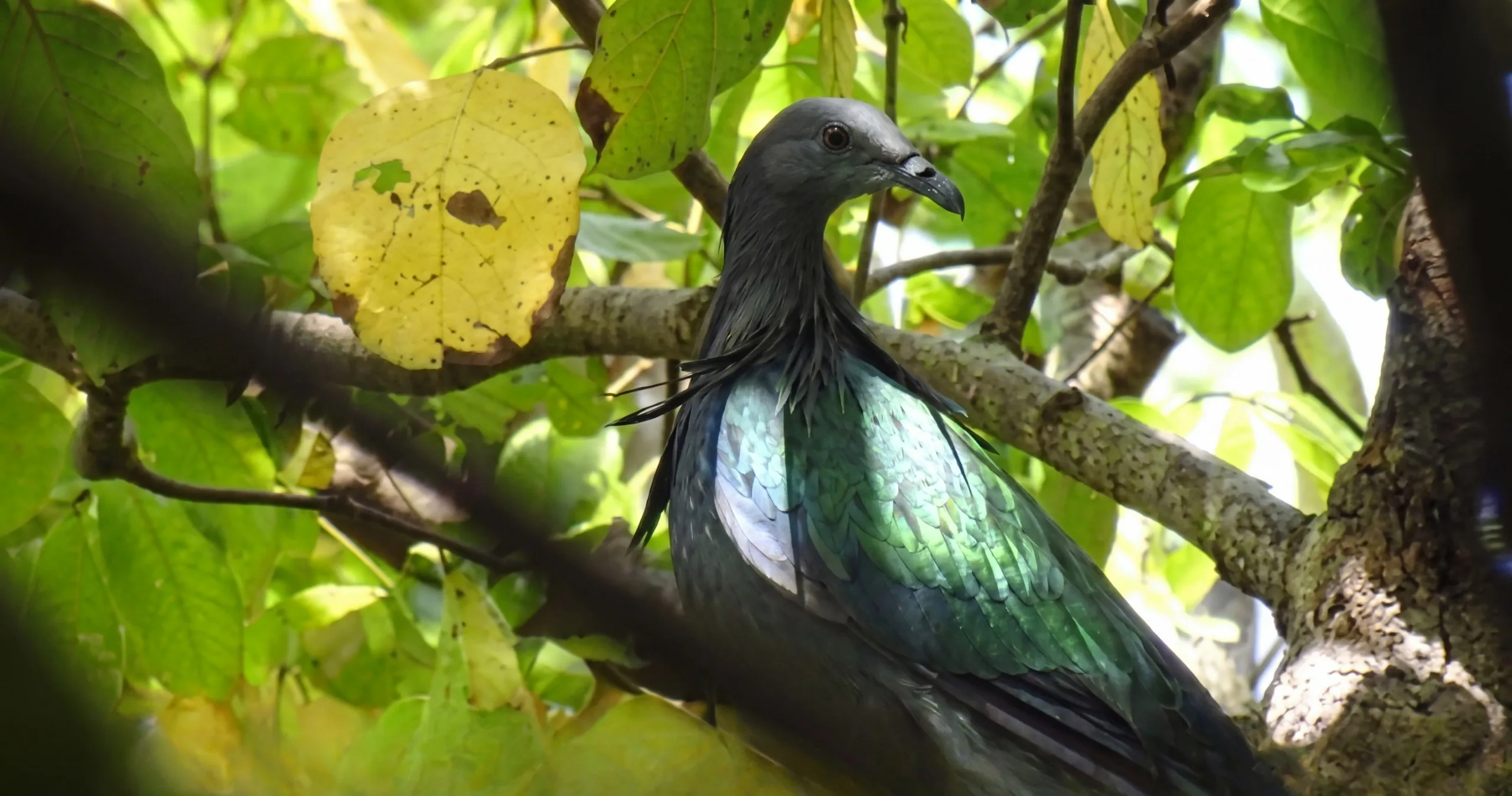
LEYTE - Eight rescued and rehabilitated native wild animals have been safely released into Mahagnao Volcano Natural Park in Burauen, Leyte, following months of care and rehabilitation by wildlife experts. The release included several native bird species, among them the endangered South Philippine Hawk-Eagle and the critically endangered Philippine Hanging Parrot, along with Philippine ducks and Black-chinned Fruit Doves. Before being returned to the wild, each animal underwent careful medical treatment, health assessments, and behavioral monitoring to ensure they were capable of surviving independently. Conservation specialists selected the protected park because of its healthy forest ecosystem and suitable habitat for the species being reintroduced. The successful release represents another positive step in preserving the Philippines' rich biodiversity while giving rescued wildlife a second chance to thrive in their natural environment. It also highlights the importance of continued rescue and rehabilitation efforts for threatened native species.
Mahagnao Volcano Natural Park Supports Biodiversity
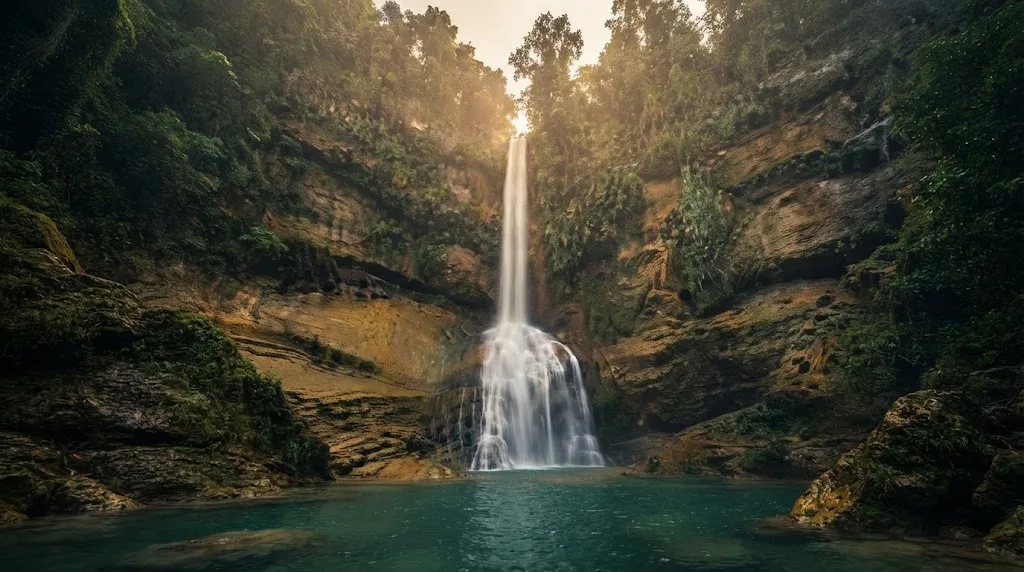
Mahagnao Volcano Natural Park continues to serve as one of Eastern Visayas' important conservation areas, providing a protected environment for many endemic plants and animals. Its forests, freshwater systems, and diverse ecosystems create favorable conditions for wildlife to forage, breed, and establish natural territories. Returning rehabilitated animals to protected habitats helps restore ecological balance while strengthening wild populations of native species. Conservationists carefully evaluate release sites to maximize the animals' chances of adapting successfully to life in the wild. Protected areas such as Mahagnao also play an essential role in preserving the region's natural heritage while supporting scientific research and environmental education. These conservation efforts contribute to maintaining healthy ecosystems that benefit both wildlife and surrounding communities.
Rescue and Rehabilitation Remain Essential
Wildlife rescue centers continue to play a vital role in protecting animals that have been injured, displaced, or affected by human activities. Veterinarians and wildlife specialists provide medical care, rehabilitation, and continuous observation to ensure rescued animals regain the strength and natural behaviors needed before returning to their habitats. Conservation authorities also remind the public that native wildlife should be turned over to the nearest Department of Environment and Natural Resources office or authorized wildlife rescue center whenever they are found injured or stranded. Proper reporting allows trained professionals to provide appropriate treatment while preventing unnecessary harm to protected species. Public cooperation remains one of the most important factors in strengthening wildlife conservation efforts across the country. Through these combined initiatives, more rescued animals can successfully return to the wild where they belong.
Conserving Leyte's Natural Heritage for Future Generations
The successful release of the eight rehabilitated animals demonstrates the continuing commitment of conservation organizations and government agencies to protecting the unique wildlife of Eastern Visayas. Every successful reintroduction contributes to healthier ecosystems and supports long-term biodiversity conservation across the region. These initiatives also encourage greater public appreciation for the importance of preserving forests and respecting wildlife protection laws. As more native species recover and return to protected habitats, Leyte continues to strengthen its role as an important center for environmental conservation in the Philippines. Sustained collaboration among government agencies, environmental organizations, and local communities will remain essential in safeguarding the country's natural resources. By investing in wildlife rescue, habitat protection, and public awareness, conservation efforts continue to create a brighter future for the Philippines' diverse and irreplaceable wildlife.