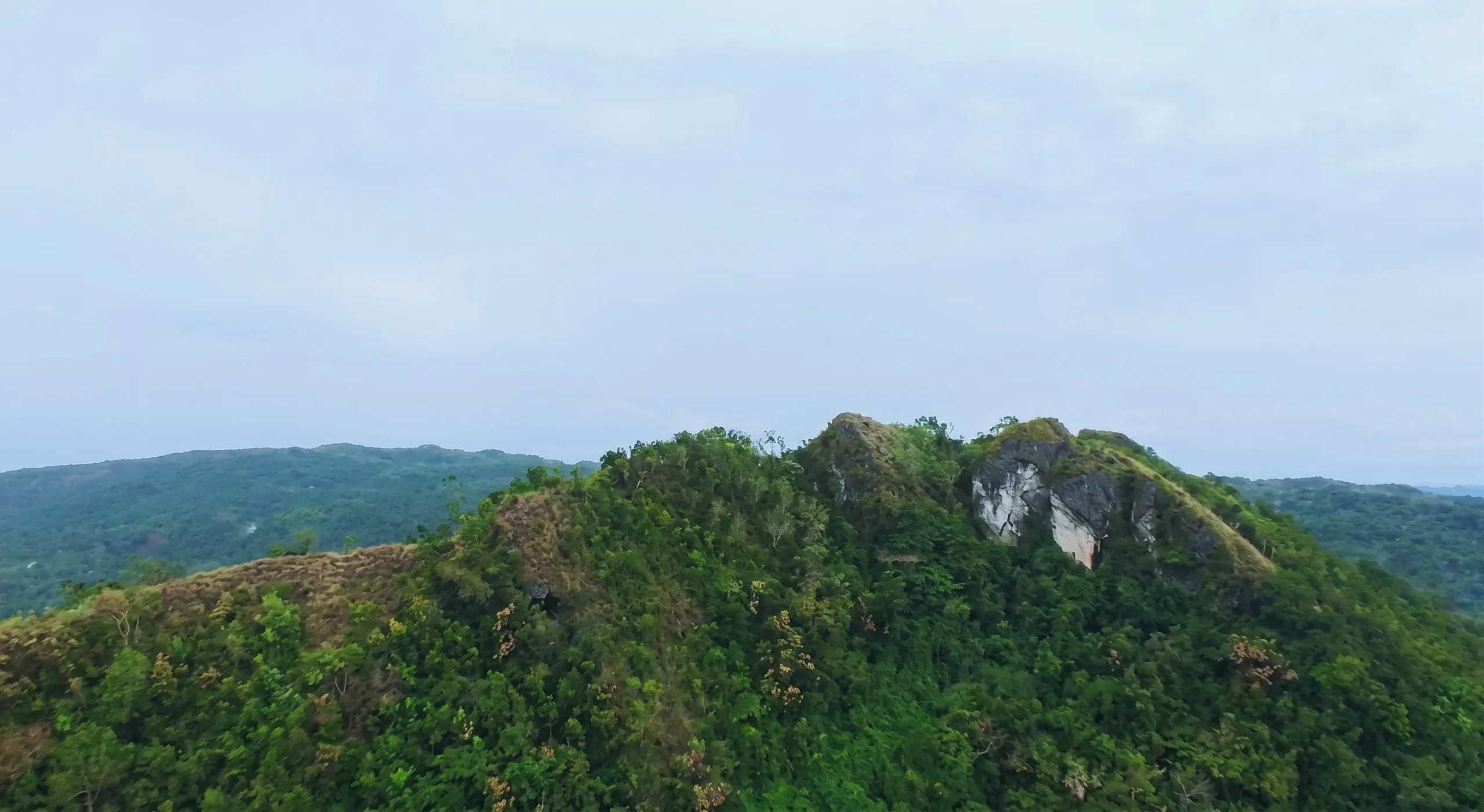
VILLABA, LEYTE — Towering over the lush landscapes of northwestern Leyte, Bugabuga Hills (Mt. Buga-buga) has evolved from a somber World War II battleground into one of the municipality's most significant historical and adventure tourism landmarks. Combining dense tropical forest trails, rugged limestone rock formations, and deep historical resonance, the site draws eco-tourists, history enthusiasts, and pilgrims seeking both physical challenge and reflection.
A Last Stronghold of World War II History
During the Japanese occupation of Leyte from 1942 to 1945, Bugabuga Hills served as a major strategic military camp for the Imperial Japanese Army. In the final phases of the Leyte Campaign, the maze-like limestone crevices, caves, and natural rock fortresses of the hill became the last stronghold for Japanese forces led by General Sosaku Suzuki. Heavy crossfire between Allied and Japanese troops transformed the area into a intense battleground. Decades later, the hill stands as a solemn historical landmark, where peace memorials commemorate the lives lost and promote reconciliation between the Philippines and Japan.
Rugged Trails and Breathtaking Views
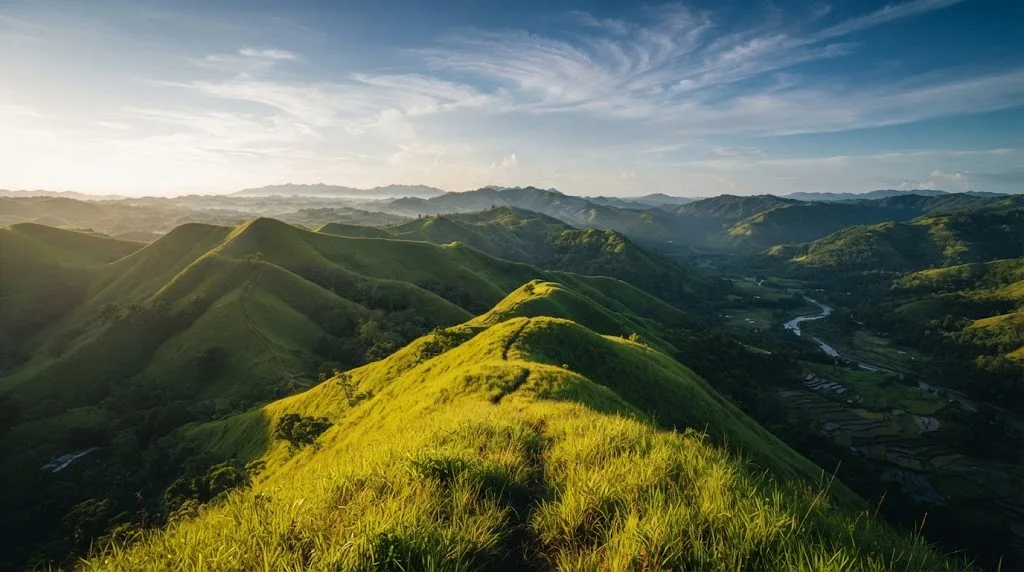
Beyond its historical legacy, Bugabuga Hills offers an exhilarating trek for outdoor enthusiasts. The hike navigates through dense jungle canopy, dramatic limestone walls draped in creeping flora, and narrow rock passages that lead upward toward the summit. Reaching the peak rewards trekkers with sweeping panoramic views of Villaba’s rolling green hills, neighboring coastal stretches, and the surrounding waters of the Camotes Sea, making early morning and late afternoon climbs popular for witnessing the sunrise or sunset.
Pilgrimage Site and Eco-Tourism Hub
In addition to its appeal to hikers, Bugabuga Hills holds spiritual significance for the local community. During Holy Week, particularly on Good Friday, residents and visitors trek up the hill as part of an annual religious pilgrimage. Local tourism initiatives continue to focus on preserving the site's natural biodiversity while maintaining safe, sustainable trails to ensure that Bugabuga Hills remains a protected sanctuary of heritage, nature, and peace for future generations.