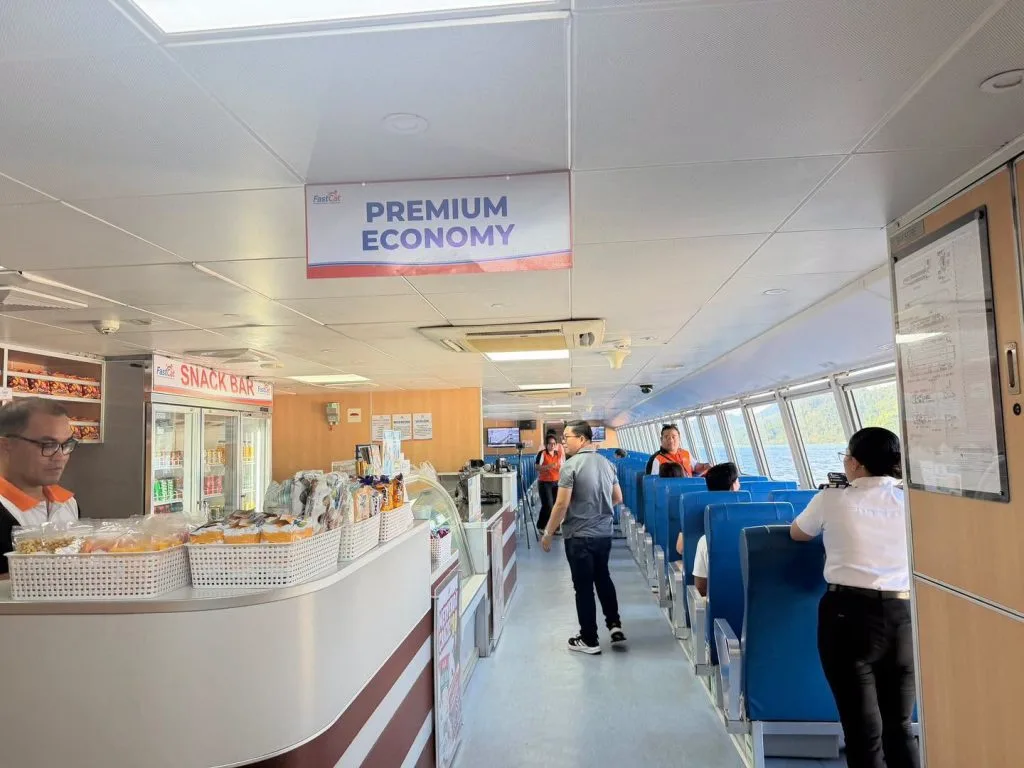
LEYTE— The coastal town is breathing a collective sigh of relief as Archipelago Philippine Ferries Corporation's FastCat officially reopened its maritime route to Surigao on October 20, 2026. The resumption ends nearly two years of severe economic stagnation that had turned the local port into a ghost town.
A Vital Link Restored
Serving as a crucial three-hour passage connecting the Visayas to Mindanao, this sea link has long facilitated the movement of passengers, agricultural goods, and commercial vehicles. Its revival is expected to immediately restore the vital flow of commerce between Southern Leyte and Surigao del Norte.
Mayor Jonna Adan emphasized that the route's return represents much more than just a transport service. It is a critical opportunity to restore shattered livelihoods, attract new travelers, stimulate local commerce, and breathe life back into local businesses that struggled during the prolonged maritime disruption.
Addressing the Bridge Bottleneck
The prolonged closure of the sea route was precipitated by structural restrictions imposed on the vital Liloan Bridge, which barred heavy cargoes from passing through. This bottleneck led to consecutive ferry operator pullouts and an estimated P16-million loss in local income for the municipality.
FastCat Captain Mark Saladino acknowledged that the ferry company also suffered significant financial setbacks when operations halted early last year. However, he remains highly optimistic that the resumption of services will quickly restore economic activity along this heavily utilized maritime corridor.
Southern Leyte Vice Governor Rosa Emilia Mercado highlighted that the bridge restrictions severely affected all municipalities on Panaon Island. She continues to urge national agencies to fast-track the bridge repairs so the island can fully restore its port operations and reopen its commerce.
Reviving Local Commerce
With the sea link operational once again, local businesses are gearing up for a much-needed influx of customers. Eateries, convenience stores, transport services, and accommodation providers stand to directly benefit from the renewed stream of passengers and motorists traversing the town.
The community is looking forward to stronger commercial activity and the gradual return of maritime-dependent livelihoods. However, sustained economic recovery will heavily rely on the continuity of the ferry services and the ability of local enterprises to capitalize on the renewed flow of travelers.
Transport operators and residents are expressing renewed hope for the future. The gradual normalization of port activities will allow agricultural producers to transport their harvests efficiently, mitigating the logistical challenges that plagued the region for the past two years.
The reopening of the Liloan-Surigao connection marks a significant turning point for the region. As goods and people move freely once again between Eastern Visayas and Mindanao, the coastal town is poised to reclaim its status as a bustling hub of trade and transportation.