A Long-Term Commitment to Better Healthcare
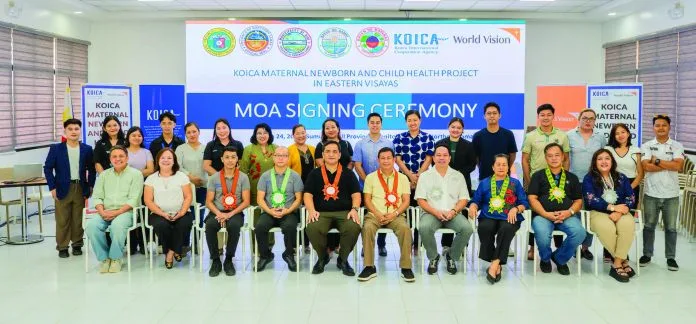
LEYTE - The Provincial Government of Northern Samar has partnered with the Korea International Cooperation Agency (KOICA) and World Vision to launch the second phase of the Maternal, Newborn, and Child Health (MNCH) Project. Formalized through a memorandum of agreement with the municipalities of Biri, Gamay, and Mapanas, the five-year initiative aims to improve access to quality healthcare services for mothers, newborns, and young children across the province. Provincial leaders emphasized that the collaboration reflects a shared commitment to protecting the health and well-being of families, particularly those living in geographically isolated and disadvantaged communities. The project also supports the province's long-term goal of building a healthier population as a foundation for sustainable economic and social development.
Strengthening Local Health Services
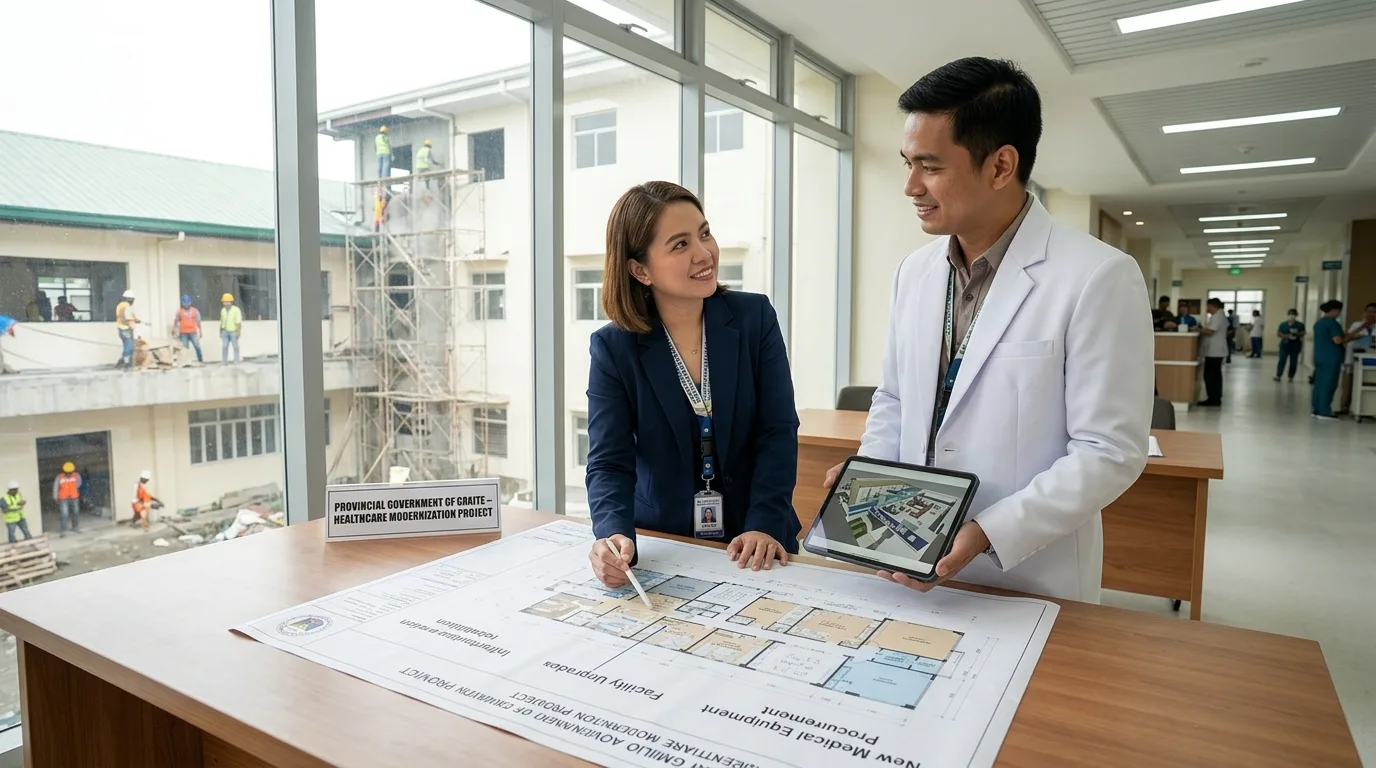
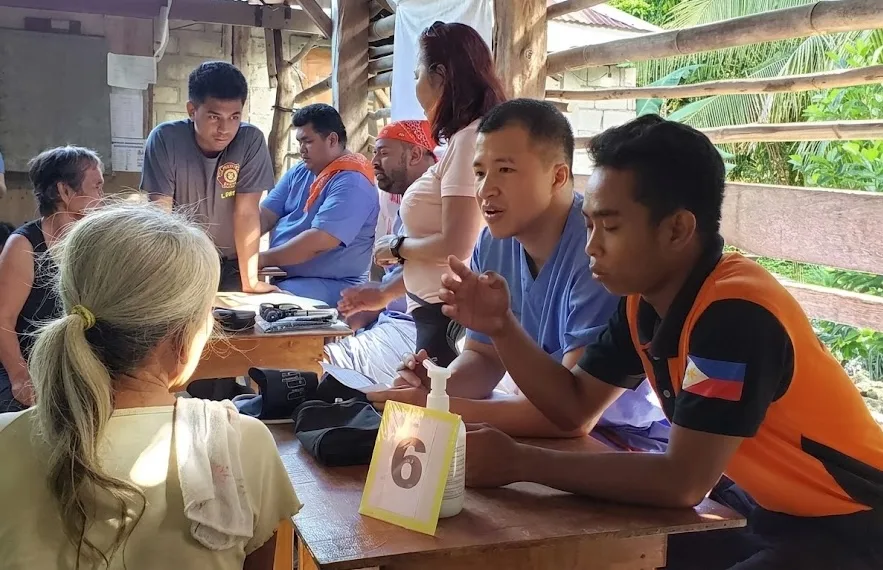
The partnership includes a comprehensive package of interventions designed to improve healthcare delivery at the community level. Planned activities include the rehabilitation and construction of health facilities, the provision of medical equipment, medicines, vitamins, and essential healthcare supplies, as well as extensive capacity-building programs for healthcare professionals and barangay health workers. A key component of the initiative is the implementation of the Timed and Targeted Care for Families (ttCF) strategy, which enables trained community health workers to regularly visit pregnant women and families with newborns to ensure they receive timely medical guidance and referrals. These efforts are expected to enhance the quality and accessibility of maternal and child healthcare services throughout the beneficiary municipalities.
Improving Health Outcomes for Future Generations
The MNCH Project is expected to play a significant role in reducing maternal and newborn mortality while strengthening public health systems across Northern Samar. Through continued collaboration among the provincial government, municipal local government units, KOICA, World Vision, and healthcare providers, the initiative will help ensure that more families have access to safe pregnancy care, skilled birth services, and essential healthcare for infants and young children. Beyond improving medical services, the project contributes to stronger and more resilient communities by investing in preventive healthcare, community education, and sustainable health programs. As implementation continues through 2030, the partnership demonstrates how international cooperation and local leadership can work together to create lasting improvements in public health and quality of life for the people of Northern Samar.