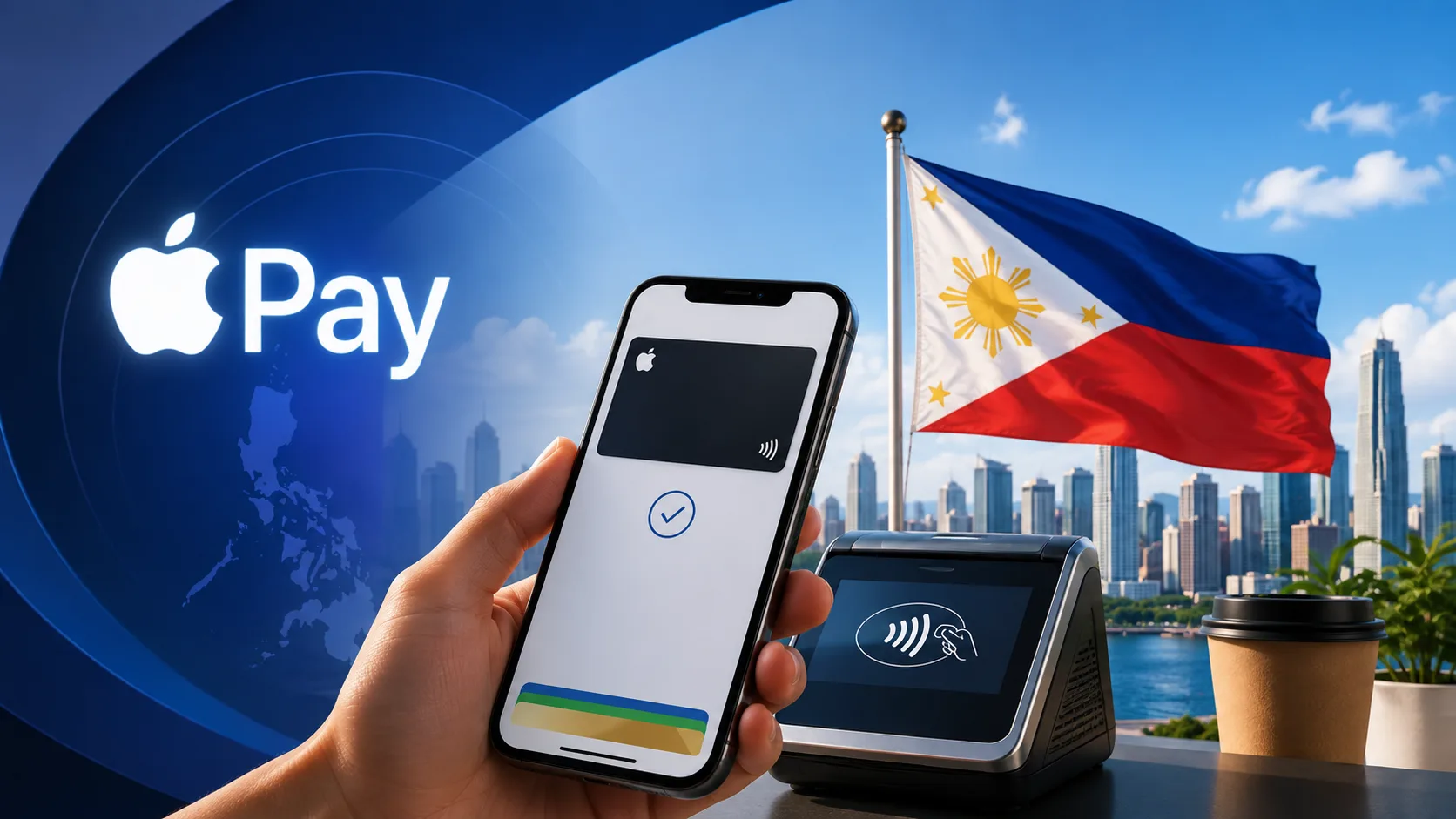
Philippines — Apple has officially brought its digital payment service, Apple Pay, to the Philippines, enabling users to make secure contactless transactions using their iPhone, Apple Watch, iPad, or Mac. The launch marks a major milestone in the country’s digital transition, offering local cardholders a faster, tap-to-pay alternative for in-store purchases, app checkouts, and online shopping.
A Tap-and-Go Experience for iPhone Users
The service transforms everyday spending into a friction-free routine. Instead of pulling out physical cards or counting cash, users can complete transactions by double-clicking the side button on their device, authenticating via Face ID or Touch ID, and holding it near any compatible contactless payment terminal.
Beyond physical retail counters, Apple Pay integrates directly into mobile applications and web browsers. Consumers can check out in seconds without having to manually re-enter credit card details, shipping addresses, or billing information each time, making it a streamlined digital wallet option for tech-savvy Filipinos.
Four Major Banks Lead the Rollout
At launch, Apple Pay supports eligible debit and credit cards issued by four financial institutions: Chinabank, GoTyme Bank, Metrobank, and UnionBank. Cardholders using these initial banking partners will continue to enjoy their standard rewards, cashback points, and cardholder perks on every transaction.
The payment option is already accepted across a wide network of national retail locations, including Ayala Malls, Power Mac Center, Beyond the Box, Rustan’s, Jollibee, and WalterMart, alongside popular e-commerce apps such as Shopee and foodpanda. Digital payment processors like Maya Business are also enabling support for over 5,000 online merchants, ensuring broad day-one accessibility.
Fortified Security and Privacy at the Core
For users concerned about digital safety, Apple Pay relies on hardware-level protection. Actual credit and debit card numbers are never stored on the physical device or on Apple's servers. Instead, an encrypted Device Account Number is assigned and safely stored in the device’s Secure Element, generating a unique dynamic security code for every individual purchase.
Additionally, Apple does not retain transaction histories that can be linked back to specific users, ensuring that purchasing habits remain private. Select participating banks also allow customers to apply for virtual cards directly through their mobile banking apps, letting them link and start spending immediately without waiting for a physical card to arrive.
A Cashless Future, One Tap at a Time
The arrival of Apple Pay expands Apple's fintech presence in the region as local consumers rapidly embrace a digital-first lifestyle. By bringing effortless mobile payments into everyday environments—from quick grocery runs to online food delivery—the service lowers friction for users stepping into a cashless routine. For Filipino device owners, paying for daily essentials just got remarkably simpler.