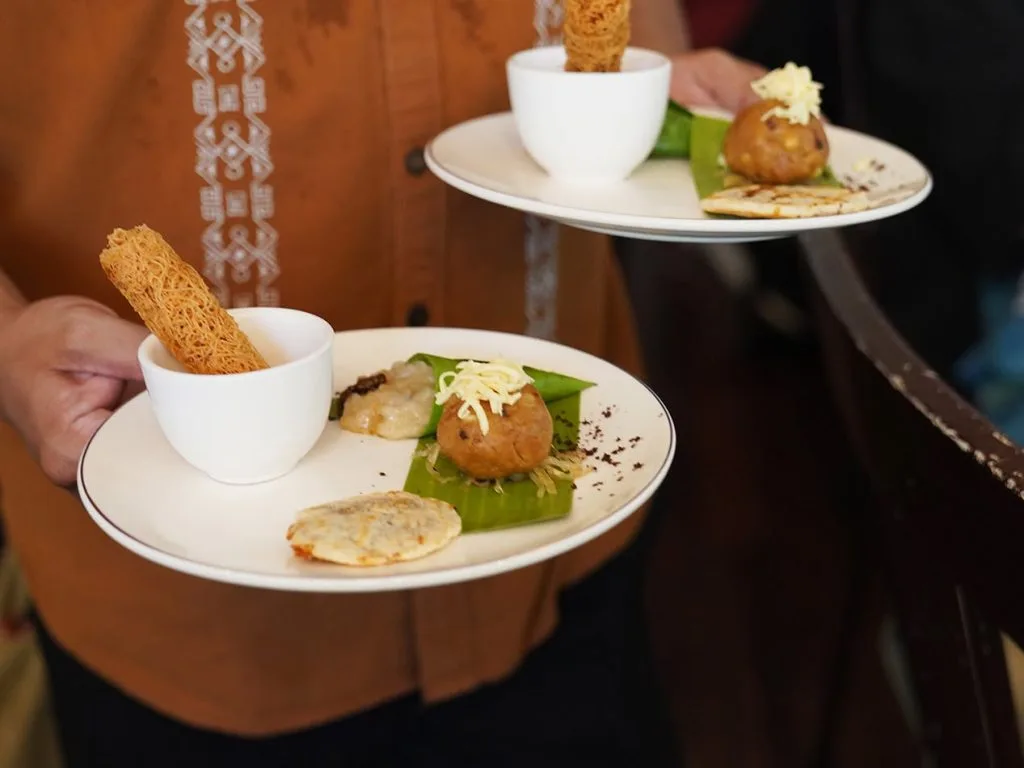
DAVAO — Davao City’s premium cacao has found a new stage at Cabel Restaurant, the Bib Gourmand-awarded Filipino dining destination. On July 7, 2026, the two launched a one‑of‑a‑kind heritage menu that transforms locally sourced chocolate into a culinary celebration of Mindanaoan identity.
A Culinary Partnership Born of Pride
Cabel, housed in the historic Casa Roces just across from Malacañang Palace, is co‑owned by Tausug chef Miggy Moreno. He has long championed the under‑represented flavors of Southern Mindanao. Cacao de Davao, led by COO Ethan Kyle Lim, operates on a bean‑to‑bar model, working directly with Davao’s cacao farmers to produce world‑class tableya and dark chocolate.
The collaboration was unveiled on World Chocolate Day, a deliberate nod to the global significance of Philippine cacao. Chef Moreno explained that the partnership is about reclaiming the narrative of Mindanaoan cuisine and proving that homegrown chocolate can stand proudly alongside the world’s finest. The timing with the Michelin recognition—Cabel earned its Bib Gourmand earlier this year—adds a layer of prestige to the initiative.
A Menu That Tells a Story
The limited‑edition lineup reimagines beloved Filipino dishes through the lens of Davao’s cacao. The Adobo con Cacao introduces melted tableya into the classic soy‑vinegar braise, adding a deep, earthy richness that balances the saltiness of the dish. The Piaya de Tsokolate transforms the traditional flatbread into a paper‑thin pastry filled with hinti, brown sugar, and Davao cacao.
Desserts and snacks receive an equally thoughtful treatment. Cacao Puto Maya and Nilupak infuse sticky rice and cassava with chocolate notes, while Lokot‑Lokot—a crispy Zamboanga delicacy—is paired with a daring durian chocolate combination. The experience extends to the bar, where cocktails named Datu, Mestiza, and Dayang‑Dayang incorporate cacao into every sip.
Bean‑to‑Bar Excellence from Davao
Cacao de Davao has built its reputation on quality and farmer empowerment. By controlling every step from fermentation to packaging, the company ensures that the cacao that arrives at Cabel’s kitchen retains its distinct origin character. The partnership serves as a living showcase of what the Davao region can offer the global culinary world.
The timing is significant for Davao’s broader tourism narrative. As the city continues to draw food travelers and investors, collaborations like this reinforce its status as the country’s cacao capital. Visitors who taste the collaboration may soon find themselves booking a trip to Davao to visit the farms and factories behind the chocolate.
A Taste That Bridges Islands
The Cabel and Cacao de Davao collaboration is more than a menu; it’s an invitation to explore Mindanao’s flavors without leaving Manila. It proves that Philippine cacao deserves a seat at the finest tables, and that heritage and innovation can coexist deliciously on a single plate.