TAGBILARAN CITY, Bohol — The humble coconut, long celebrated as the Tree of Life, holds a secret far beyond its water and meat. In Bohol, its dried husk—the bunót—is the irreplaceable heart of Asin Tibuok, a pre‑Hispanic salt‑making tradition that has survived centuries and is now savored by the world’s finest kitchens.
A Culinary Treasure Rooted in the Coconut
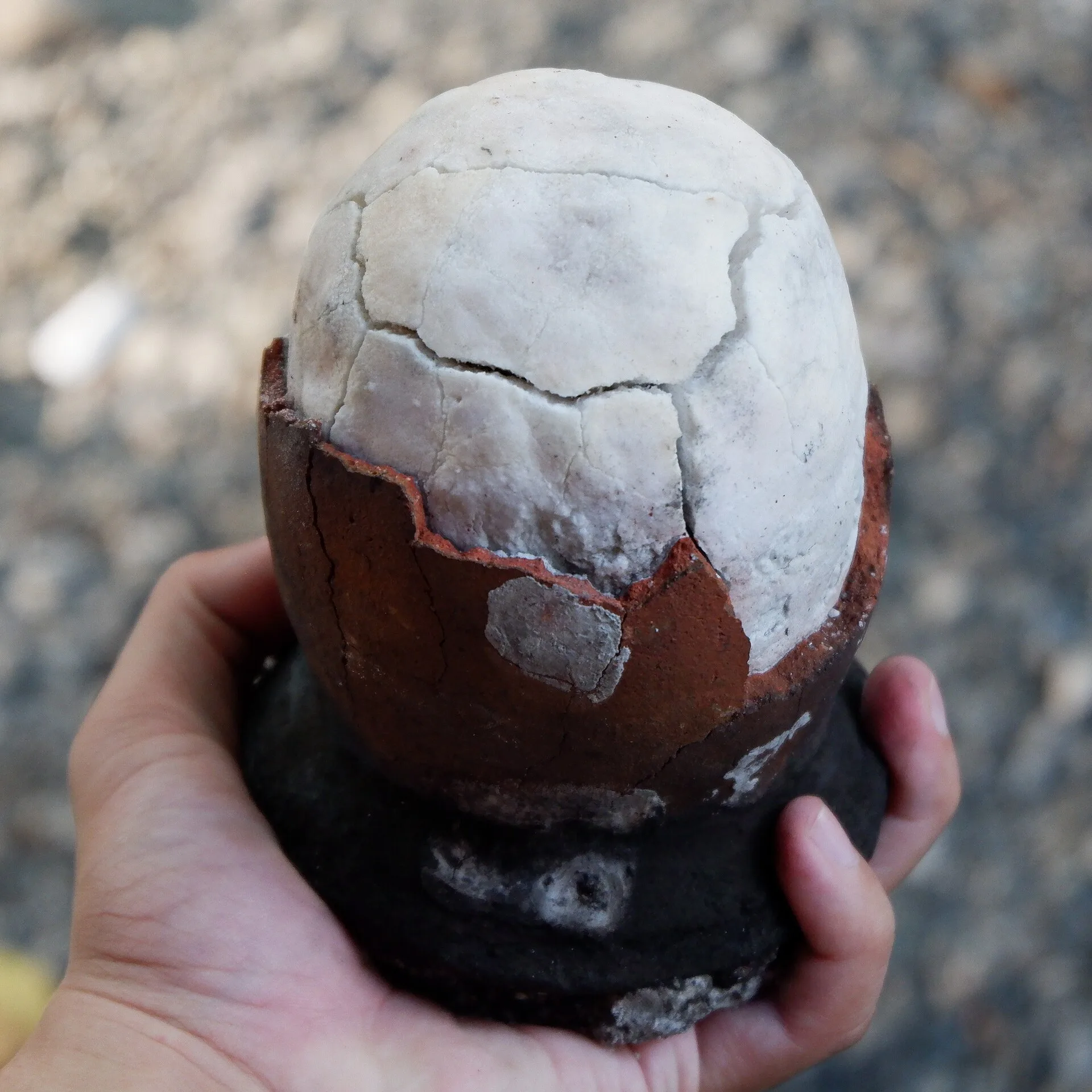
Asin Tibuok, literally “unbroken salt,” is not poured or pinched. It emerges as a solid, dome‑shaped orb weighing roughly a kilogram, its cracked clay shell revealing a smooth, smoky‑white interior. Diners grate it over grilled fish or briefly dip the entire orb into simmering stews, releasing a complex flavor that is at once intensely saline, subtly sweet, and imbued with the scent of smoldering coconut husks. It is a taste of Bohol’s coastal soil and fire.
The process begins with mature coconut husks, which are packed into mangrove‑lined pits and soaked in seawater for months. These saturated husks are then dried under the tropical sun before being carefully burned into a mineral‑rich ash called gasang. Seawater is filtered through this ash to create a concentrated brine, which is then poured into hand‑molded clay pots and boiled over open furnaces for eight continuous hours. The asindero must constantly replenish the brine; a single moment of dryness can shatter the pot and ruin the batch.
The Hands That Keep the Fires Burning
Only a handful of families in the coastal town of Alburquerque still practice this grueling craft. The Manongas family, led by 76‑year‑old Nestor Manongas, is among the last guardians of the tradition. The work is seasonal, confined to the dry months from December to May, and demands relentless attention. Each orb represents days of labor and generations of knowledge, yet the number of asinderos continues to shrink as younger generations hesitate to inherit the smoky, physically demanding work.
The craft faced near collapse from the 1995 ASIN Law, which mandated salt iodization and inadvertently penalized artisanal producers. Today, Asin Tibuok is legally preserved and sold strictly as a cultural product and gourmet seasoning, a status that has helped revive interest among chefs and food enthusiasts worldwide. Still, its survival depends on the health of Bohol’s aging coconut trees and the willingness of families to pass down the technique.
Global Acclaim and a Call for Sustainability
In a landmark victory, UNESCO inscribed the practice of making Asin Tibuok onto the List of Intangible Cultural Heritage in Need of Urgent Safeguarding. The designation has brought international funding and renewed pride, drawing culinary tourists to Alburquerque’s coastal workshops. The salt is also catalogued in the Slow Food Ark of Taste, a global directory of endangered heritage foods.
This Nutrition Month, the connection is unmistakable. Protecting the coconut tree protects a vital food source and the bunót that sustains an irreplaceable cultural craft. Every coconut planted is a promise that the fires under the clay pots will continue to burn, and that the taste of Bohol’s prehistoric salt will endure for generations.