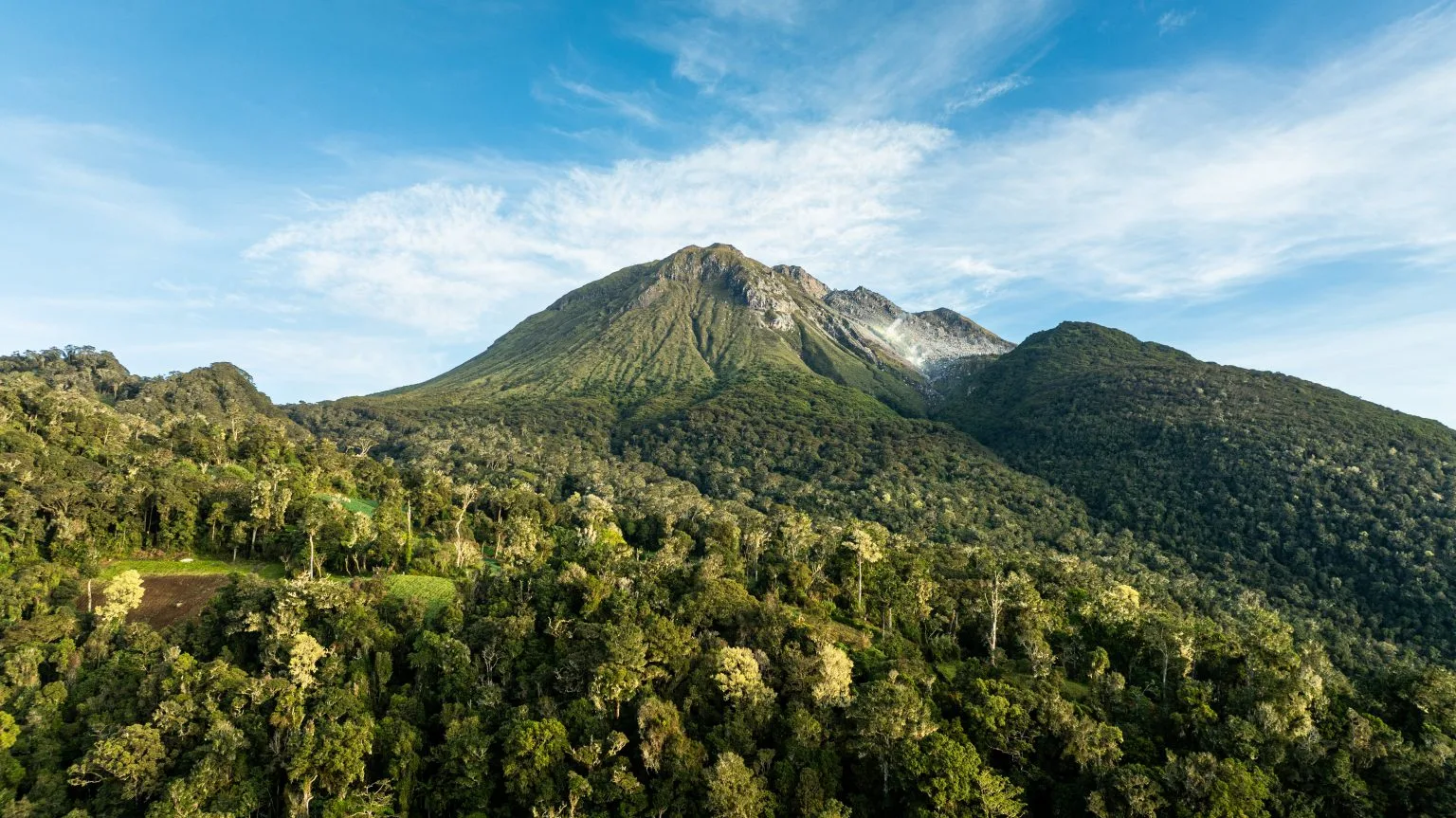
DAVAO CITY — Two international evaluators from UNESCO are conducting a five-day validation mission across the Mount Apo volcanic complex, assessing the country's bid to make the mountain a global geopark. If approved, Mount Apo would become the Philippines' second UNESCO Global Geopark after Bohol Island.
A Milestone in the Making
The evaluation team consists of Dr. Guy Martin Martini of France and Chenggong Zhang of China. They arrived in Davao City on August 16 to begin their on-site assessment. The mission covers conservation efforts, educational programs, and sustainable community-led development across the 640-square-kilometer protected area.
The formal application was jointly submitted by the Department of Environment and Natural Resources regional offices XI and XII. Initial preparations began in 2022, culminating in the official bid for international recognition. A final decision from UNESCO is expected by 2027 after the evaluation cycle concludes.
Geological Significance That Commands Attention
Mount Apo's geological importance is rooted in its rare double-verging arc-arc collisions of the Molucca Sea Plate and the Philippine Sea Plate. This unique tectonic formation gave rise to the country's highest peak and continues to shape the landscape. The volcanic complex formed 2.3 million years ago, creating a geological treasure of international significance.
Located within the Mount Apo Natural Park is a world-class geothermal production field. The Energy Development Corporation and Philippine National Oil Corporation operate this clean energy facility, demonstrating how geological resources can support sustainable development. This integration of natural heritage and renewable energy is a key highlight of the bid.
Biodiversity and Indigenous Culture
Mount Apo boasts a high level of species endemicity directly linked to its varied abiotic features. The mountain serves as a living laboratory for biodiversity studies, housing countless species found nowhere else on Earth. This ecological richness adds another layer to the mountain's international significance.
Deep cultural integration with three resident indigenous groups strengthens the bid. The Bagobo Tagabawa, Bagobo Klata, and Obu-Manobo communities have maintained their traditions and connection to the mountain for generations. Their stories and practices are woven into the fabric of Mount Apo's identity.
A Holistic Approach to Development
During the stakeholders' dialogue at Apo View Hotel, Dr. Martini emphasized that a geopark is more than a well-managed territory. He spoke of emulating the inner sense of the place and its holistic value. The evaluators aim to understand how geological heritage, cultural traditions, and community life connect.
Zhang echoed this sentiment, stating that the team is not there to judge but to help tell the beautiful story of Mount Apo to the world. He expressed interest in seeing how geo-heritage, clean geothermal energy, and community development successfully connect. The evaluators' approach reflects UNESCO's holistic philosophy.
Benefits for Local Communities
If Mount Apo earns UNESCO Global Geopark status, the impact will be profound. Sustainable tourism will receive a major boost, creating livelihood opportunities for indigenous and local communities. The designation will attract international and local partnerships for conservation and protection programs.
Cultural heritage preservation will also benefit. The recognition will strengthen efforts to protect the traditions and knowledge of indigenous communities. Mount Apo will serve as an outdoor classroom for geoscience, biodiversity, and cultural studies, educating future generations about the mountain's significance.
A Future Worth Pursuing
DENR-Region XI Regional Executive Director Lawyer Ma. Mercedes V. Dumagan affirmed that Mount Apo deserves a place among the world's most outstanding territories. She emphasized that conservation, education, and sustainable development can work hand in hand. The bid represents a shared vision for the mountain's future.
The evaluation team will visit indigenous cultural communities, local schools, eco-tourism programs like Lake Agco hot springs, and the geothermal production field. Each stop adds depth to their understanding of Mount Apo's story. The next few years will determine whether this iconic Philippine mountain joins the global geopark family.