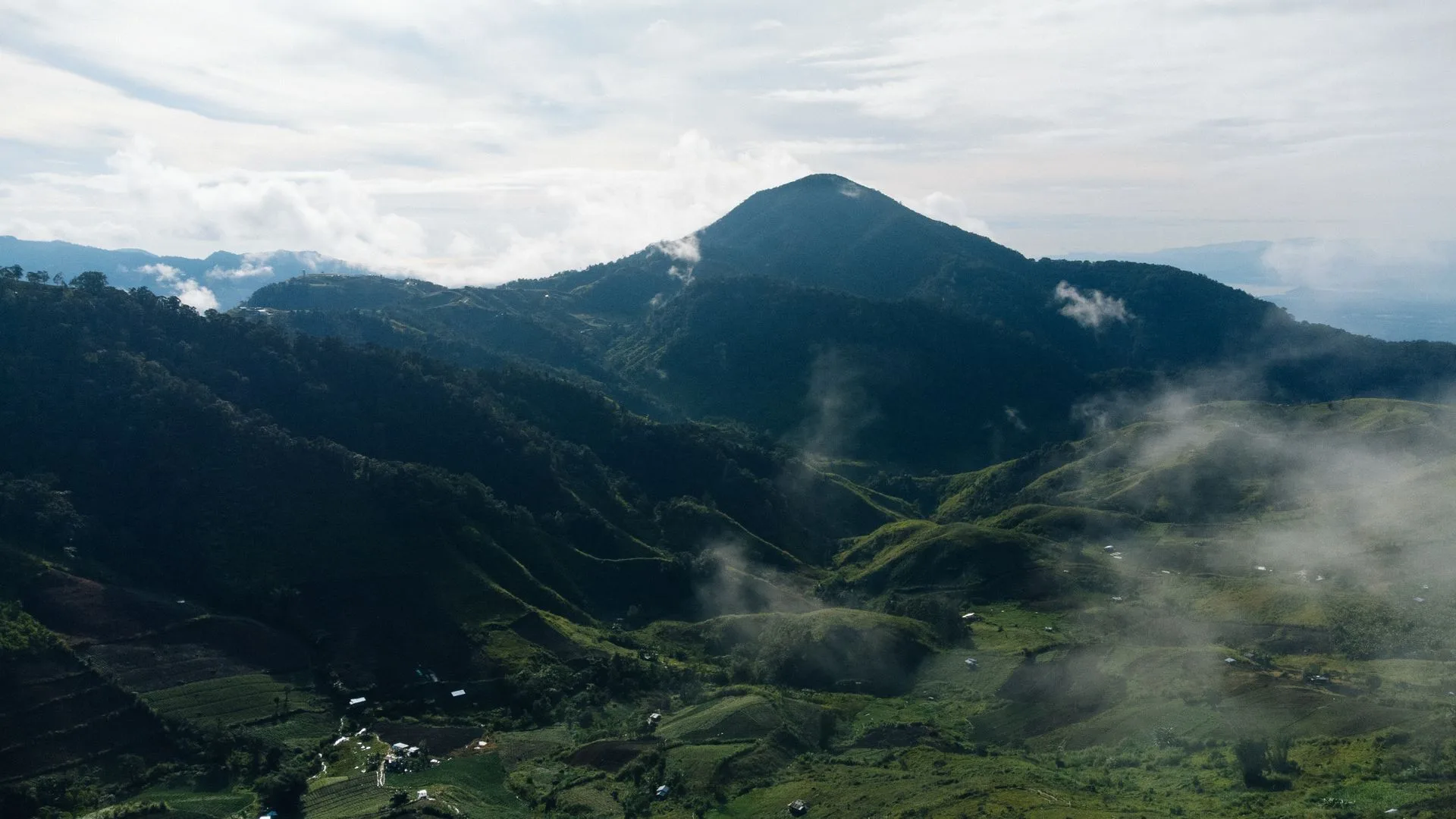
DAVAO CITY — The bid to declare Mount Apo a UNESCO Global Geopark has entered a crucial phase as international evaluators conduct an in-depth validation mission across the volcanic complex. The five-day assessment brings together indigenous communities, government agencies, and local stakeholders, all united in telling the mountain's remarkable story to the world.
A Journey Beyond Geological Wonders
Dr. Guy Martin Martini of France and Chenggong Zhang of China arrived on August 16, 2026, to begin their assessment. Their mission extends beyond checking geological boxes; it is about understanding the deep connections between the land, its people, and their traditions. The evaluators have stressed they are here to help and learn, not to judge.
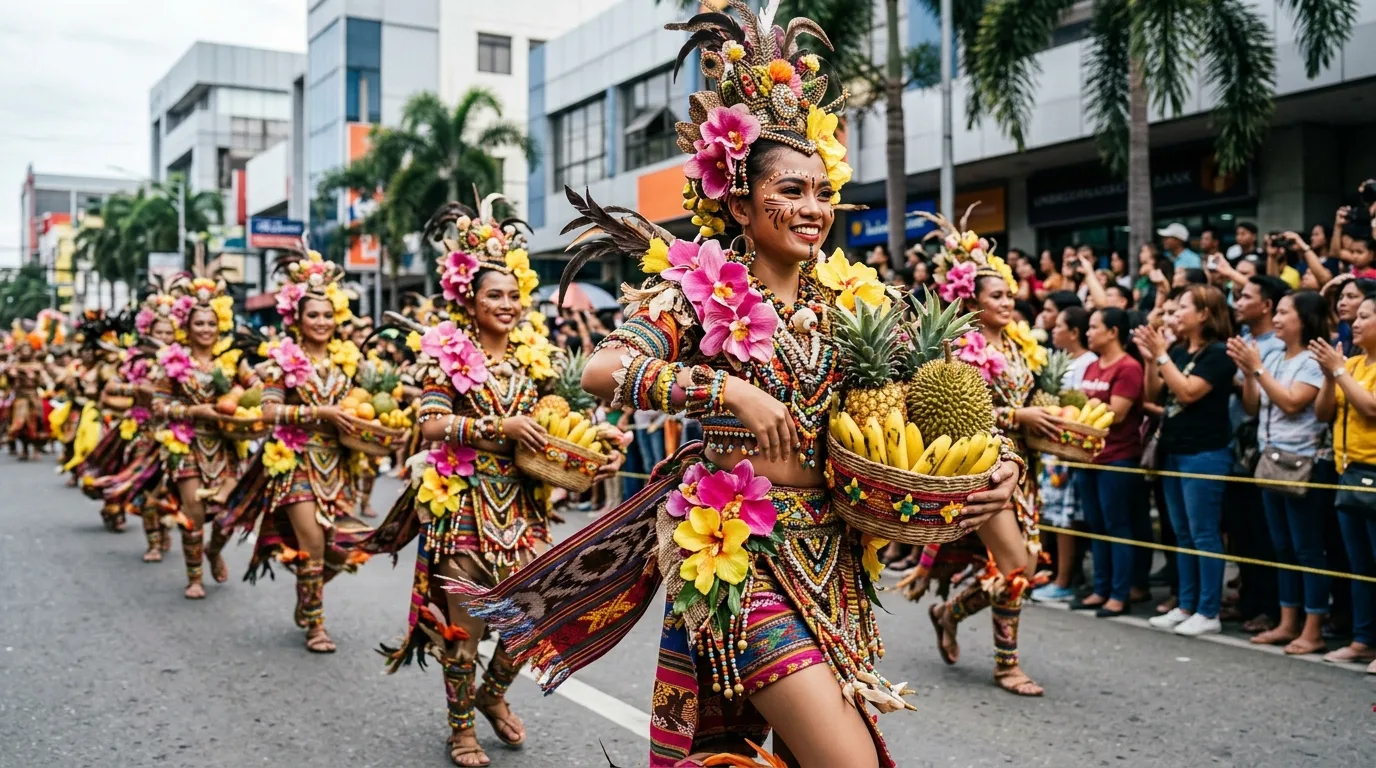
The journey took them to the Bagobo Tagabawa Cultural Village in Tibolo, Sta. Cruz, Davao del Sur, where indigenous rituals and cultural presentations were showcased. Community testimonials highlighted the vital role of local participation in protecting Mount Apo. This immersive experience allowed the evaluators to witness how culture and conservation intertwine.
A Holistic Vision for Sustainable Development
Dr. Martini described the geopark as much more than a well-managed territory. He spoke of emulating the inner sense of the place and its holistic significance. The goal is to develop a new policy of sustainable development that makes the local population proud to be there.
Zhang echoed this sentiment, emphasizing their role is to help tell the beautiful story of Mount Apo to the whole world. The evaluators look forward to visiting geosites and meeting local guides, rangers, and managers. Their approach reflects UNESCO's philosophy of integrating geological heritage with biological and cultural treasures.
A Collective Effort
The Department of Environment and Natural Resources (DENR) leads the bid, with strong support from the Department of Tourism, local government units, and partner groups. DENR Assistant Secretary for Field Operations in Mindanao Martin Cleofe emphasized that geological heritage cannot be separated from biological heritage.
Indigenous communities with ancestral ties to the mountain—the Bagobo Klata, Bagobo Tagabawa, and Obu Manuvu—are actively participating. Cleofe noted that they are ensuring stakeholders internalize their connection with the geopark. This collective effort demonstrates a unified commitment to conservation and sustainable development.
A Living Classroom
If approved, Mount Apo would become the second UNESCO Global Geopark in the Philippines, following Bohol Island. The designation would transform the region into an internationally recognized hub for sustainable tourism. It would also serve as an outdoor classroom for geology, ecology, and cultural studies.
The mountain's 2.3-million-year-old volcanic complex offers a unique learning environment. Students, scientists, and researchers would benefit from access to a world-class geological site. This educational impact extends beyond borders, positioning Davao as a center for scientific discovery.
Empowering Communities
The economic and social benefits are far-reaching. Sustainable geotourism would attract eco-conscious travelers, boosting income for local guides, transport operators, and homestays. Indigenous artisans, including Inabal weavers, would gain platforms to showcase their crafts on their own terms.
Cultural heritage would be protected and elevated. The recognition strengthens the ancestral domains of indigenous groups. It empowers communities to preserve their traditions while participating in the modern economy.