ILOILO CITY — The province of Iloilo took center stage during the recently concluded 1st TELAkademi, a landmark event championing the future of Philippine textiles. Local academic partners and weaver communities actively participated in the two-day summit, proving that building a sustainable industry requires a unified effort.
The gathering highlighted the vital importance of collaboration across various sectors. From academic institutions to grassroots weavers, the summit served as a powerful catalyst for innovation, ensuring that the country's rich textile heritage continues to thrive in a modern economy.
Showcasing Homegrown Textile Talent
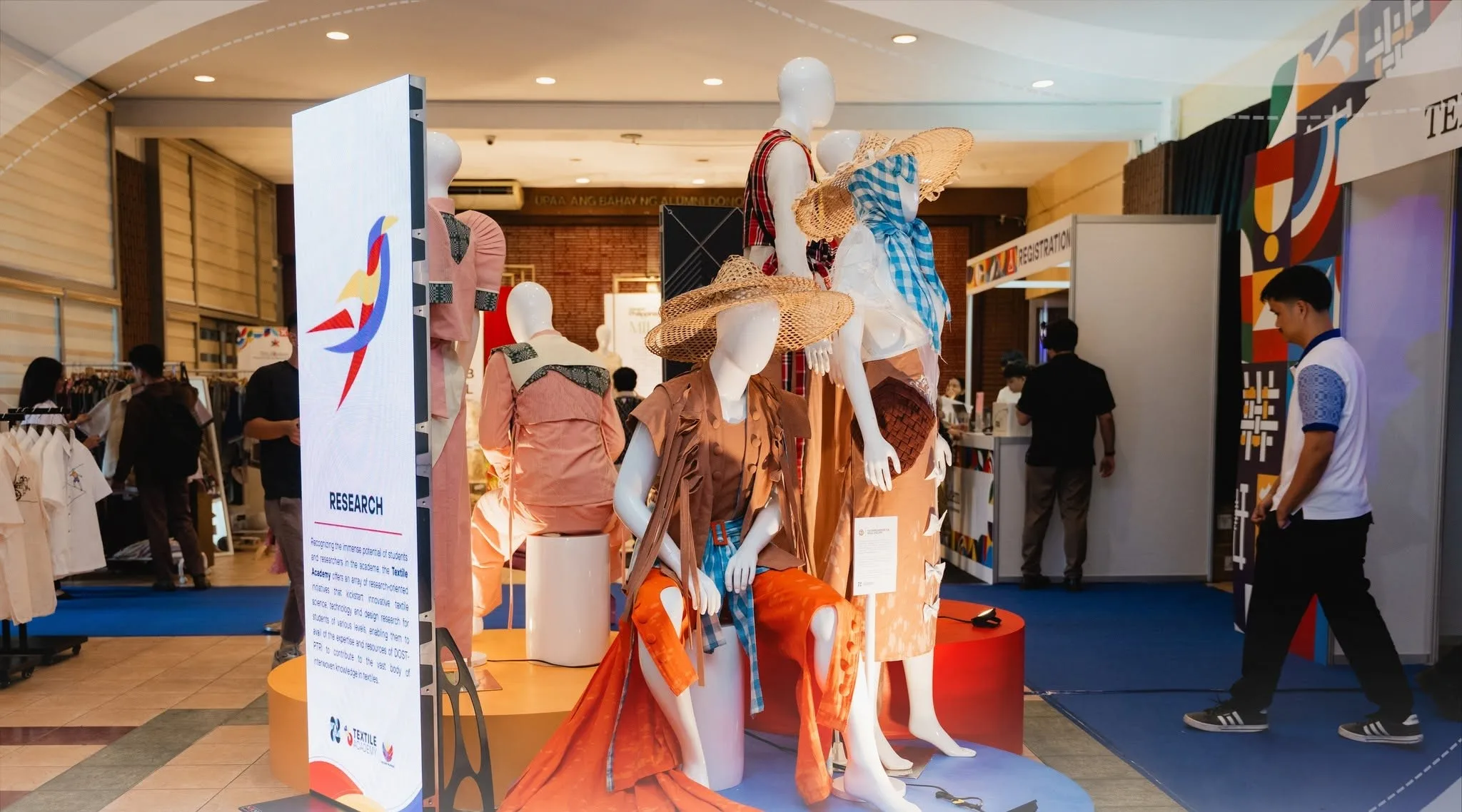
The Textile Innovation Expo transformed Ang Bahay ng Alumni into a bustling hub of ideas and collaboration. Universities, industry leaders, and student organizations set up interactive booths to present their latest research, commercial solutions, and career opportunities.
Notably, the Iloilo Science and Technology University proudly represented the region's academic sector, joining other state universities in displaying cutting-edge innovations. Visitors explored the booths, engaged in meaningful dialogues, and discovered how institutional partnerships are effectively driving the modernization of local fabrics.
This exchange allowed students and professionals to connect. Bridging research and application, the expo laid the groundwork for future advancements in the domestic textile sector, ensuring that academic breakthroughs translate into practical, market-ready products.
Oton Weavers Partner with Student Designers
A highlight of the event was the STITCH-OFF competition, which paired student designers with local weaving communities. The entry titled "Mercado" beautifully captured the vibrant stories of market vendors, collaborating directly with the SALNGAN Livelihood Multipurpose Cooperative of Oton, Iloilo.
This unique collaboration allowed the Oton weavers to showcase their traditional craftsmanship on a national platform. By integrating their heritage textiles into contemporary designs, the project demonstrated how grassroots enterprises can achieve economic growth while preserving their rich cultural identity.
The competition emphasized honoring local narratives. Through creative partnerships, weaving communities shared their unique stories with a broader audience, creating a deeper appreciation for the artistry behind every woven thread.
Driving Sustainable Circularity
The Congress Closing Programme brought crucial discussions on environmental responsibility to the forefront. Experts from abroad shared valuable insights on sustainable materials, decarbonization, and circularity, challenging the industry to adopt greener practices in textile manufacturing.
These dialogues emphasized that the future of local textiles relies heavily on eco-friendly innovation. By implementing these sustainable frameworks, local producers can minimize their ecological footprint while meeting the increasing global demand for ethically made and environmentally conscious fabrics.
The push for circularity encourages manufacturers to rethink waste management and material sourcing. This forward-thinking approach not only protects natural resources but also positions Philippine textiles as a highly competitive and responsible player in the international market.
Fusing Tradition with Modern Fashion
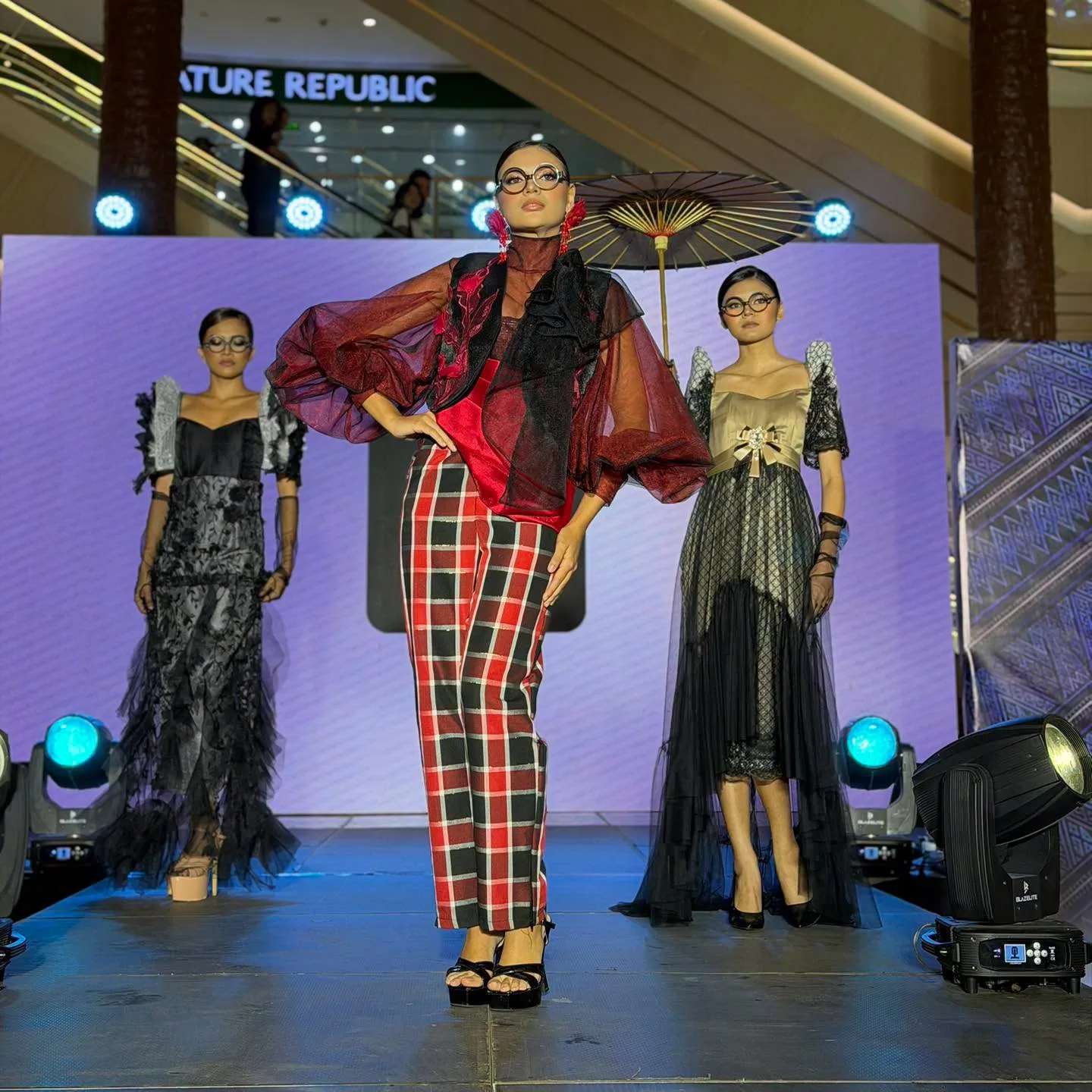
The event culminated in a stunning wearable art showcase featuring creations from various designers. Brands like Viña Romero and BAGASÁO presented innovative garments, utilizing piña-cotton blends and silk to create elegant tops, asymmetrical skirts, and tailored trousers.
Other notable pieces, including the flowing 12-circle dress by Idyllic Summers, highlighted the immense versatility of indigenous materials. These visionary designs prove that traditional Philippine fabrics can seamlessly transition into high-end, modern apparel suitable for contemporary global markets.
The spectacular runway presentations celebrated the boundless creativity of Filipino designers. By reimagining classic textiles into chic, wearable pieces, they successfully demonstrated that local heritage can inspire cutting-edge fashion trends for the modern consumer.