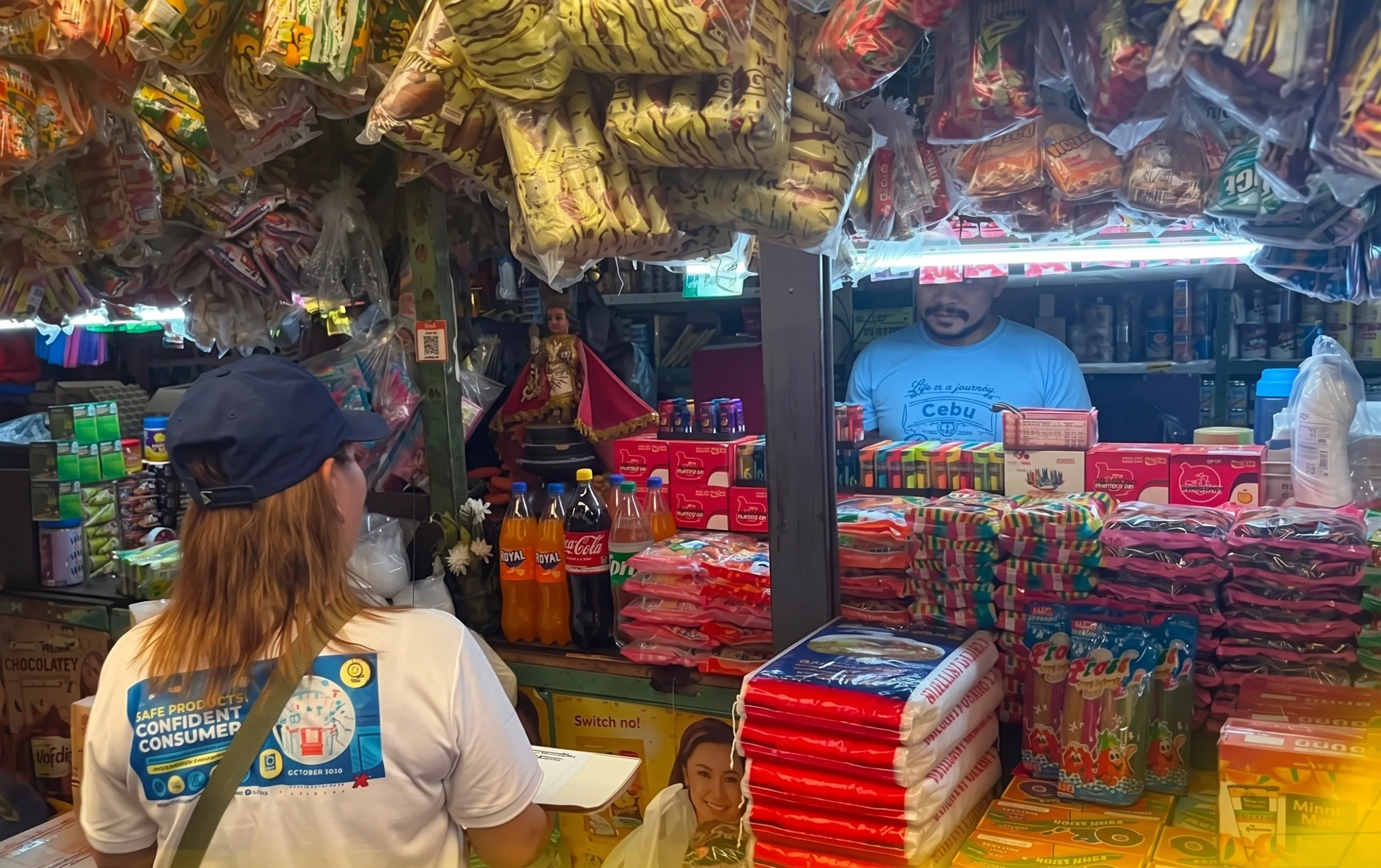
BISLIG CITY — In the bustling stalls of Mangagoy Public Market, the integrity of every transaction hinges on a simple but vital tool: the weighing scale. As part of Consumer Welfare Month 2026, a joint monitoring operation was conducted by the Department of Trade and Industry (DTI), the City Economic Enterprise and Development Office (CEEDO), and Consumer Connection (CONNET) to verify that all weighing scales used by vendors and commercial establishments are officially registered, sealed, and accurate. The initiative goes beyond routine inspection, it is a deliberate investment in market integrity, consumer trust, and the long-term viability of local commerce.
Why Fair Weights Are Good for Business
In any marketplace, trust is the currency that sustains repeat transactions. When consumers are confident that they are getting the exact quantity of goods they pay for, they are more likely to return to the same vendors, recommend them to others, and spend more freely within the local economy. Conversely, inaccurate scales, whether intentional or due to lack of calibration—erode that trust and can drive customers away from public markets altogether. The monitoring operation addresses this by ensuring that all weighing instruments comply with the standards set under the Consumer Act of the Philippines (Republic Act No. 7394). Vendors who adhere to these standards are not just avoiding penalties; they are building a reputation for fairness that translates into customer loyalty and sustainable earnings.
A Collaborative Model for Market Governance
The success of the operation lies in the collaboration among DTI, CEEDO, and CONNET. Each agency brings a distinct role to the table: DTI provides regulatory oversight and technical expertise, CEEDO manages the operations of the public market, and CONNET mobilizes consumer advocates to ensure that the voice of the buying public is heard. Together, they create a system of checks and balances that protects both consumers and legitimate businesses. This multi-stakeholder approach is a model for how local governments can enforce fair trade practices without stifling the entrepreneurial spirit of small vendors. It also sends a clear message that consumer protection is not an abstract principle but a daily practice enforced on the ground.
The Economic Ripple Effect of Fair Trade
Beyond individual transactions, fair trade practices contribute to the overall economic health of Bislig City. When consumers trust the marketplace, they are more likely to shop locally rather than seeking alternatives in larger commercial centers. This keeps money circulating within the community, supports local vendors and their families, and strengthens the city's economic resilience. The monitoring operation, while focused on weighing scales, is part of a broader strategy to create a commercial environment where fairness is the norm and consumers feel empowered to exercise their rights. As Consumer Welfare Month 2026 continues, the city's commitment to market integrity serves as a foundation for a more vibrant and trustworthy local economy.