BUTUAN CITY — The Amalla name has long carried weight in the cultural circles of the Caraga Region, and it now sits above a doorway on San Francisco Street in Barangay Diego Silang. Tinampuso Arts Gallery, operated by the Amalla siblings, occupies a space across the senior high school exit gate of Agusan National High School, placing it within the daily route of students, commuters, and residents moving through the city's central corridors. The gallery does not present itself as a formal museum or a commercial souvenir shop. It is something closer to a working storefront for a family's decades-long engagement with Agusan Manobo art and advocacy.
Where Craft Meets Commerce
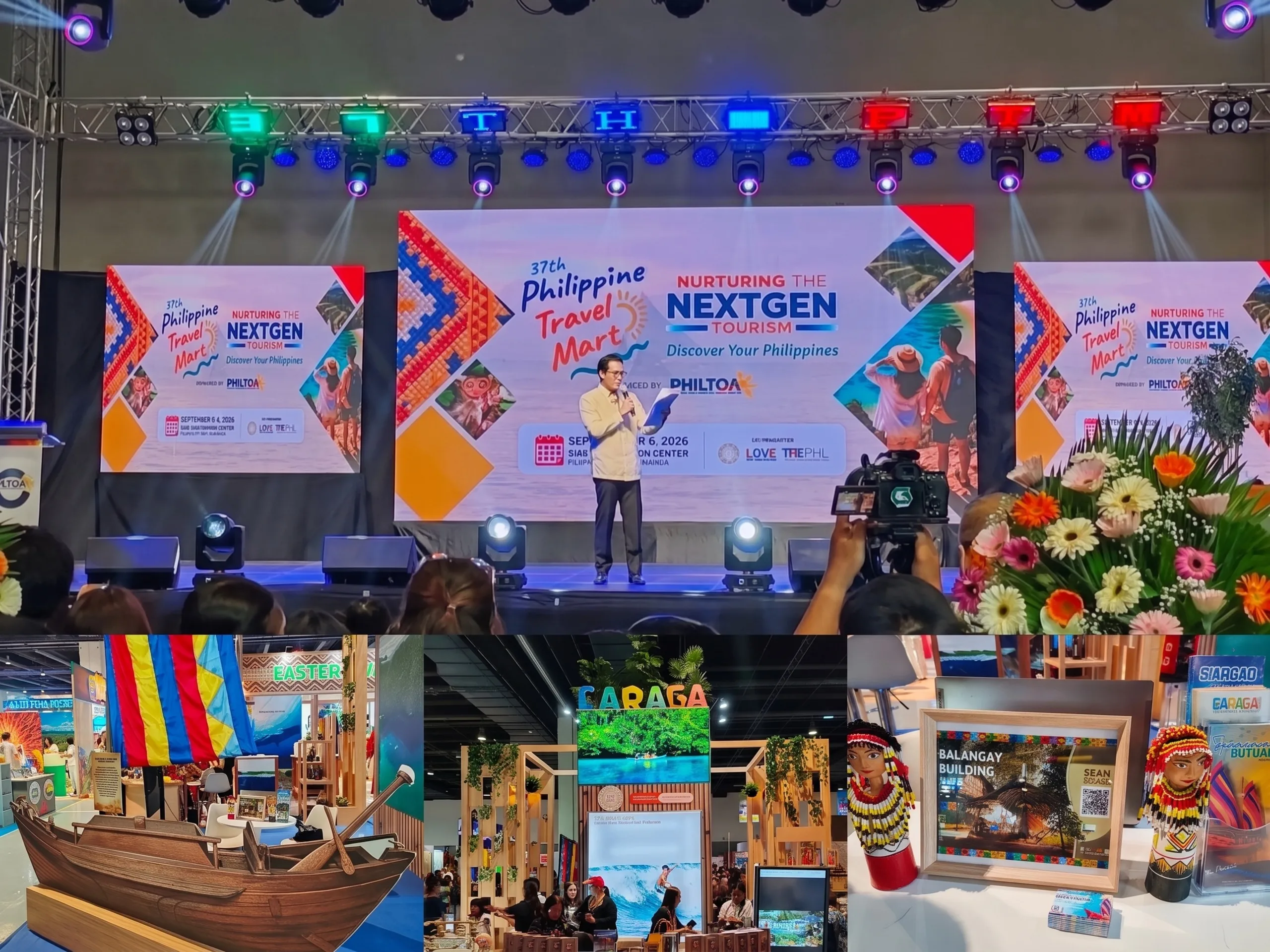
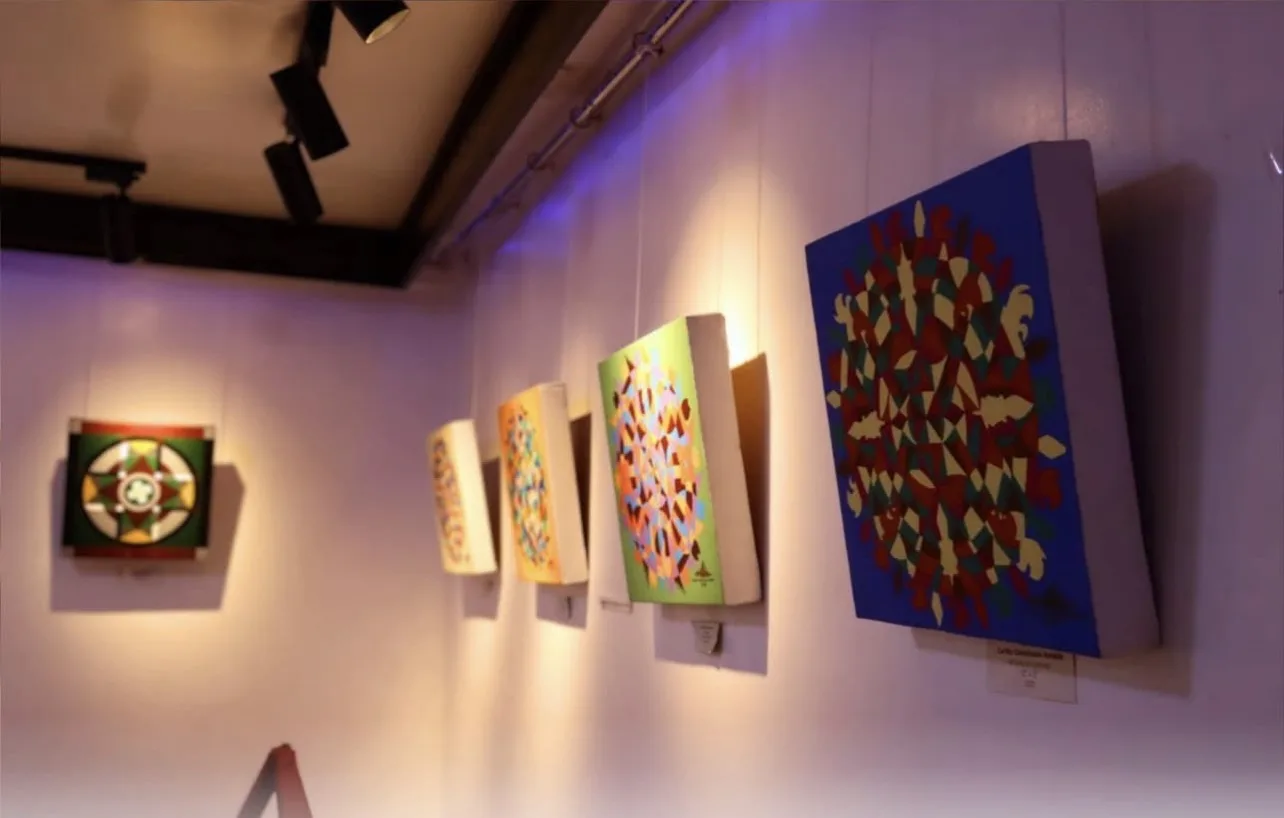
The collection moves between fine art and functional craft. Visitors can browse artworks produced by local artists, alongside beaded accessories and souvenirs that reflect Butuan's material culture. Suyam, an Agusan Manobo embroidery tradition characterized by geometric designs, occupies a central place in the inventory. The patterns carry specific meanings tied to community and to the natural world, the tinampuso motif symbolizes the community, while the kamagsi motif represents flowers and the women of the tribe. Placing Suyam in a retail format gives the embroidery a commercial outlet and a public platform, connecting the work of Manobo weavers to a market beyond their immediate communities. Smaller souvenir items round out the selection for visitors who want to bring something home without committing to a larger artwork.
A Family's Advocacy, Made Permanent
The gallery's ownership connects it directly to the region's cultural advocacy. Carlito Camahalan Amalla, a member of the Agusan Manobo tribe, is the founder of the Agusan Artists Association in Butuan City and the Balangay Artists Association in Manila, and he has spent years exhibiting, performing, and researching Manobo cultural forms. His work has traveled to Berlin, Brussels, Morocco, Wales, London, and New York, and he has served as a cultural ambassador for the region. The gallery extends that work into a physical, everyday space, giving the family's advocacy a permanent address rather than a temporary exhibition schedule. For visitors, that means the objects on display are not disconnected from the people who made them; they are part of a continuing practice.